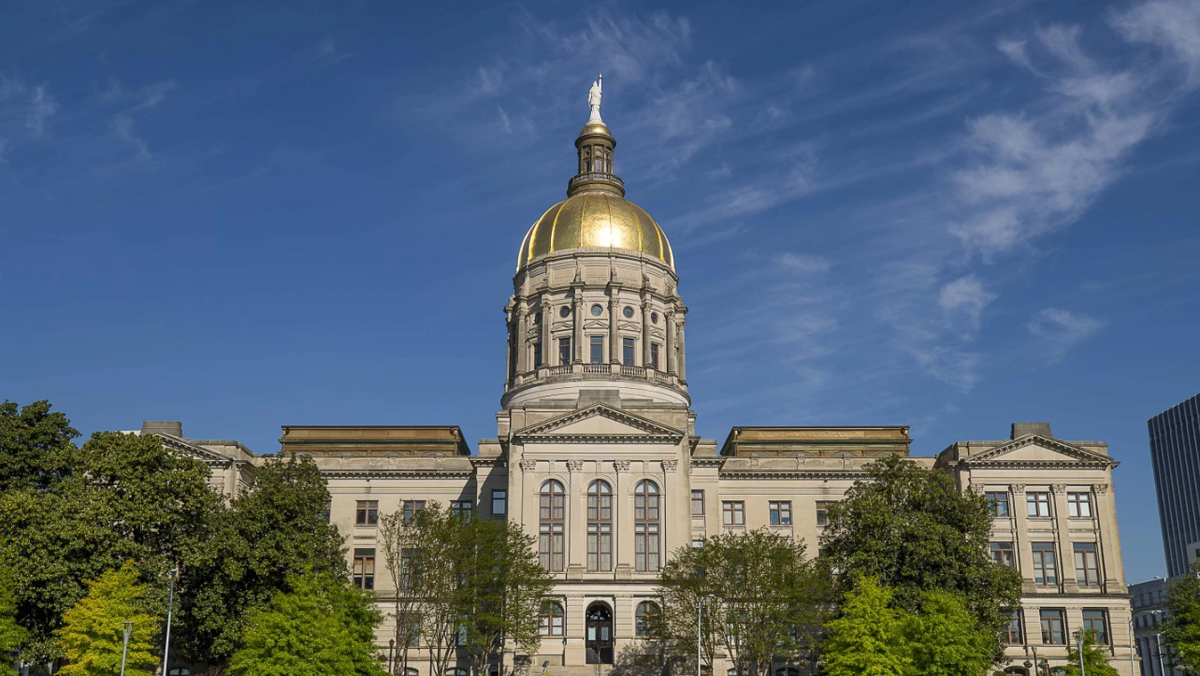
Democrats seize Georgia House control
Democrats have taken control of the Georgia House of Representatives, ending more than two decades of Republican dominance in the lower chamber.
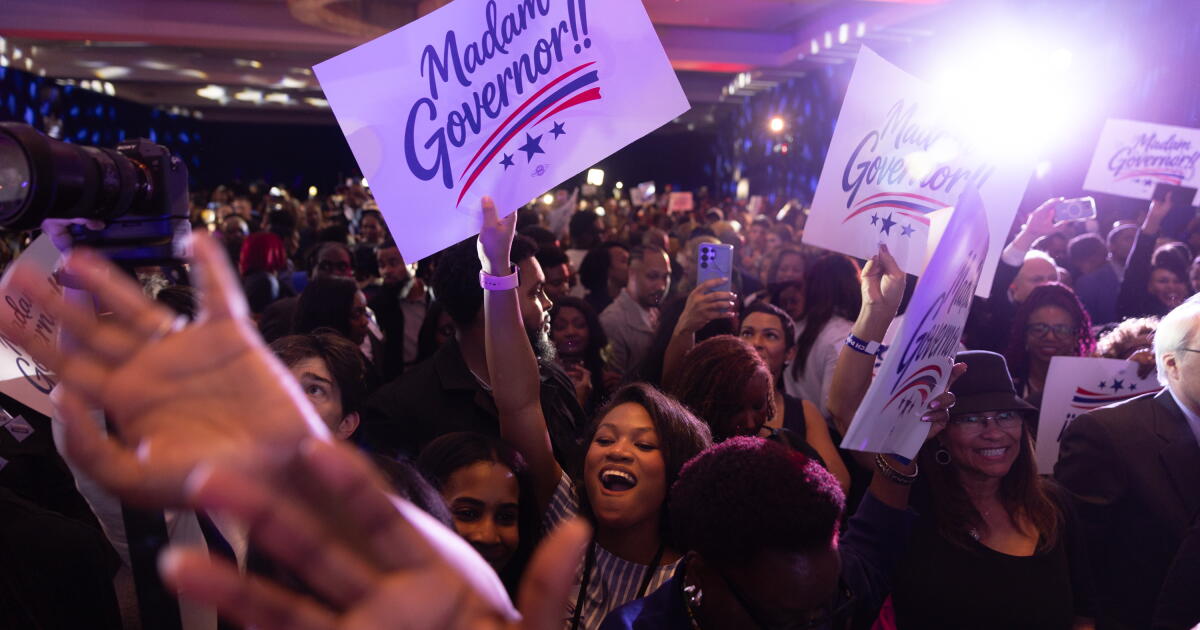
This shift follows the party’s recent victory in the governor’s race, marking the first time Democrats will hold both offices simultaneously in the state in over 20 years, according to reporting from the Associated Press.
The outcome changes Georgia's political structure. Republicans have maintained control of the House since 2005 and held both the Senate and the governor’s office since 2003. This election breaks that long-standing grip on state power.
The scale of the Democratic gains is significant. As the Associated Press reported on Monday, the party’s success in Georgia is part of a broader national trend that has seen them take control of at least 12 new legislative chambers across the United States. This surge is the largest single-election gain for either party since 2010, when Republicans captured 20 chambers during the Great Recession and the rise of the Tea Party movement.
Shifting power across the country
The implications of these legislative flips extend far beyond Georgia. When a single party holds a trifecta—control of the governorship and both legislative chambers—they gain power over the state's direction. This control directly influences tax legislation, the regulation of data center development, and Medicaid eligibility requirements.
State-level power is changing rapidly. While Republicans currently hold 26 governorships compared to 24 for Democrats, those numbers are expected to shift. Democrats are projected to hold at least 28 governorships next year, though the outcome in Kansas remains uncalled. Democrats have also gained control of state Senates in Arizona, New Hampshire, Pennsylvania, and Wisconsin, bringing their total Senate count to 24.
The following table outlines the current and projected shifts in legislative control reported by the Associated Press and US News:
| Metric | Current Status | Post-Election Projection |
|---|---|---|
| Democratic Governorholds | 24 | At least 28 |
| Democratic State Senates | 20 | 24 |
| Democratic Lower Chambers | 19 | At least 27 |
In Georgia specifically, the House race was exceptionally tight. As of Monday, Democrats had secured 91 seats while Republicans held 86. Three races remained uncalled, including one currently under investigation by the state’s secretary of state regarding the late upload of a memory card containing nearly 400 votes. Despite the House flip, Republicans maintained their control of the Georgia Senate.
Uncertainty in the South and Alaska
While much of the news focuses on Democratic momentum, several key races remain too close to call, leaving the political map in several states in flux. In North Carolina, Democrats have secured the House and the governor’s office, held by Josh Stein.
However, the state Senate remains undecided. If Republicans hold the Senate, they will maintain a 26-24 majority; a Democratic win would result in a 24-24 tie, potentially giving Democratic Lt. Gov. Rachel Hunt the tiebreaking vote.
The situation in Alaska presents a different kind of complexity. Both legislative chambers there are currently managed by multiparty coalitions. Because several races have not yet been called, the composition of these bodies for 2027 remains unclear. The Associated Press also noted that the gubernatorial race in Alaska between Democrat Jonathan Kreiss-Tomkins and Republican Bernadette Wilson has not been decided.
The political divide remains sharp. While Democrats celebrate these gains as a mandate for policy changes, opponents argue that split governments—such as the one now facing Georgia with a Democratic House and a Republican Senate—will lead to legislative gridlock. This tension often forces intense negotiations on the very issues that impact daily life, from healthcare access to economic development.
As officials prepare to be sworn in through late 2026 and early 2027, the new balance of power will begin to reshape the legislative priorities of several key states, particularly in the Sun Belt and the Pacific Northwest.
- Temporary LED Lights Installed on Nicholson Drive Near LSU
- Louisville Men’s Basketball Rises to No. 10 in AP Top 25 Poll
- Georgia Tech Fires Four Coaches and Promotes DeAndre Hopkins Amid 2-7 Start (world-today-news.com)
- Jemima Goldsmith Accuses Russell Brand of Violence, Coercive Control and Abuse (archyde.com)
Temporary LED Lights Installed on Nicholson Drive Near LSU
Temporary LED lights are now illuminating a stretch of Nicholson Drive near LSU to improve visibility for drivers...

Louisville Men’s Basketball Rises to No. 10 in AP Top 25 Poll
The Louisville men's basketball team climbed to No. 10 in the first regular-season Associated Press Top 25 poll...

Wichita State Volleyball Splits Weekend with Sweep of North Texas and Loss to UTSA
Wichita State volleyball secured a decisive sweep against North Texas on Friday night before falling to UTSA on...

Chicago Voters Support Measure for Permanent Festival Space
Chicago voters back permanent festival grounds “I really wasn’t sure how that was going to come out, to...