
Democrats won control of both the US Senate and the House of Representatives on Tuesday in a midterm election that delivered the largest rebuke of a sitting president’s party in decades, giving the opposition the power to block legislation, launch investigations, and force a lame-duck Trump to negotiate from weakness.
The scale of the victory was clear early in the vote count, and even Donald Trump conceded its legitimacy, The Irish Times reported: blaming Republican candidates — including several he had personally endorsed — the president said he would accept the outcome and work with the new majority. Yet the same source notes that Trump keeps the levers that matter most. National security and foreign affairs remain his alone, and his two most consequential moves of the past two years — the war against Iran and the Liberation Day tariffs — were taken without Congress at all.
Trump Accepts the Result, but Keeps the Veto
At his first post-election appearance, Trump spent nearly an hour showing off his under-construction White House ballroom and turned only briefly to the returns. “For me it’s relaxing,” he told reporters, according to RTE.ie. Pressed on the new Democratic majority, he added:
“I’ll get along probably with the Democrats, unless they want to be destructive, but I have the power of the veto.”
Associated Press is calling the North Carolina US Senate race for Democrat Roy Cooper over Republican Michael Whatley. https://t.co/sJEnuNtgjc #ncpol
RTE.ie reports Democrats flipped Senate seats in deeply Republican states to take a majority of at least 54 to 44, and gained at least 30 House seats — the first time Trump has faced a Democratic Congress in both chambers during either of his presidencies. In the interim, Republicans still hold the reins in Washington and face at least one must-pass bill — government funding past December — that they could load with conservative priorities during the lame-duck session, RTE.ie notes.
Democrats End Long-Term Losses in Key States
The geographic spread of the Democratic wins is what has strategists redrawing the 2028 map. In Texas, the biggest Republican-led state before Tuesday, Democrats ended a decades-long losing streak by winning their first Senate seat there since 1988 and ousting three-term Governor Greg Abbott, RTE.ie reported. Kansas elected its first Democratic senator since the Great Depression, and in South Carolina — a state Trump carried by nearly 18 points in 2024 — voters turned aside his hand-picked Senate candidate. The Irish Times adds that routs in strongholds like Texas and South Carolina are reshaping the electoral map ahead of the 2028 presidential contest, while Democratic governors elected in battleground states Georgia and Ohio will help ensure the next election runs by the rules.
Tonight, the American people sent a clear message — they want a politics that brings people together rather than divides them, and leaders who offer concrete solutions to the challenges they face. These results were only possible because outstanding candidates stepped forward in…
RTE.ie also reported a slate of historic firsts on election night: Abdul El-Sayed, a Democrat from the party’s rising left wing, captured Michigan’s open Senate seat to become the first Muslim elected to the chamber; Keisha Lance Bottoms’ victory in Georgia made her the first Black woman elected governor in US history; and Deb Haaland became New Mexico’s first Native American woman governor.
What Jeffries’ Majority Plans to Do With Its Power
Hakeem Jeffries is poised to become House majority leader, The Guardian reports, and he has said the incoming majority will focus on “affordability and accountability.” The oversight machinery is already being aimed at the Trump family: Representative Robert Garcia, the top Democrat on the House oversight committee, has ranked Trump family corruption first on his list, while Representative Jamie Raskin has requested information on the business dealings of Jared Kushner and Donald Trump Jr., The Guardian reports. Representative Jason Crow of Colorado, who sits on the armed services and intelligence committees, says he will start with the Pentagon over reports of defense money steered toward companies linked to the Trump family.
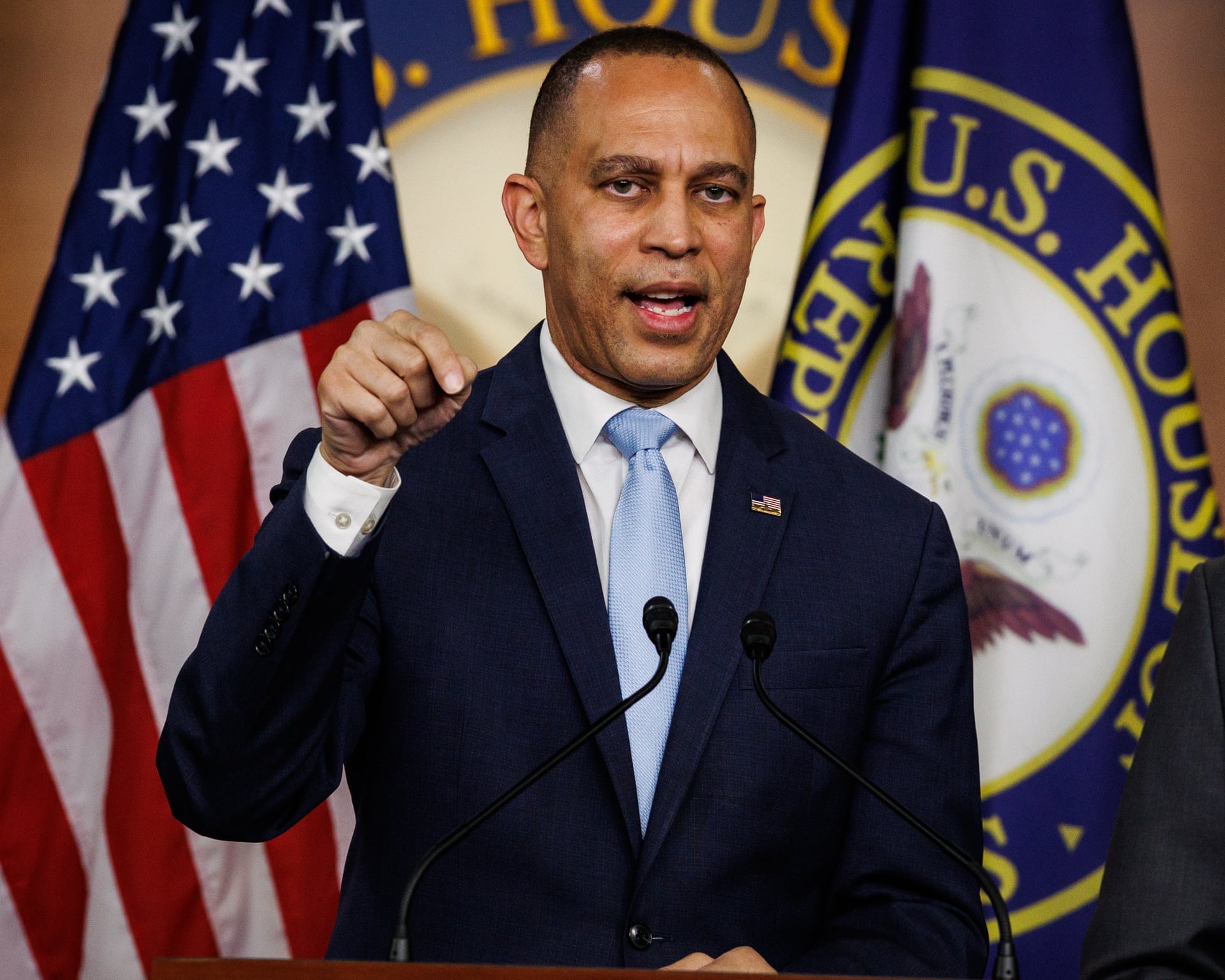
On impeachment, Jeffries has ruled nothing out, The Guardian notes, while Republican leader Steve Scalise predicts an attempt on “Day 1.” Democrats have done this before: in 2018 they flipped the House in a blue wave, launched dozens of inquiries into Trump’s businesses and his handling of the Russia investigation, and impeached him just over a year later on party-line votes — only to see him acquitted in the Republican Senate, The Guardian recounts. He was impeached and acquitted a second time in 2021 for inciting the January 6 Capitol attack.
The Kitchen-Table Issues That Decided It
The Irish Times frames Tuesday as a referendum on prices, not culture. The war in Iran and the Liberation Day tariffs drove up the cost of food and fuel, and the successful Democratic candidates — a coalition ranging from self-described socialists to Christian pastors and rural gun-rights champions — all campaigned on the cost of living and economic fairness. Republican billionaires spent hundreds of millions on attack ads targeting Muslims, racial minorities, and transgender people, but voters, The Irish Times concludes, cared more about putting food on the table and gasoline in the tank than about who uses which bathroom. In other words: the culture-war era ended, and pocketbook politics returned to the center.
On Election Day, the American people spoke loud and clear: they are done with the corruption, incompetence, and callousness coming from the White House and the capitulation of Republican leaders. As I traveled the country to campaign for Democrats up and down the ballot, I…
A Democratic Party Fighting Over America’s Role in the World
The 2028 presidential contest begins immediately, and with it an ideological fight inside the Democratic Party. Tom Wright, the Irish-born former foreign policy adviser in Joe Biden’s administration, writes in Foreign Affairs that the party is divided between those seeking a return to Biden-era policies — including a hard line on China — and those who advocate a more modest global role for the United States. European allies will yearn for the old bipartisan consensus, but The Irish Times notes that Tuesday’s voters signaled they are tired of foreign wars and want leaders focused on home.
Washington’s Influence Economy Reshuffles Overnight
Power transfers in Washington are swift, The Irish Times reports: Republican committee chairs and their staffs lose influence and patronage, and Republican-aligned lobbyists and law firms will see government contracts move overnight to Democratic-backing rivals. House Speaker Mike Johnson has already said he will not continue to lead his caucus next year, RTE.ie reports. Even the tech world took the temperature: venture capitalist Keith Rabois, a former PayPal, LinkedIn, and Square executive, posted on X as the results came in —
“Another reason to move to Miami.”
Last night, Americans made a clear call for accountability and affordability. A body politic cannot recover until its harms have been treated and its wounds have been healed. Crimes against our people and our Constitution must be answered for. The historic abuses of the last two… pic.twitter.com/AD8ZpCcZE9
More on Democrats
Keep reading

Benedict Oramah Says Africa should keep reserves on the continent
What was billed as a routine anniversary lecture turned into a direct challenge to the global financial order....
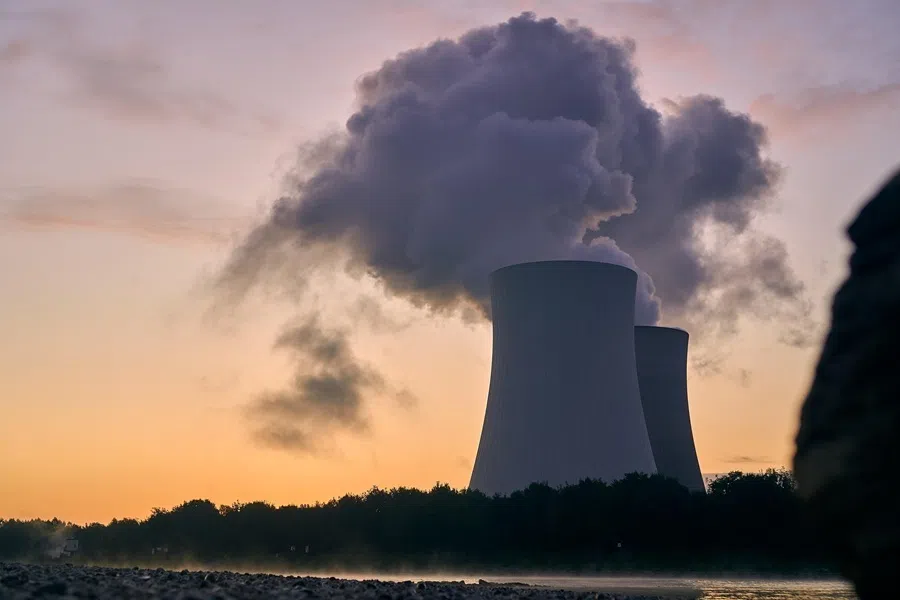
China Eyes Southeast Asia’s nuclear sector amid trust Gaps
China Eyes Southeast Asia's Nuclear Future, but Trust Gaps Remain China is poised to break into Southeast Asia's...

Trump claims midterms lost without him: ‘If I were on the ballot, we would have won’
Trump Delivers First Remarks Since Midterm Rout From White House Ballroom Construction Site President Donald Trump held his...

China and ASEAN to Deepen Cooperation in Earthquake Monitoring and Disaster Management
China and eight ASEAN member states convened in Nanning, capital of the Guangxi Zhuang autonomous region, to deepen...