
Denver Rescue Mission to Depart 48th Avenue Shelter, Citing Strategic Shift
The landscape of homeless services in Denver is undergoing a significant transition as the Denver Rescue Mission prepares to lay off 71 employees at the 48th Avenue Center. The nonprofit filed a formal notice with the Colorado Department of Labor and Employment on October 30, confirming that operations at the facility will conclude on December 31. This decision follows the termination of the organization’s city contract to manage the site, a location that has served as a critical node for men experiencing homelessness since the height of the COVID-19 pandemic.
WARN NOTICE – COLORADO 🇺🇸 Denver Rescue Mission ("DRM") will permanently lay off employees assigned to or supporting operations at the 48th Avenue Center (4600 E. 48th Ave, Denver, CO 80216) on December 31, 2026. pic.twitter.com/cvbpABGjxc
According to Dennis Van Kampen, the nonprofit’s chief executive officer, the decision to step away was not a forced exit but a deliberate choice. The Denver Rescue Mission opted not to bid on a new contract for the 2027 cycle, signaling a broader pivot in the organization’s service model. Rather than continuing to operate large-scale, warehouse-style shelters, the mission is reallocating its resources toward homelessness prevention programs. This includes an expansion of a school-based initiative launched in September 2025, which aims to stabilize families at risk of losing their housing before they ever enter the shelter system.
A Shift in Operational Focus
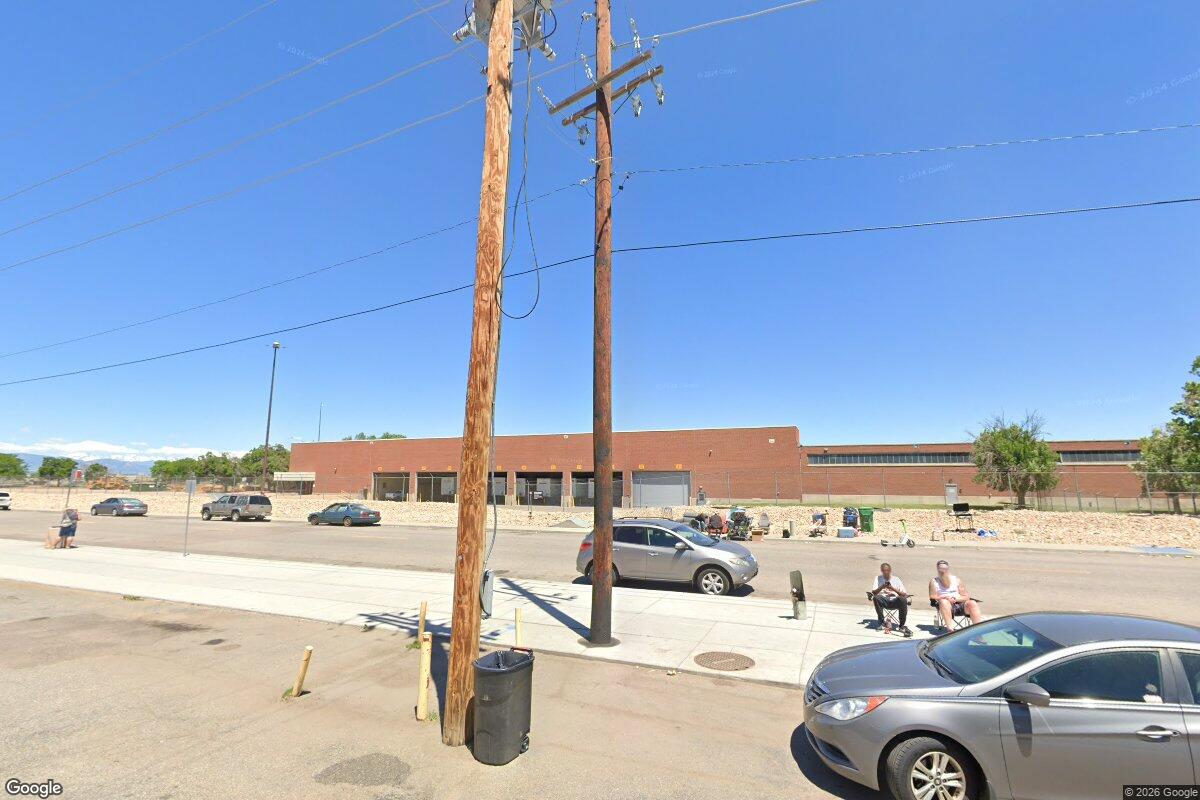
The 48th Avenue facility, located at 4600 E. 48th Ave. near Interstate 70 and Colorado Boulevard, has been a cornerstone of the city’s emergency response. Since its opening in 2021—following a city lease initiated in September 2020—the site has provided 538 men with overnight beds, three daily meals, and essential hygiene services. As reported by The Denver Post, the upcoming layoffs will impact a wide range of staff, including custodians, chefs, community coordinators, intake specialists, and case managers.
Alexxa Gagner, the mission’s chief external relations officer, noted that the organization is moving toward what it describes as “trauma-informed, dignified care.” The goal is to get “upstream” of the crisis, a philosophy driven by data showing that more than half of the adults currently utilizing the mission’s services first experienced homelessness during childhood. By investing in families within the Jeffco Public Schools and Poudre School District, the mission claims it successfully kept 106 families—comprising 211 children—in their homes during the pilot program’s first year.
City Planning and Future Continuity
Despite the departure of a major service provider, city officials remain focused on maintaining steady operations. Julia Marvin, a spokeswoman for Denver’s Department of Housing Stability, confirmed that the city initiated the bidding process for 2027 shelter-management contracts earlier this year. While the city has not yet identified the specific organization slated to take over the 48th Avenue Center, Marvin emphasized that there will be no interruption to services for the men currently residing there.
The city’s shelter system is currently navigating a period of financial tightening. As reported by Colorado Politics, the Department of Housing Stability requested $71.6 million for its 2026 spending plan—a slight decrease from the previous year—while simultaneously facing a projected loss of nearly $33 million in programmatic funding. This budgetary environment has pressured the city to prioritize shortening the duration of shelter stays, which had previously averaged over 210 days.
The Broader Mission Network
While the 48th Avenue Center will transition to new management, the Denver Rescue Mission maintains a sprawling footprint across the region. The organization continues to operate several high-profile facilities, including:
- The Lawrence Street Shelter and surrounding community center in downtown Denver.
- The Crossing on Smith Road, which offers transitional housing and a residential recovery program.
- The Ministry Outreach Center and the adjacent Holly Center, which serves as a year-round overflow facility.
- A shelter in Fort Collins and a 100-acre farm in Wellington.
Van Kampen stated that the mission is already coordinating with the successor organization for the 48th Avenue site, expressing hope that the 71 employees facing layoff will be retained by the incoming management. As Denver continues to refine its strategy for managing homelessness, the exit of one of its largest providers highlights the ongoing tension between maintaining high-capacity emergency shelters and the long-term, systemic goal of preventing housing loss at the source.
The city’s committee meeting scheduled for next Tuesday is expected to provide more clarity on the future of these contracts, leaving the immediate fate of the site’s daily operations in the hands of the upcoming service provider transition.
Keep reading

SCAQMD Air Pollution Control Rules and Regulations Guide
Updating the Regulatory Blueprint for California Air Quality When it comes to the complex machinery of environmental oversight...

Jalen Brunson Makes Law & Order SVU Cameo as Detective Madison
Jalen Brunson Trades the Hardwood for the Precinct in SVU Cameo New York Knicks star Jalen Brunson made...

Justin Pearson accepts 9th District loss but vows to challenge map
The 9th District Results and the Future of Tennessee’s Political Map Democratic state Representative Justin J. Pearson has...

The 6 Stages of Content Maturity: How to Scale Your B2B Content Engine
Content maturity for B2B brands often stalls because companies rely on sporadic, founder-led updates rather than a systemic...