Denver voters lead with overwhelming support for Ballot Issue 4A tax increase
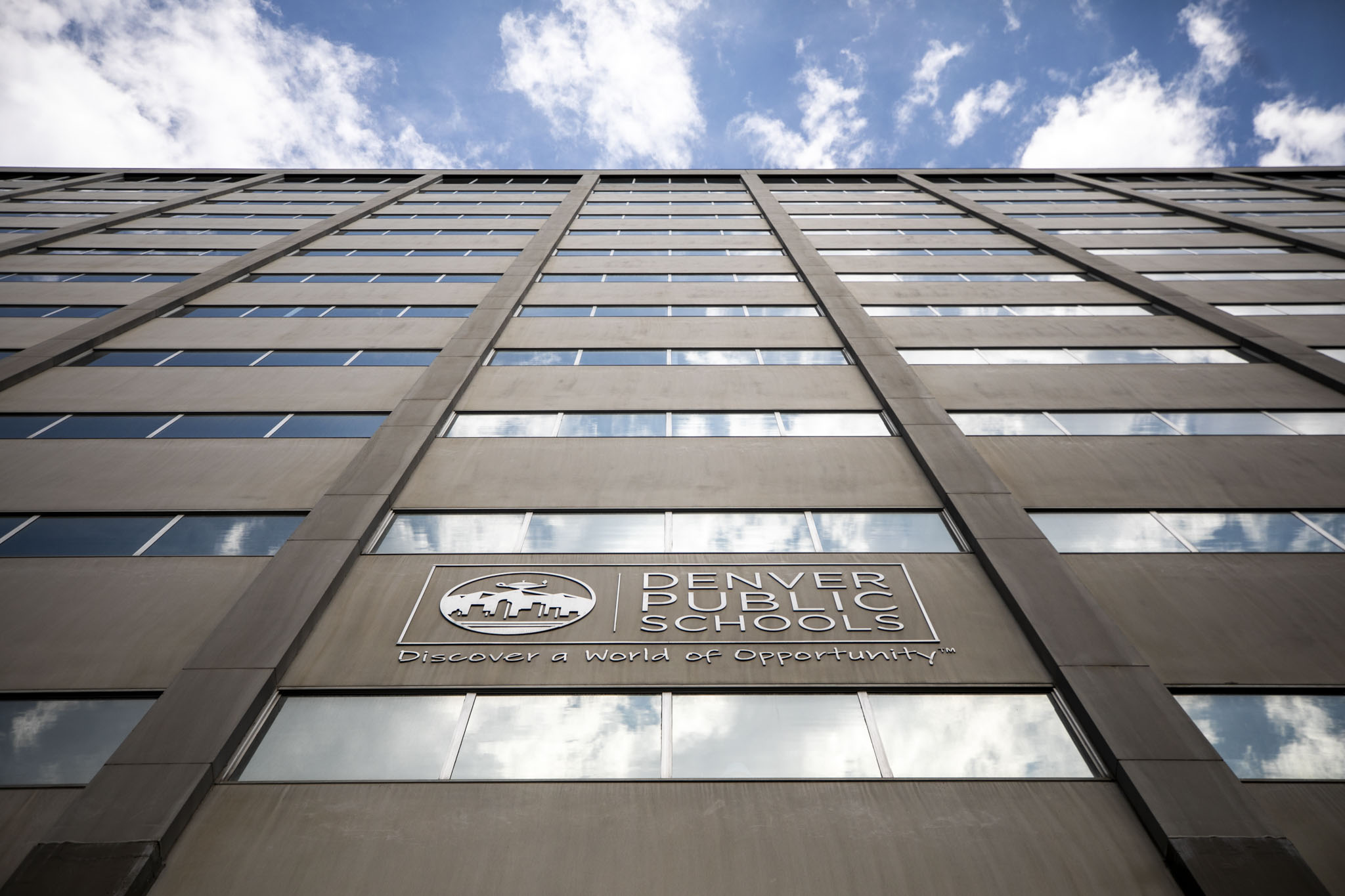
Denver voters are moving toward a significant expansion of funding for Denver Public Schools, with early election returns showing strong support for a $44 million tax increase. As of 7 p.m., supporters of Ballot Issue 4A held 67.5% of the vote, signaling a decisive mandate for the district’s proposed budget overhaul. According to reporting from Denverite, the measure is currently leading in the early counts as the city processes the results of this Tuesday’s election.
**Here's what happened, based on the investigation, admin law judge findings & board records:** Denver Public Schools French teacher **Jennifer Honka** (Northeast Early College) was unanimously dismissed by the board (7-0) on May 20, 2026 after an administrative law judge…
The proposed mill levy override isn’t just a line item in a budget; it represents a fundamental shift in how the district intends to distribute resources to its workforce and specialized student services. If the measure passes, the financial impact on local homeowners will be relatively modest compared to the scale of the investment. For a Denver home valued at the city’s median of $624,800, property taxes would rise by approximately $72.
This decision comes after a period of intense advocacy within the district. The Denver Public Schools Board of Education gave its unanimous support to placing the measure on the ballot, a move that was met with visible enthusiasm from those on the front lines of the classroom. As reported by Chalkbeat Colorado, teachers and students actively participated in board meetings to champion the tax increase, framing it as a necessary step for the district’s stability.
How the $44 million will be distributed
The scale of the funding is matched by a specific breakdown of how the money will be utilized across the district. The vast majority of the new revenue is earmarked for the people who run the schools. Specifically, $25.8 million is designated for employee raises. Under this plan, every full-time employee would receive a $1,750 raise, while part-time staff members would receive a prorated amount based on their hours.
Beyond direct compensation, the remaining funds are structured to address several high-priority educational needs. The district plans to split the remaining capital among several key areas:
- Expansion of career and technical education programs.
- Increased student mental health support services.
- Enhanced special education services.
- $9.3 million allocated to the district’s charter schools, which receive a portion of these funds as required by state law.
The allocation to charter schools is a statutory requirement, ensuring that the tax increase follows the student population as mandated by Colorado’s funding formulas. This ensures that the $44 million reaches a broader spectrum of the city’s educational landscape, rather than being confined solely to traditional district-run campuses.
The absence of a formal opposition campaign
One of the most striking aspects of this election cycle was the lack of organized resistance. Unlike many high-stakes tax measures in Colorado, which often trigger well-funded opposition campaigns, no formal campaign was formed to fight Ballot Issue 4A. While conservative critics frequently argue that government entities should focus on internal efficiency and cost-cutting rather than seeking new revenue, those arguments did not manifest in a structured political fight for this specific measure.
In fact, no money was raised in either support of or in opposition to the ballot measure. This lack of campaign spending stands in stark contrast to the typical high-decibel political battles seen in municipal elections. Without a dedicated opposition group to challenge the district’s spending priorities or the necessity of the raises, the measure moved through the election cycle with a level of consensus rarely seen in local tax policy.
The debate, therefore, has largely been one of quiet preference rather than public confrontation. The primary tension remains the classic civic dilemma: the trade-off between immediate taxpayer costs and the long-term investment in public infrastructure and human capital. For Denver residents, the choice was between a $72 annual increase per median-valued home and the promised stability of increased teacher pay and expanded student services.
As the final tallies are confirmed, the district will begin the work of implementing these raises and expanding the technical and mental health programs that the voters have, in the early returns, overwhelmingly approved.
Keep reading

UNC Wilmington Sweeps Gardner-Webb in men’s and women’s swimming
UNC Wilmington Dominates Gardner-Webb in Dual Meet Sweep The UNC Wilmington swimming programs secured decisive victories over Gardner-Webb...

Jessica O’Riordan Empowers Students and Athletes Through Psychology
Jessica O'Riordan brings sport psychology expertise to Colorado Mesa University The intersection of mental performance and physical competition...

Kentucky Basketball Opens Mark Pope Era Tonight Against Manhattan
The Kentucky Wildcats begin their 2026-27 men's basketball season tonight as they host the Manhattan Jaspers at Rupp...

Controversy and Allegations of Voter Deception Roil Alaska Senate Race
The Dan Sullivan Name Confusion and the Fight for Alaska's Senate Seat Less than two weeks before Election...