“Des Moines University College of Osteopathic Medicine charges no separate secondary fee and uses no external supplemental portal for DO applicants, letting applicants complete everything inside the AACOMAS portal by the April 30, 2027 deadline.
Most osteopathic schools route verified applicants to an external portal with a supplemental fee. Emory Pre-Health Advising says medical schools with separate secondaries average $75 and expect a two‑week turnaround. DMU skips that step entirely; its tuition and fee schedule lists application charges only for non‑degree courses ($60) and OTD Direct applications ($160–$200), with no DO secondary fee listed.
A DMU file enters committee review once the admissions office processes three items: a verified AACOMAS application, official MCAT scores, and three recommendation letters. The 2026‑2027 AACOMAS cycle opened May 4, 2026 and closes April 30, 2027, which also serves as DMU’s final deadline. An AACOMAS fee waiver is worth $198 and must be used within 14 days of approval.
Because DMU moves straight from a completed AACOMAS file to interview selection, the personal statement and any program questions inside the portal carry the entire written case for fit. The school highlights three themes: osteopathic exposure and manual medicine, community service and interprofessional teamwork, and pre‑matriculation plans or reapplication growth. DMU recommends shadowing, paid patient care, or volunteering to confirm commitment to osteopathic medicine, and points applicants to the American Osteopathic Association, which represents more than 218,000 osteopathic physicians and students, for DO mentors.
Applicants do not need rural or primary‑care plans to align with DMU. The school frames its training around a projected U.S. shortage of up to 86,000 physicians by 2036 and notes graduates practice across the full spectrum of academic and clinical medicine, including family medicine, pediatrics, obstetrics and gynecology, and surgery. Specific campus resources include the Rakowski Surgical Skills Lab, Wojciechowski Trauma Lab, full‑body cadaver anatomy lab, and 16‑room Human Simulation Lab.
Qualified candidates complete a required virtual interview day with three parts: a program overview, a live Q&A with current DMU students, and a faculty interview. The admissions committee conducts a full post‑interview review and emails rolling decisions of admit, alternate, or release throughout the cycle. Accepted students pay a $1,500 seat deposit in two non‑refundable $750 payments, with the second due May 1.”
Worth a look

LSU Coach Lane Kiffin Uses Profanity During Live Radio Interview
LSU head coach Lane Kiffin dropped an F-bomb during a live halftime radio interview Saturday in Knoxville as...
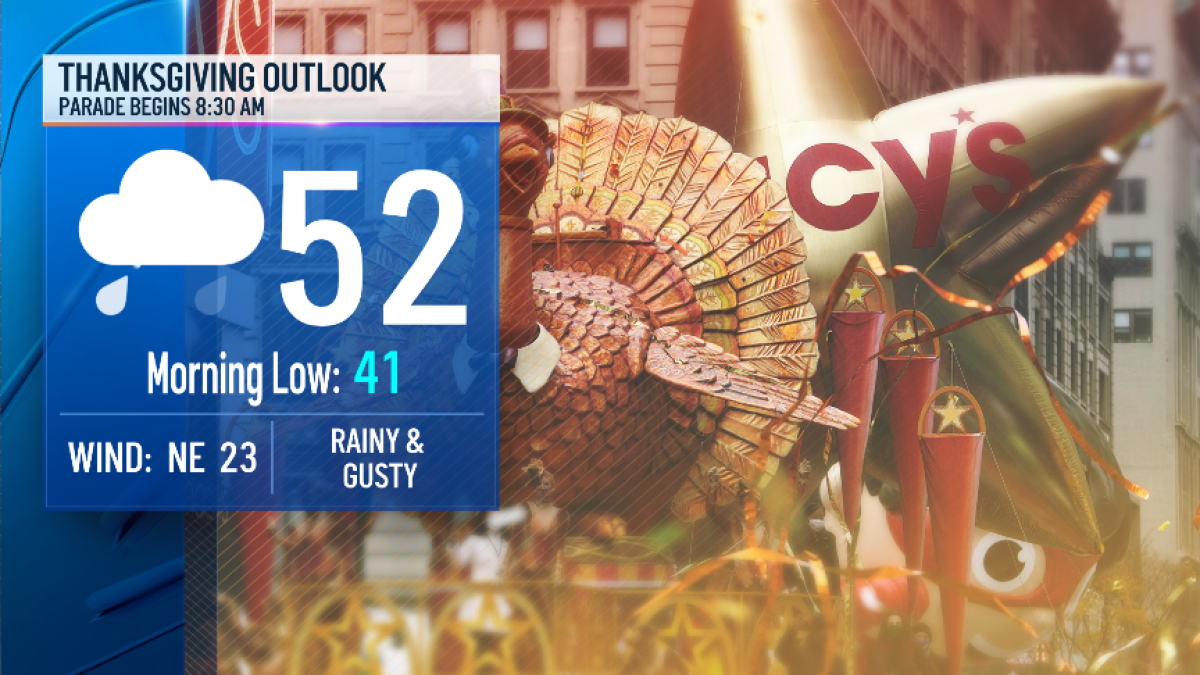
Coastal Storm Threatens 100th Macy’s Thanksgiving Parade With Wind, Rain; Balloons Grounded If Gusts Exceed 34 mph
A coastal storm threatens to bring wind and rain to the 100th Macy's Thanksgiving Day Parade on Thursday,...
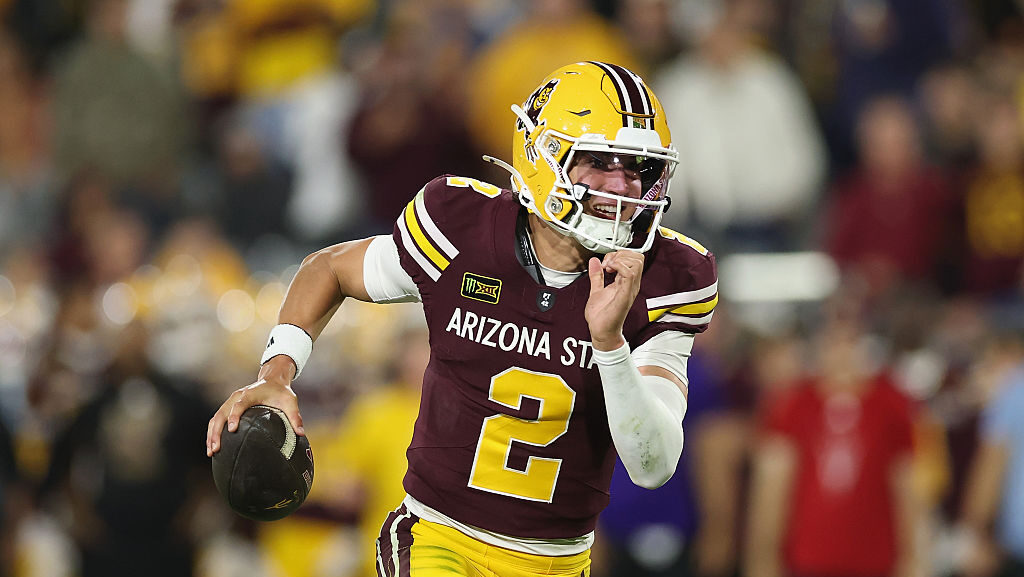
ASU Blows 17-Point Lead, Loses to Oklahoma State in OT on Fette Interception
Freshman quarterback Jake Fette threw his first college interception on the opening play of overtime, sealing Arizona State’s...
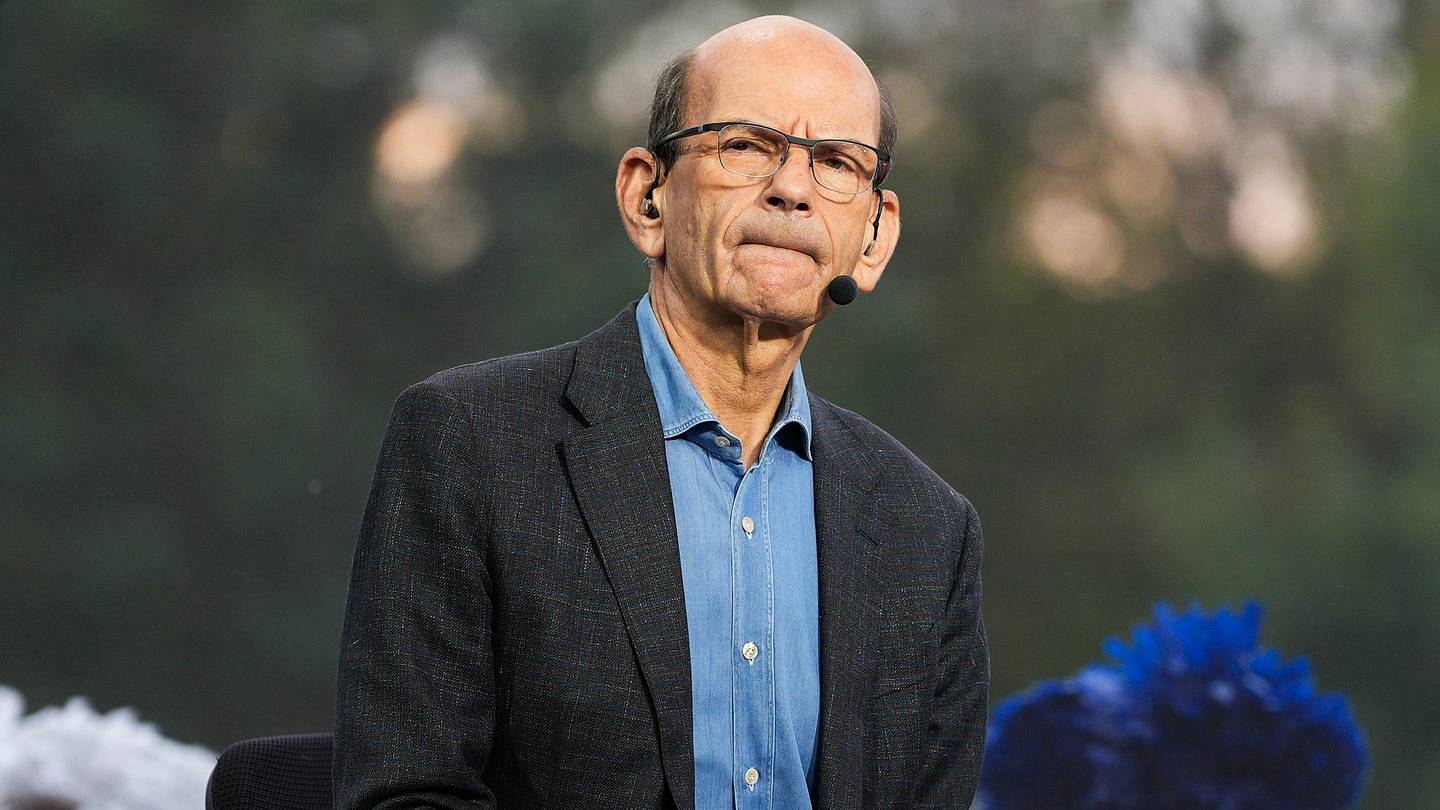
Paul Finebaum Says He Thinks Curt Cignetti’s Social-Media Campaign Blew up in His Face
Indiana fell 27‑24 in overtime to unranked Washington (6‑4) on Saturday, dropping the Hoosiers to 9‑2. ESPN’s Heather...