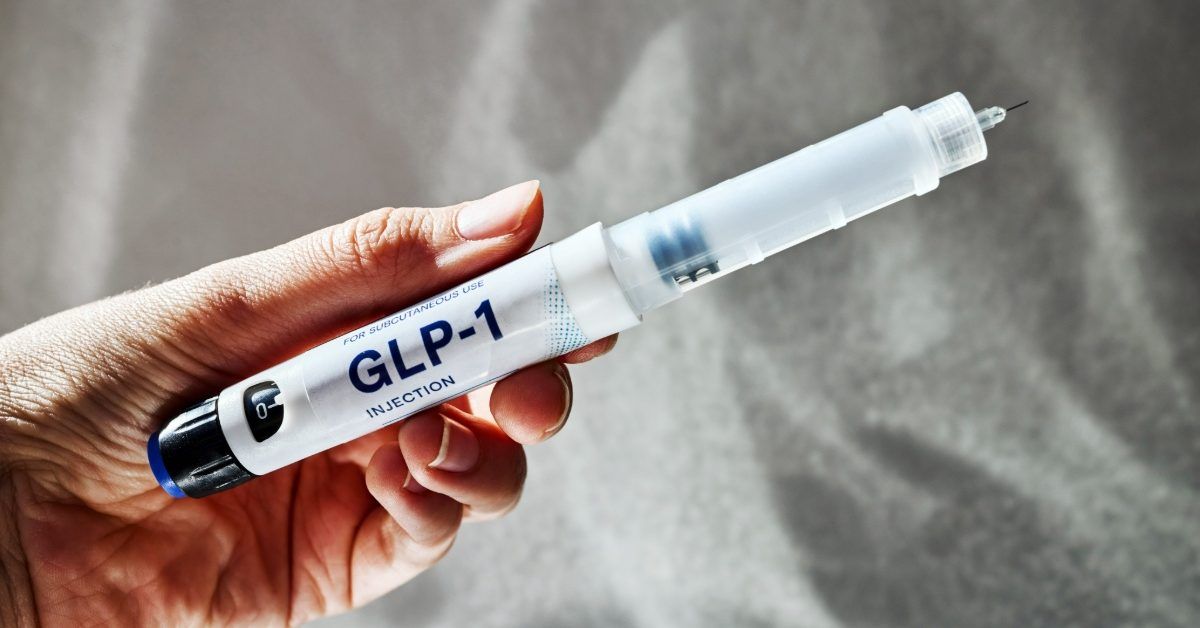
- Science review evaluated GLP-1 drugs’ brain effects across aging, cardiometabolic disease and Alzheimer’s.
- Observational data tie semaglutide and tirzepatide to reduced cognitive impairment in obesity and type 2 diabetes.
- Two phase 3 trials of semaglutide in early Alzheimer’s did not slow disease progression.
- Alzheimer’s Association is funding a global phase 3 trial combining lifestyle intervention with a GLP-1 drug.
The Science review examined roughly 200 preclinical and mechanistic studies showing benefits for learning, memory, synaptic plasticity and neuronal resilience, though results were heterogeneous in design and direction so a clear consensus on magnitude and mechanism remains lacking, Healthline reported.
Analyses of large outcome trials and observational cohorts suggested GLP-1 medications may be associated with a reduced risk of cognitive impairment and dementia in people with obesity or type 2 diabetes. However, a direct causal relationship has not been proven.
Cardiometabolic health vs. direct brain action
“While research suggests GLP-1s could reduce brain inflammation, improve blood vessel health, and even protect neurons, much broader, randomized clinical trials on GLP-1s and brain health, including in people with Alzheimer’s disease and other dementias, are needed,” said Sheena Aurora, MD, vice president of Medical Affairs at the Alzheimer’s Association, who was not involved in the review. She told Healthline the benefits may stem from improved cardiometabolic health rather than direct brain effects.
Dr. Mir Ali, who leads the MemorialCare Surgical Weight Loss Center at Orange Coast Medical Center in Fountain Valley, CA, concurred. “These findings are interesting, but like many of the other benefits associated with GLP-1 medications, a direct causal relationship has not yet been proven,” he told Healthline. “Rather, the benefits appear to be more closely tied to the reduction in obesity and better control of diabetes.”
Alzheimer’s trials show no slowing
Novo Nordisk’s EVOKE and EVOKE+ phase 3 trials tested semaglutide in people with early-stage Alzheimer’s disease. The studies showed semaglutide produced changes in several disease-related biomarkers but did not slow progression of the disease.
The review authors said this emphasizes that fixing metabolic issues might prevent cognitive decline in someone with obesity or diabetes, but might not reverse damage in established Alzheimer’s, where profound synaptic loss and protein pathology have already occurred.
Next study underway
The Alzheimer’s Association is providing financial support for the Prevention of Risk for Cognitive Decline through Combined Therapy (PROTECT-Cog) global phase 3 clinical trial. The study will assess whether pairing a proven multidomain lifestyle intervention with a metabolism-targeting drug such as a GLP-1 can further lower the risk of cognitive decline, mild cognitive impairment and dementia in at-risk older adults.
“We’re also interested to see whether adding a drug like a GLP-1 to a U.S. POINTER-style lifestyle program improves cognition in at-risk older adults more than the program alone,” Aurora said.
- Philippine Hog Inventory Hits 1995 Low at 8.94M Heads, PSA Reports
- Nintendo Restores Switch 2 Bundle to $499 With Free Game and Online
- CASS4 Gene Helps Brain Immune Cells Isolate Toxic Alzheimer’s Plaques (archyde.com)
- Alice Huang probed over alleged Chinese spy links and Nvidia chip smuggling (newsarchyuk.com)

Philippine Hog Inventory Hits 1995 Low at 8.94M Heads, PSA Reports
"How will this encourage farmers to repopulate? There are simply too much imported frozen pork in the market."...

Nintendo Restores Switch 2 Bundle to $499 With Free Game and Online
Nintendo cut the Switch 2 + Mario Kart World bundle back to $499.99 on November 22, matching the...

FSSAI Sanctions Prosecution Against Bisleri Over Referral Lab Finding Of Carcinogens In Water
India's food safety regulator has sanctioned prosecution against Bisleri International after a sample of its packaged drinking water...

Dermatologists Say Regular Soap Works as Well as Antibacterial for Daily Use and Cold-and-Flu Season
Regular soap and water work as well as antibacterial versions for everyday hand-washing and cold-and-flu season, dermatologists told...