
Detroit’s rap voice builds identity from the city’s industrial collapse and the communities that rebuilt culture inside it.
The artist, unnamed, emerged from neighborhoods shaped by factory closures, population loss, and migration streams that brought African American workers from the South alongside Latino and global newcomers. Producers turned abandoned spaces into studios, layering distorted vocal chops over 808s with the soulful gasps heard in 1960s Motown recordings to create a soundscape described as simultaneously futuristic and ancestral.
“In Detroit, the beat comes from the floorboards, the train tracks, the exhaustion — it’s not manufactured. It’s lived,” a local producer said.
The rapper integrates local dialects and Spanglish, reclaiming linguistic ownership in a city where identity is constantly evolving. Early recordings circulated on torn CDs in North End Hall and at underground cypher nights in Book Extra, prioritizing raw emotion over polished production.
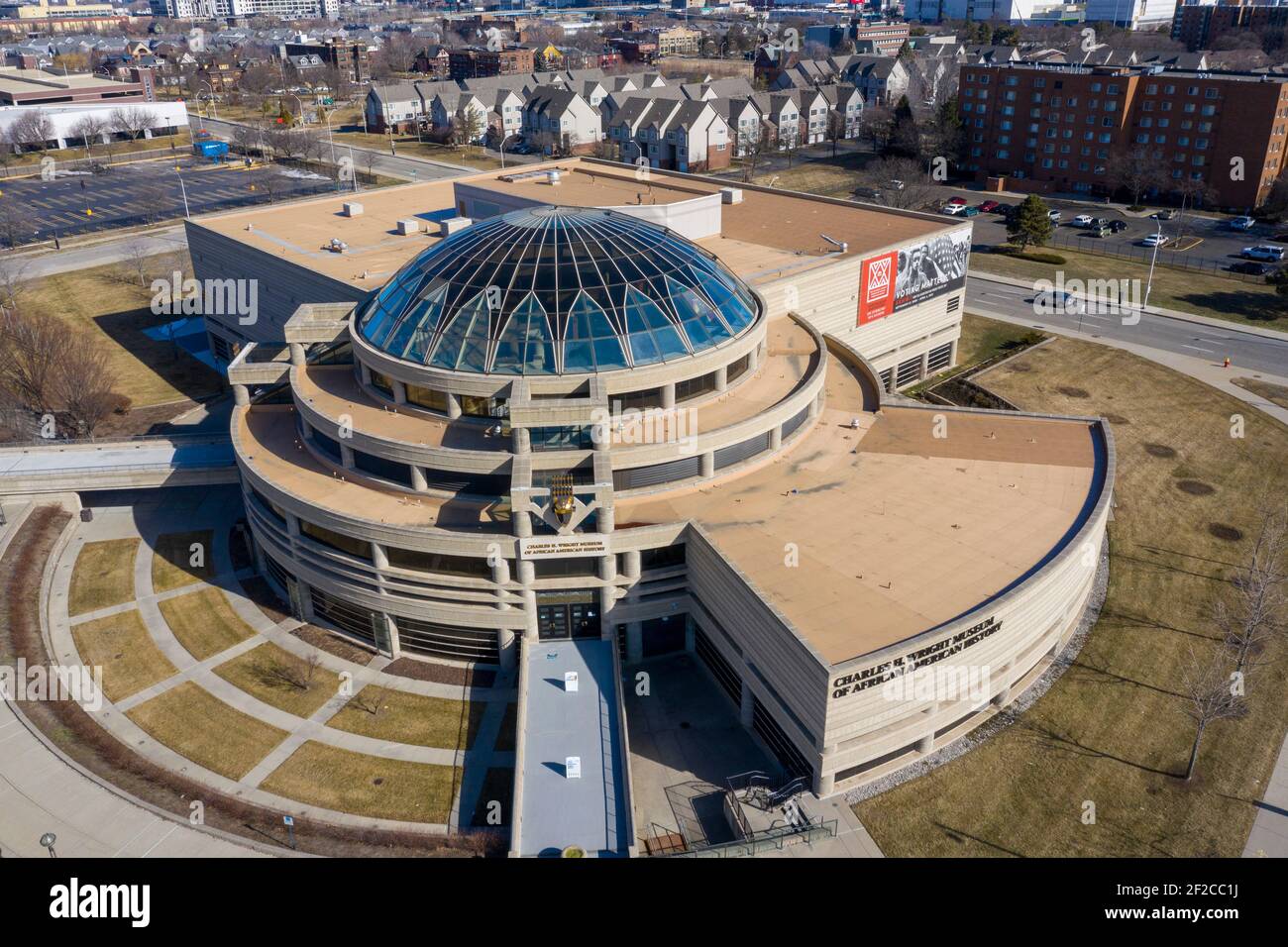
“I don’t speak for the people,” the rapper has said, “but I speak with them — the tired feet, the last shift, the silence after the last call.”
Public appearances favor worn jeans and direct engagement at parks or block parties rather than celebrity theatrics. Collaborations feature neighbors — poets, auto-rehab mechanics turned beatmakers, gospel-trained singers — each contributing a slice of district soul. Social media posts highlight powertrain sounds, street art, and candid shots from Midtown warehouses reborn.
Insiders note an internal tension balancing artistic ambition with community responsibility, creative evolution with cultural preservation. Educational initiatives and community arts programs now echo the rapper’s ethos, teaching youth to rap, record, and produce as acts of cultural survival.
“The Detroit rapper’s identity is a tapestry woven from urban decay, cultural resilience, sonic experimentation, and deep community ties,” the report concludes.
Keep reading

Arizona Opens Maui Invitational vs. Colorado State as Favorite With Bench Depth Concerns
Arizona opens the 2026 Maui Invitational against Colorado State on Monday at 9:30 p.m. MT, the first of...

Portland Pantries Brace for Holiday Demand as Federal Aid Dips, SNAP Rules Shift
Portland food pantries are preparing for high demand this holiday season as federal SNAP changes and rising costs...

State Police Helicopter Assists in Locating Woman Who Left Care Facility Near Hanover Walmart
Pennsylvania State Police located a 68-year-old woman near a Walmart in Hanover on Sunday after she walked out...

2016 Volkswagen Jetta 1.8T SEL Listed for Transfer at Hendrick Toyota Concord (Stock P56753A)
A 2016 Volkswagen Jetta 1.8T SEL sedan with vehicle identification number 3VWL17AJ5GM412431 is listed for transfer at Hendrick...