
In a column for The Metropolitan, Lim Chan argues that student discounts provide the same benefits at a lower cost.
Chan, the publication’s marketing director, writes that after a trip to Japan, friends asked how she afforded travel on a student budget. She said the answer was budgeting and saving, with student discounts as a primary strategy. She recounts a conversation with a friend about downtown Minneapolis parking. The friend paid an extra $50 per month for “VIP” parking near elevators with in-and-out privileges. Chan paid $6 per trip for a spot one block away without those privileges, meaning she would pay again — often at a higher rate — if she left for an errand.
“Determining who got the better deal really depends on the person,” Chan writes. “It depends on how much someone values in-and-out privileges, convenience and the parking spot’s exact location.”
She agrees with that analysis but asks what if the same product or service could be had at a discount without giving up the benefits. “That’s where student discounts come into play,” she writes.
“They have become one of my go-to strategies for saving money.”
Chan lists three subscriptions she holds at student rates. She pays $69 annually for Amazon Prime instead of $139, $49 annually for Walmart+ instead of $98, and $8.99 per month for YouTube Premium instead of $15.99. Those discounts add up to around $200 in savings every year while giving her essentially the same benefits as the regular memberships.
“This is not an encouragement to buy things you do not need simply because you can get a discount,” she writes. “Instead, if you are already going to spend the money, make sure you are not paying more than necessary.”
She urges readers to use any discount they qualify for, including student, senior, military or first responder offers, and invites them to share additional deals in the comments.
Kansas City Current Defeat Washington Spirit 2-1 in NWSL Final
Kansas City Current defeated Washington Spirit 2-1 in the National Women's Soccer League championship final Saturday night at...
Sam Palladio Reflects on Costarring With Hayden Panettiere Through Trauma
Sam Palladio, who played Gunnar Scott on the drama “Nashville,” reflected Wednesday on costarring with Hayden Panettiere, recalling...
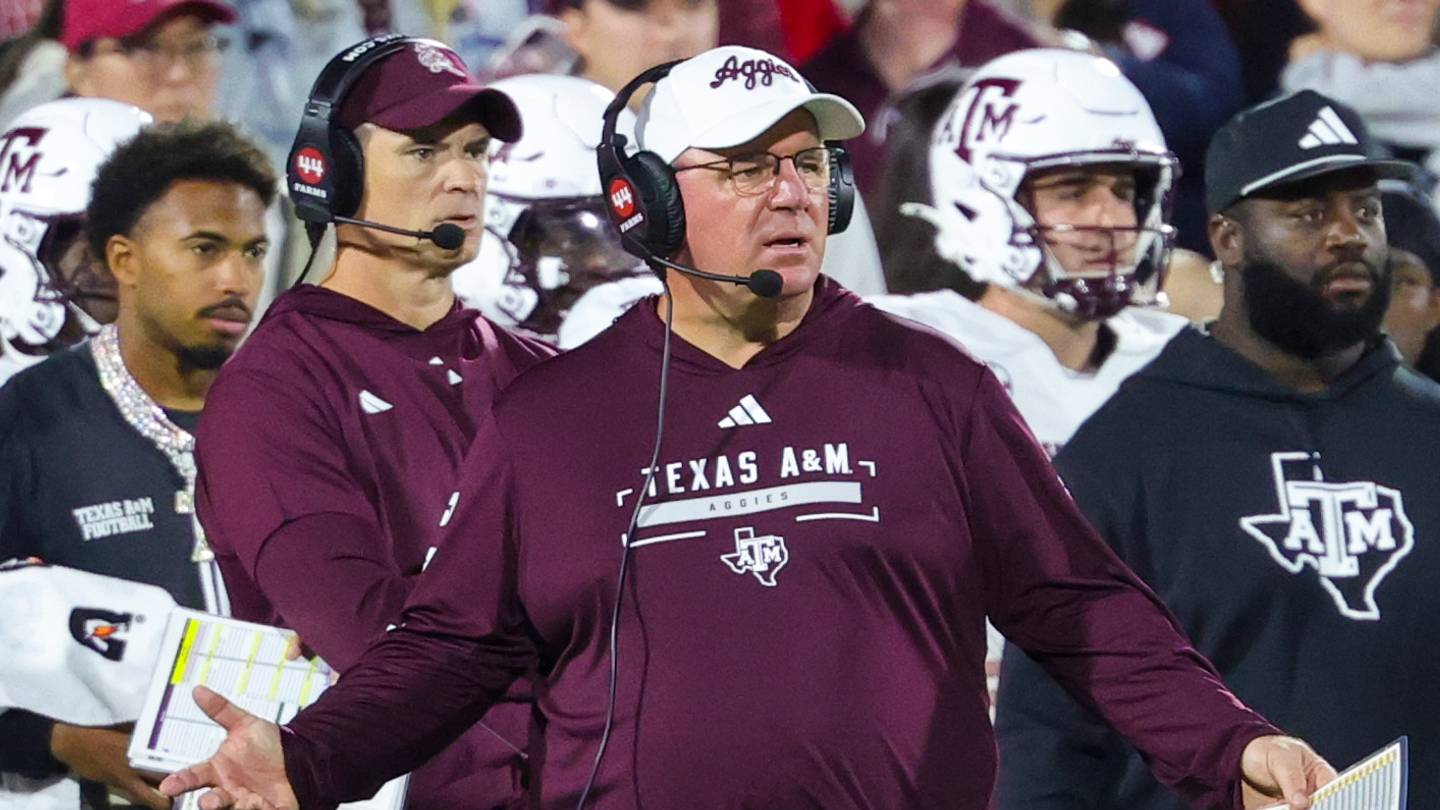
Texas A&M Falls to Oklahoma as Sooners Score 21 Fourth-Quarter Points
Texas A&M fell to Oklahoma as the Sooners scored 21 fourth-quarter points to complete a 58-0 aggregate fourth-quarter...

Elon Golfer Landon Durham Wins Phoenix Invitational After Mental Health Hospitalization
Elon University golfer Landon Durham won the 2025 Elon Phoenix Invitational weeks after a mental health hospitalization. Durham,...