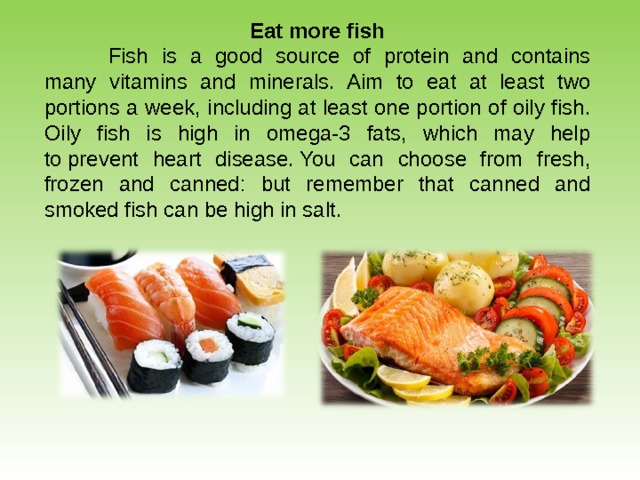
Eat about two 3.5-ounce servings of fatty fish each week to meet omega-3 needs, a registered dietitian told Verywell Health. The American Heart Association backs that amount for consistent EPA and DHA intake.
Grace A. Derocha, MBA, RD, CDCES, a Detroit-based registered dietitian, said the portion is roughly the size of a big cell phone or a checkbook, Verywell Health reported.
Which fish to choose
Derocha recommended the SMASH acronym — salmon, mackerel (Pacific), anchovies, sardines, and herring — as fatty fish high in both EPA and DHA. “All the fatty fish in the SMASH acronym have both EPA and DHA,” she told Verywell Health. “But eating some fish is better than not eating any at all. If salmon is what you like, and that’s where you want to get your omega-3s from, I would say, do it.”
Why omega-3s matter
Omega-3s are essential fatty acids the body cannot make. “Omega-3s help reduce inflammation, lower triglycerides, and support healthy blood pressure by keeping your arteries flexible,” Derocha said. “Think of it as those fatty acids from omega-3 oiling your heart to help avoid things like atherosclerosis and heart disease.”
Mercury concerns
Mercury is a valid concern, especially for pregnant people, those breastfeeding, and young children, Derocha said. SMASH fish are cold-water species lower in mercury. Shark, swordfish, king mackerel, and tilefish should be limited or avoided because they are higher in mercury. King mackerel accumulate more mercury as they are high on the marine food chain; Pacific mackerel has much less.
Plant sources and supplements
Flax seeds, soybeans, chia seeds, and walnuts provide plant-based omega-3s. For people who don’t eat fish, have allergies, or have higher needs from heart disease or high triglycerides, supplements such as fish oil, krill oil, or algae oil can help. “Whole fish and actual food itself are the best sources of omega-3s for most people,” Derocha said. “Eating fish not only gives you omega-3s but also high-quality protein, some vitamin D, selenium, and other heart-healthy nutrients that supplements can’t ever fully replicate.” She advised checking for third-party testing and looking for at least 500 to 1,000 milligrams combined EPA and DHA per serving.
Related reading

Man in 30s Dies After Being Found Outside Walton Property; Street Cordoned Off
A man in his 30s has died after being found outside a property on Wellfield Road in Walton...

GTA 6 Campaign Spans 91 Missions Across Five Chapters
Rockstar's latest crime epic demands at least 200 hours for the Platinum trophy, while the main campaign alone...

Senate Republicans Open to Cutting Iran War Funding to Avert Shutdown
Senate Republicans are signaling willingness to cut off funding for the Iran war in exchange for Democratic votes...

Repurposed Container Serves as Free Sensory Room in South African Township, Reports Say
In Orange Farm, a township south of Johannesburg, a repurposed shipping container now serves 450 children, 67 young...