
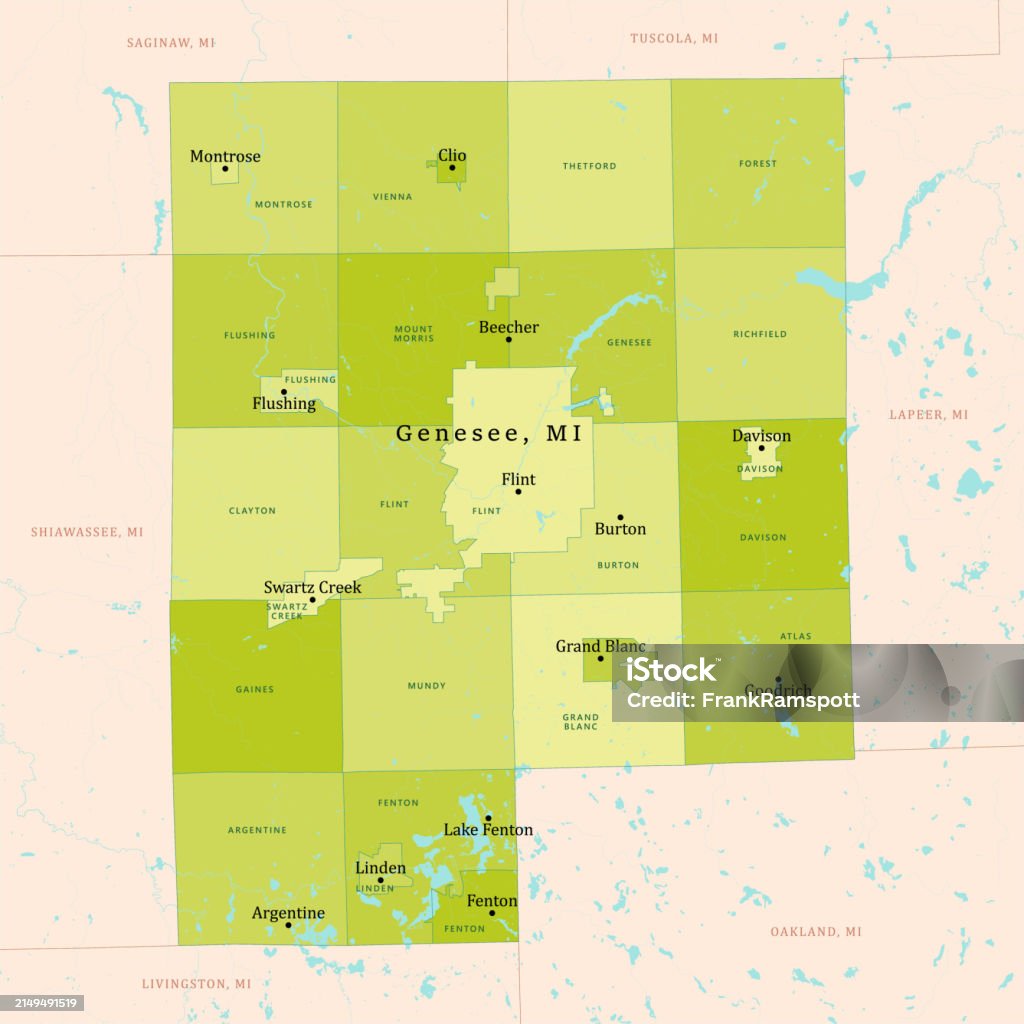
Genesee County officials voted in September to negotiate an agreement creating a nonprofit entity that would borrow $175 million to $200 million over 30 years to build a countywide fiber broadband network, despite county estimates that more than 97% of residents already had high-speed broadband access as of 2025.
The county issued a request for proposals in March 2026 and is moving forward with a submission from Pivot-Tech, a company that specializes in Section 63-20 projects allowing local governments to establish nonprofits to own and finance infrastructure. Genesee County would contribute $3.5 million initially, with debt repayment expected from subscriber revenue.
The Michigan High Speed Internet Office has already awarded federal BEAD funding to more than 2,500 addresses in Genesee County across nine private providers, and internet service provider Spectrum received a ROBIN grant to build a fiber network reaching more than 1,000 additional addresses. Both state programs are designed to reach unserved and underserved households at no cost to county taxpayers.
A county survey found most residents would pay only $25 per month or less for better internet, while the government-backed plan projects most subscribers will choose one-gigabit service at $80 per month. The plan assumes a 40% take-rate within the service area and forecasts $13 million per year in profit eventually returning to the county.
“I am unaware of a single project anywhere that returns that much money to the government,” the Mackinac Center analysis says. The article notes that similar government-backed networks in other cities have overestimated popularity, leaving taxpayers exposed when revenue falls short.
It also argues that projecting technology needs 30 years out is unreliable, citing the shift from dial-up and DSL in 1996 to current fiber and satellite options. The private market already serves the vast majority of Michigan residents, and remaining gaps are being addressed through BEAD, ROBIN and other programs that work with private industry.
Related reading

Two Books Find Grace and Arrival in End-of-Life Transitions
In a column for Washington Independent Review of Books, Amanda Holmes Duffy writes that two recent books on...

UAlbany Researcher Frames Extremism as Organizing Strategy in New Study
University at Albany Matthew Crayne proposes studying extremism as an organizing strategy in an essay published recently in...

Oklahoma City Unveils 10-Year, $130M Housing Plan; Experts Urge State Action
Oklahoma City unveiled a 10-year housing strategy on Nov. 10 backed by $130 million to build 4,000 homes...

Federal Judge Halts Army Plan to Detonate 10,000 Pounds of Lead Azide in Iowa
A federal judge halted the U.S. Army's plan to detonate nearly 10,000 pounds of lead azide at the...