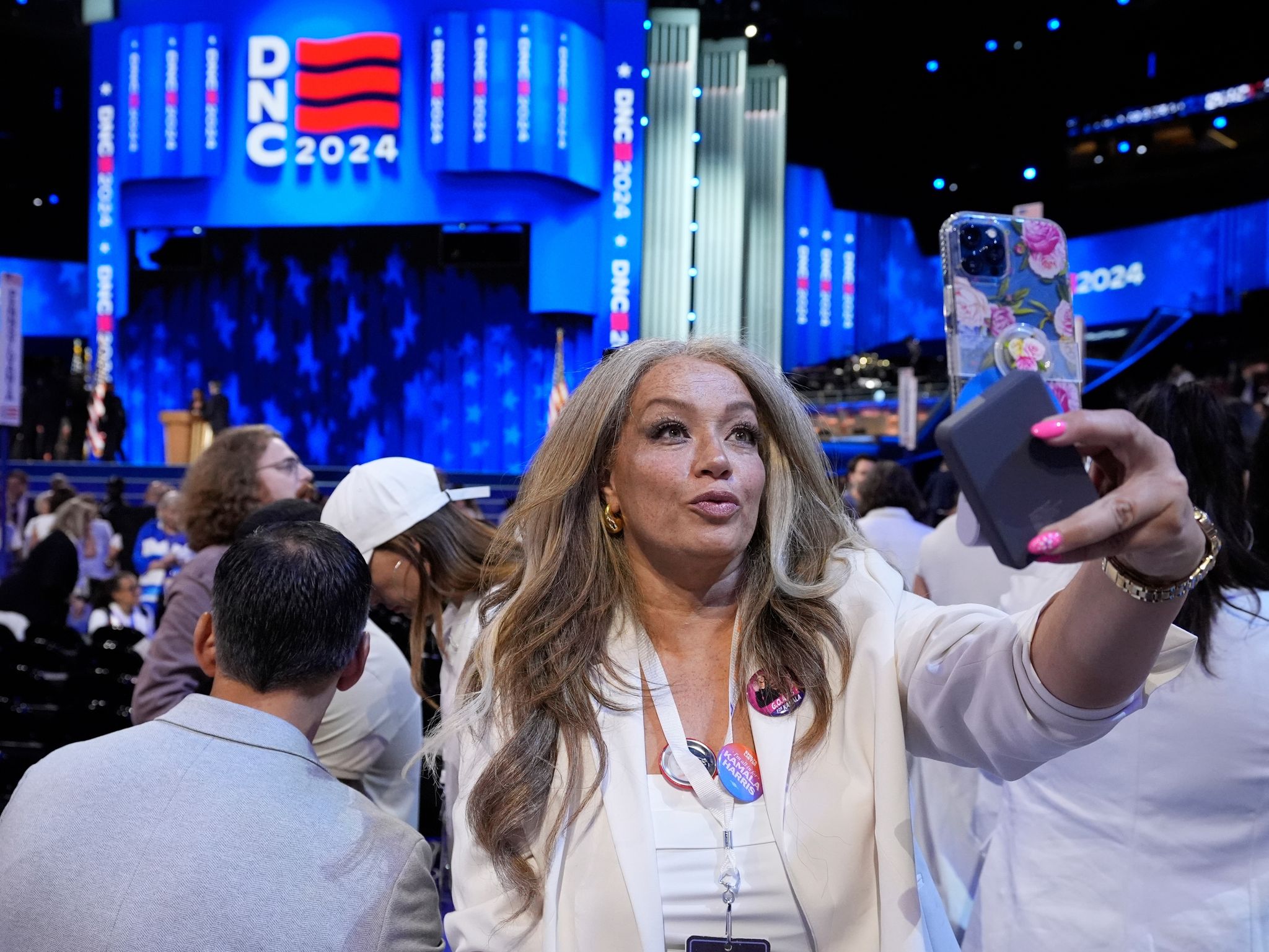
The Democratic National Committee scaled a Signal group chat from roughly 20 creators in summer 2025 to nearly 700 by Election Day, said Matt Rein, the party’s influencer and creative partnerships director.
His team fed video clips and talking points into the chat with no posting requirement, while also brokering rally access and candidate connections, Rein told Connecticut Post. “I’ve been doing digital political media for about a decade now, and it’s always been, you know, the left is on defense, swatting back disinformation,” said Brian Tyler Cohen, a progressive podcast host. “For the first time, the left was able to own the narrative in this cycle.”
Infrastructure built after 2024 loss
Two major vehicles emerged after the 2024 defeat. Cohen launched Chorus, an incubator that pays participants a flat rate for time spent in “grad school for content creators” — self-employment courses, legal primers and messaging training — without requiring posts, he told Connecticut Post. Separately, strategist Jason Berkenfeld started Project Bullhorn, which publicly solicited paid posts on the influencer marketplace SideShift for the 2026 cycle, according to Connecticut Post. El-Sayed won the general election.
Cheerleaders versus pressure campaigns
Rein said the DNC will stay neutral ahead of 2028, aiming to boost any nominee’s “banner initiatives” so candidates can “step into our creative program right away,” he told Connecticut Post.
Kohn-Murphy rejected that role. “Assuming that creators are going to be your little mouthpieces, that’s not going to work,” he told Connecticut Post. His group plans pressure campaigns to oust Senate Minority Leader Chuck Schumer and push aggressive legislation. Cheyenne Hunt, founder of Reckoning Action, said her creator network will target any 2028 presidential contender with “verifiable evidence” of misconduct and demand an anti-misogyny agenda, she told Connecticut Post. Hunt used her platform earlier this year to expose sexual misconduct allegations against Democrats Eric Swalwell and Graham Platner.
Kyle Tharp, writer of the “Chaotic Era” newsletter, compared the emerging split to Republican influencers like Tucker Carlson and Megyn Kelly who occasionally broke with Trump after 2024, he told Connecticut Post.
“You’re going to have some folks switching sides and going rogue or being independent or more critical,” Tharp said. Unlike brand influencers, political creators face no general requirement to disclose payments or financial interests, Connecticut Post reported — a gap that persists as legacy media declines.

William “Bill” Keith Girard, 71, of Jefferson, S.D., Dies; Celebration of Life Set for Dec. 4
William “Bill” Keith Girard, 71, of Jefferson, S.D., died Wednesday, November 25, 2026, with a Celebration of Life...

Louisiana Homeowners Insurers Log 649 Complaints in 2025 as Premiums Rise 5% to $3.31 Billion
Louisiana homeowners insurers logged 649 complaints in 2025, a 2.1% drop from 2024, while premiums rose 5% to...

Utah Hosts Utah State in Big 12 Home Opener as Girardi Leads Nation in Scoring
Utah (6-2) hosts Utah State (3-6) Tuesday at 7 p.m. MT in the Jon M. Huntsman Center. Girardi...

Four Actors Join ‘Days of Our Lives’ Cast This Fall’
Four actors joined the cast of "Days of Our Lives" this fall, introducing new storylines for the show's...