
The Department of Justice deploys 1,000 monitors across all 50 states
The Department of Justice is launching its largest election monitoring operation in history, deploying approximately 1,000 monitors and observers to every single state in the country. According to a statement from the Department of Justice, this unprecedented scale of oversight marks the first time the agency has engaged in a monitoring effort that spans all 50 states simultaneously.
This massive mobilization, coordinated by the Civil Rights Division, aims to ensure election integrity and protect the fundamental right to vote for U.S. citizens. While the DOJ has provided election monitoring support since the passage of the Voting Rights Act in 1965, the sheer volume of personnel and the geographic breadth of this current deployment represent a significant shift in the agency’s operational footprint during an election cycle.
.@AGToddBlanche on Election Monitoring: “That’s not unique to this Department of Justice… Every single Department of Justice in modern history has sent people to election polling places to make sure that elections are being done consistent with the laws. And so, we’re not… pic.twitter.com/kre27FqCUw”
The personnel involved in this effort are not limited to a single unit. The deployment includes staff from the Civil Rights Division, various other DOJ components, U.S. Attorney’s Offices, and federal observers from the Office of Personnel Management. Throughout Election Day, these monitors will maintain direct contact with state and local election officials to oversee the proceedings.
“Election integrity has been one of the top priorities for this Administration and this Division,” said Assistant Attorney General Harmeet K. Dhillon of the Civil Rights Division at the Department of Justice. “I am very proud we are deploying the largest monitoring effort in DOJ history, and pursuing transparency for elections in an assertive and nondiscriminatory manner.”
Federal statutes guide the monitoring mission
The scope of the monitors’ work is strictly defined by the federal statutes they are tasked with enforcing. The Division’s Voting Section is responsible for upholding the civil provisions of several key laws, including the Voting Rights Act, the National Voter Registration Act, the Help America Vote Act, and the Uniformed and Overseas Citizens Absentee Voting Act. These laws serve as the legal framework for protecting access to the ballot and preventing interference.
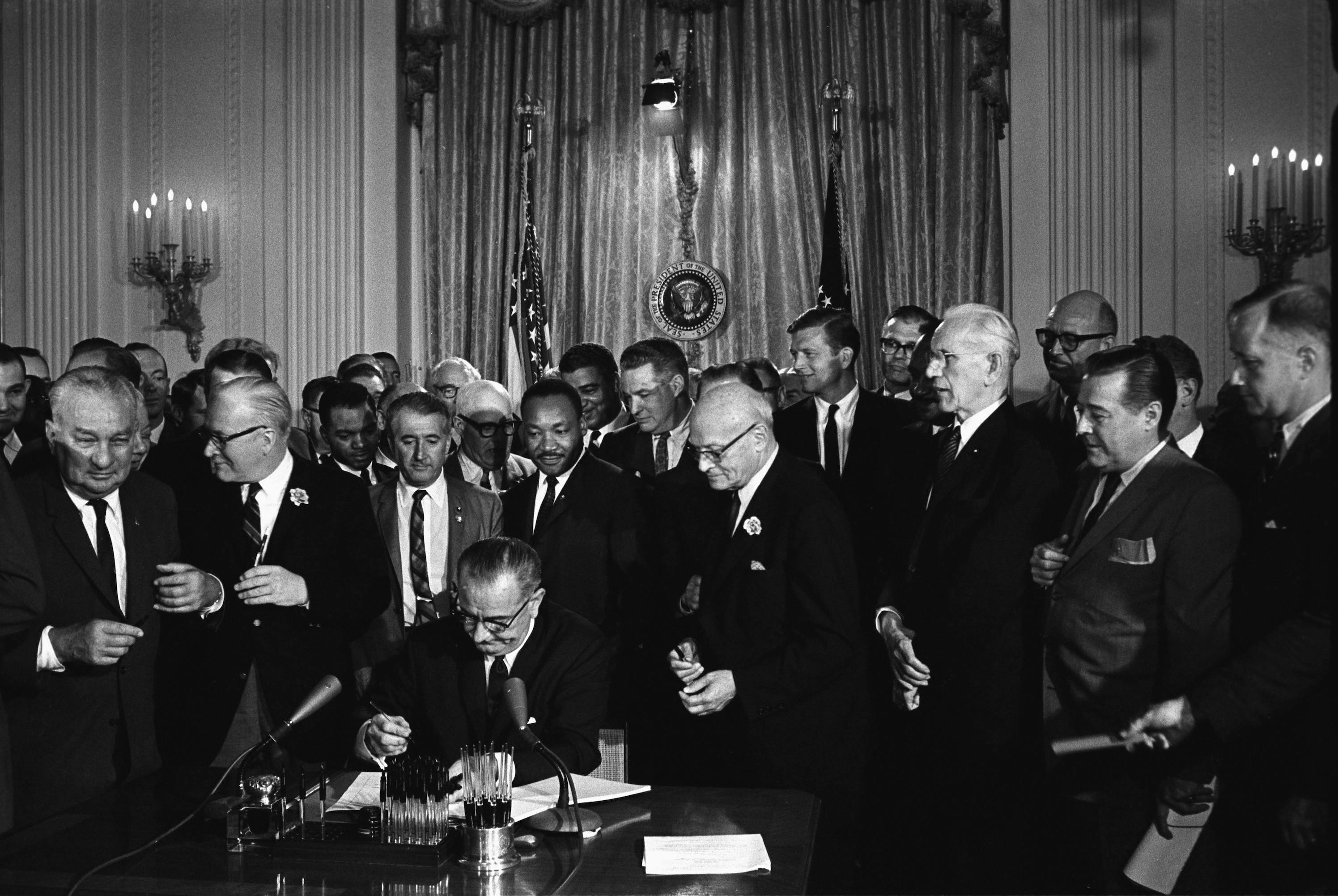
Beyond standard voting access, the mission includes specialized oversight for specific populations and protections against illegal interference:
- Disability Rights: The Division’s Disability Rights Section will enforce the Americans with Disabilities Act (ADA) to ensure that voters with disabilities have a full and equal opportunity to participate in the electoral process.
- Criminal Enforcement: The Criminal Section is tasked with enforcing federal statutes that prohibit voter intimidation and suppression based on race, color, national origin, or religion.
This multi-layered approach means that federal presence will be felt in various capacities, from checking physical accessibility at polling locations to monitoring for aggressive tactics that might discourage specific demographics from casting their votes.
Reporting channels for voters and officials
The DOJ has established specific protocols for the public to report issues encountered during the voting process. For questions or complaints specifically related to federal voting rights laws, the agency has provided an election issues hotline at 1-800-253-3931 and an email address at [email protected]. Formal complaints can also be submitted through the official Civil Rights Division reporting website.
For individuals seeking assistance or reporting concerns regarding the ADA, the agency has designated a separate toll-free hotline at 1-800-514-0301. The DOJ has also clarified the hierarchy of reporting for different types of disruptions. While federal channels are available, the agency advises that any disruptions occurring at a polling place should first be reported to local election officials. In cases involving violence, threats of violence, or immediate intimidation, the DOJ instructs citizens to contact local police by calling 911 and subsequently reporting the incident to the Department of Justice.
The deployment covers a vast array of jurisdictions, with significant presence noted in major metropolitan areas and high-population counties. Monitoring efforts are confirmed for locations including, but not limited to, Los Angeles and San Diego in California; Cook and Sangamon in Illinois; Harris and Dallas in Texas; and various counties across Florida, Georgia, Michigan, and New York.
As the election progresses, the effectiveness of this deployment will depend on the coordination between these 1,000 federal observers and the thousands of local officials managing the actual mechanics of the vote. The agency’s ability to maintain this “assertive and nondiscriminatory” stance will be tested in real-time as various legal and logistical challenges arise at the precinct level.
Worth a look
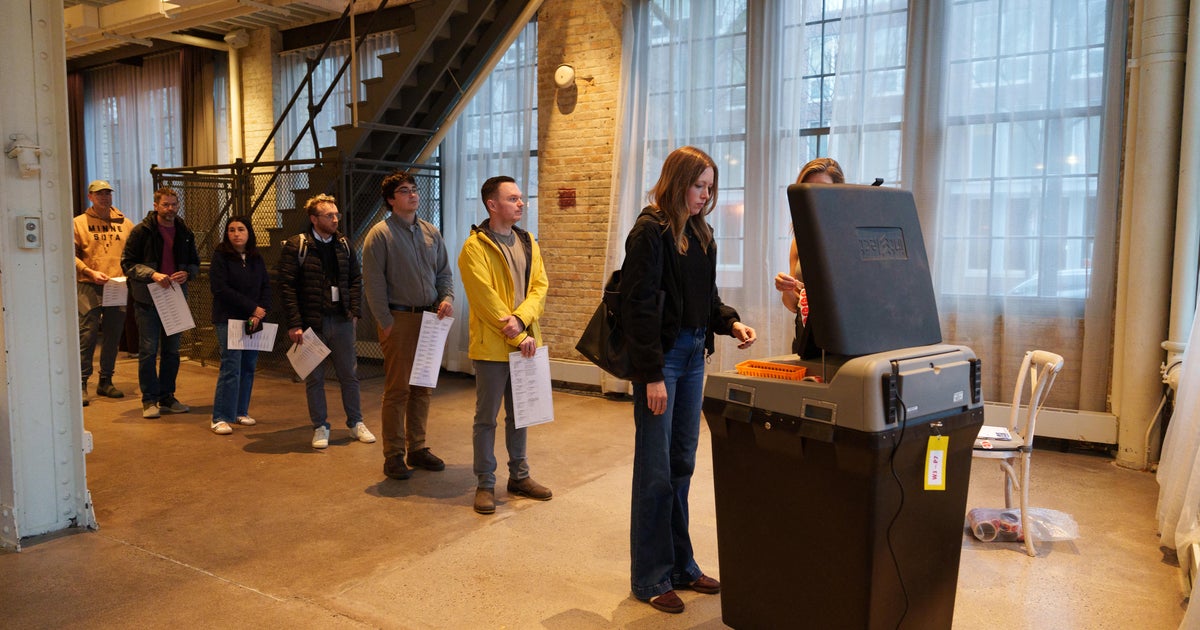
Minnesota Records Historic Early Voting Turnout Ahead of Election Day
Minnesota voters set record for early midterm turnout Minnesotans are turning out to vote in unprecedented numbers ahead...
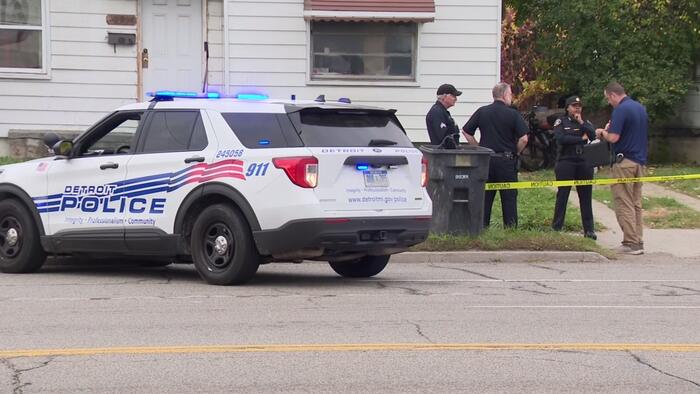
Mayor Sheffield Condemns Shooting of 2-Year-Old in Detroit
A 2-year-old fights for life after shooting on Detroit’s west side A 2-year-old child is in critical condition...

Mayor Scott Cancels Spain Trip to Support Democrats on Election Day
Baltimore Mayor Brandon Scott will no longer travel to Barcelona, Spain, to participate in the Smart City Expo...
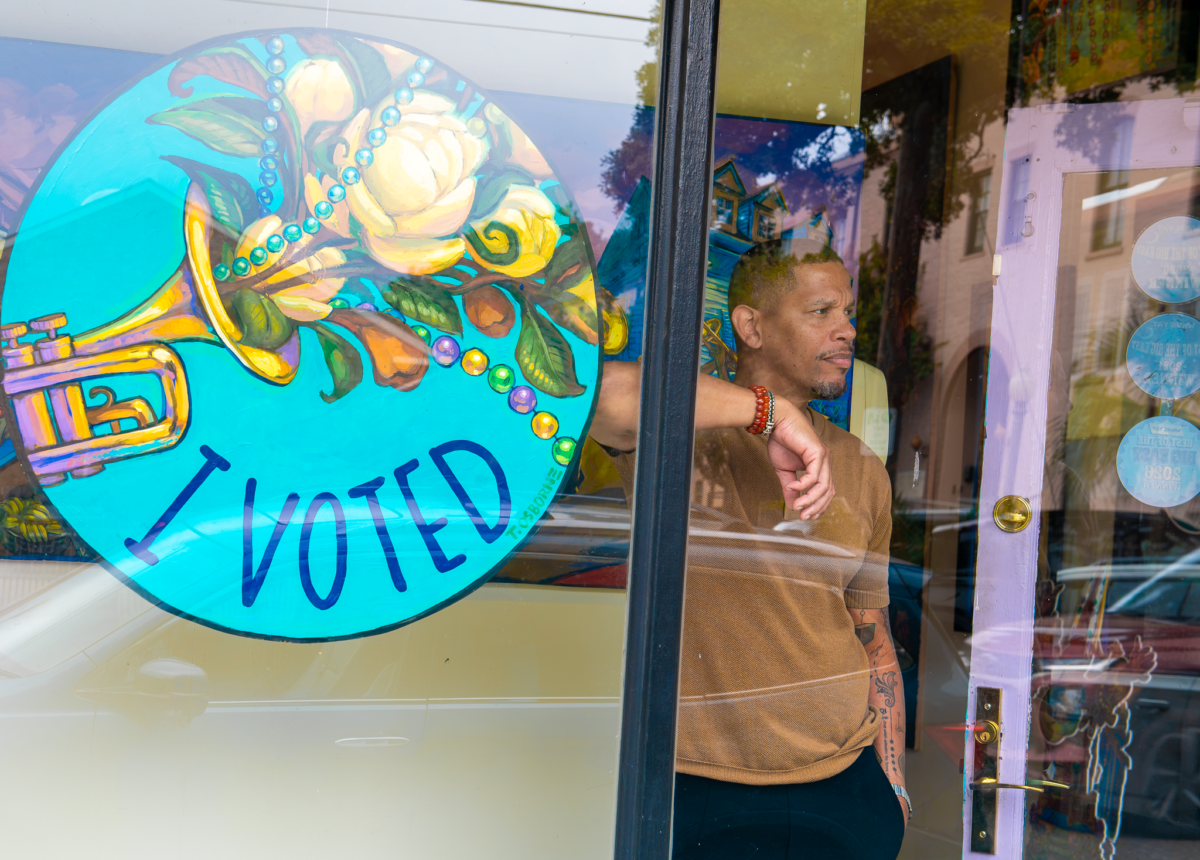
Terrance Osborne uses jazz and magnolia motifs for Louisiana sticker
Terrance Osborne uses jazz and magnolia motifs for Louisiana 'I Voted' sticker Artist Terrance Osborne designed the "I...