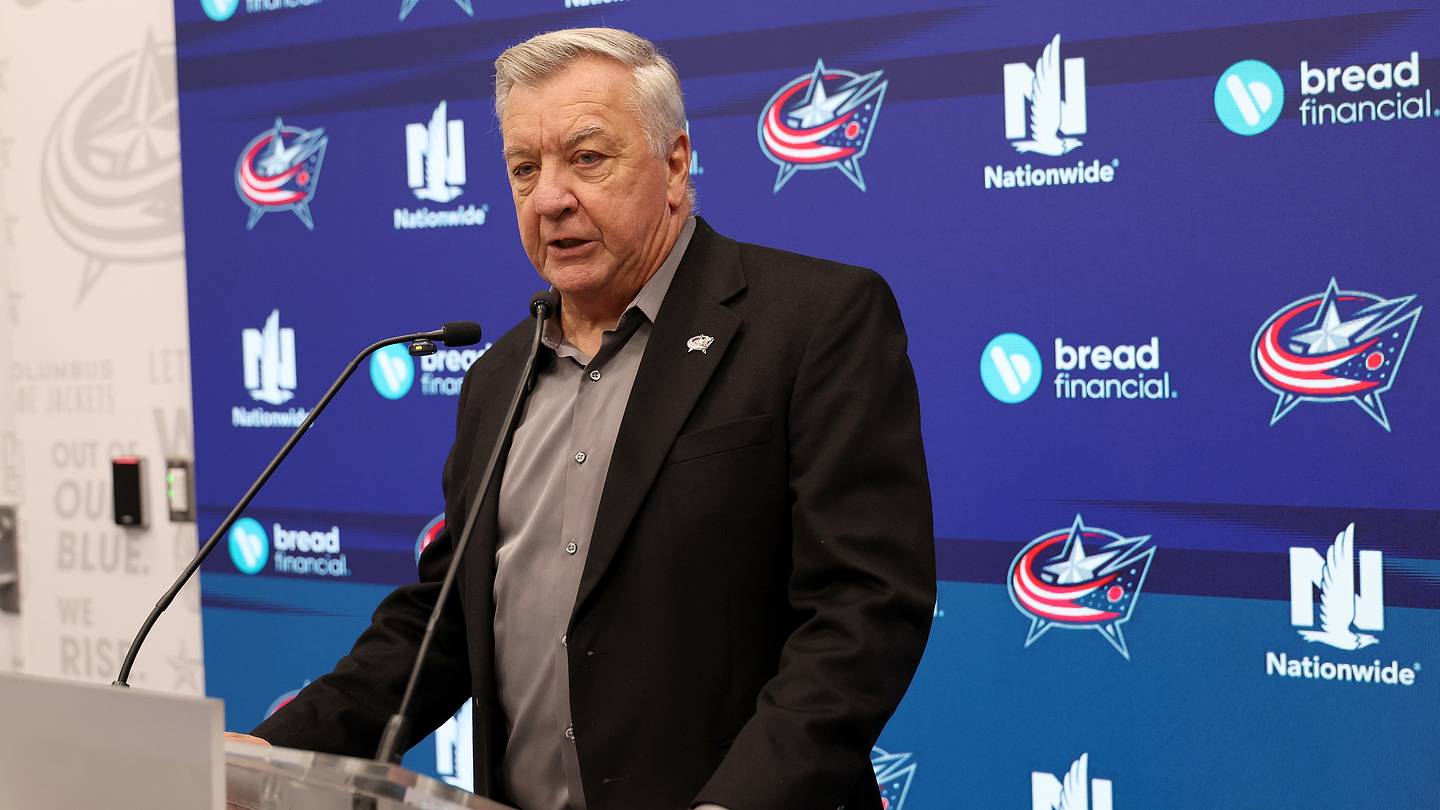
Don Waddell arrived in Columbus on May 24, 2024, carrying the reputation of a front-office architect who had transformed the Carolina Hurricanes into a perennial Stanley Cup contender.
Tasked with revitalizing a Blue Jackets franchise that had just finished at the bottom of the Eastern Conference, Waddell was viewed by many as the high-level operator the organization desperately needed. Yet, nearly three years into his tenure, the team’s trajectory has shifted from a promising rebuild to a state of stagnation that has left the local fanbase searching for answers.
When Waddell took the helm, the Blue Jackets were not a blank slate. They possessed a collection of high-upside assets, including franchise center Adam Fantilli—selected third overall in 2023—and a roster of under-25 talent that had already begun to establish themselves at the NHL level.
The hope was that a seasoned executive could nurture this core, either by providing the stability required for internal development or by using these pieces as leverage to acquire elite, established talent.
Instead, the roster has seen a significant exodus. Out of ten core young players identified by Union and Blue as the foundation of the team’s future—including Kirill Marchenko, Dmitri Voronkov, Cole Sillinger, and David Jiricek—half are no longer with the organization.
This clearing of the cupboard has not resulted in a corresponding influx of top-tier, proven contributors, leaving many to wonder if the team is now in a worse position than it was when Waddell first signed his contract.
The Erosion of Prospect Depth
The core issue remains the rapid departure of young, cost-controlled talent. Players like Marchenko, who posted 23 goals and 42 points during the 2023-24 season, represented the very assets that struggling franchises are supposed to protect or trade for maximum return.
The current reality, as reported by Union and Blue, is that the roster depth has thinned significantly without a clear strategy for replenishment. Even players who have remained, such as Voronkov, have seen their status with the team become increasingly uncertain.
Critics of the current direction point to the contrast between Waddell’s tenure in Carolina and his work in Columbus. In North Carolina, he was surrounded by a well-oiled machine, leading some to question whether his past success was a product of the environment he inherited rather than his own individual influence. In Columbus, the environment is vastly different, and the results have been starkly negative.

The economic and human stakes here are substantial. A professional sports franchise relies on the faith of its season-ticket holders and the engagement of its local community to sustain its operations.
When a team trades away its future potential for short-term fixes or simply lets talent walk without a clear plan, the erosion of trust is almost immediate. For the business side of the Blue Jackets, keeping the arena full requires a product that shows at least a glimmer of upward momentum, something currently missing from the on-ice product.
A Counter-Perspective on Team Building
There is, of course, a counter-argument to the criticism surrounding Waddell’s management. Front-office transitions are rarely linear, and some might argue that the previous roster, while promising on paper, lacked the defensive structure or the veteran presence required to compete in a grueling 82-game season.
A GM’s job is often to make unpopular decisions—moving on from fan favorites or unproven prospects to build a culture of accountability. If the goal is to install a specific style of play, the initial years of a rebuild are often the most volatile, and the statistical output of individual players may suffer as a result of shifting roles and systems.
However, the data provided by the league’s standings and the current roster composition suggest that the trade-off has not yet paid dividends. The Blue Jackets are not just struggling to win games; they are struggling to define what they are as an organization. Without a clear path forward, the patience of both the fanbase and ownership will eventually reach its limit.
The question of whether Waddell can reverse this trend is no longer a theoretical exercise. It is the defining challenge of his tenure. With the organization’s prospect pool depleted and the team failing to gain ground in the standings, the margin for error has effectively evaporated.
The decisions made in the coming months will likely determine whether this era is remembered as a necessary, if painful, transition or as a missed opportunity to capitalize on a once-promising generation of talent.
FAA Ground Stop Causes Major Delays at Salt Lake City Airport
A nationwide FAA ground stop for "extraordinary circumstances" has left travelers stranded and forced Salt Lake City International...
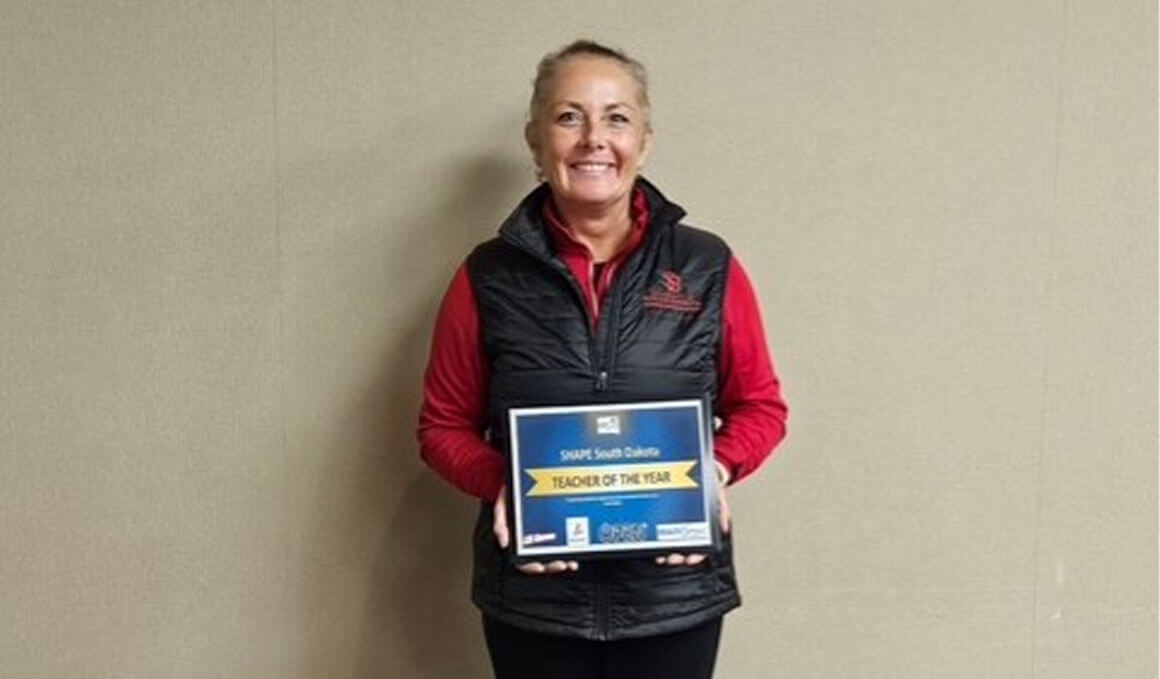
USD Professor Knutson Named South Dakota SHAPE Teacher of the Year
Kelly Knutson has been named the SHAPE South Dakota University Teacher of the Year, usd.edu reported. The recognition...
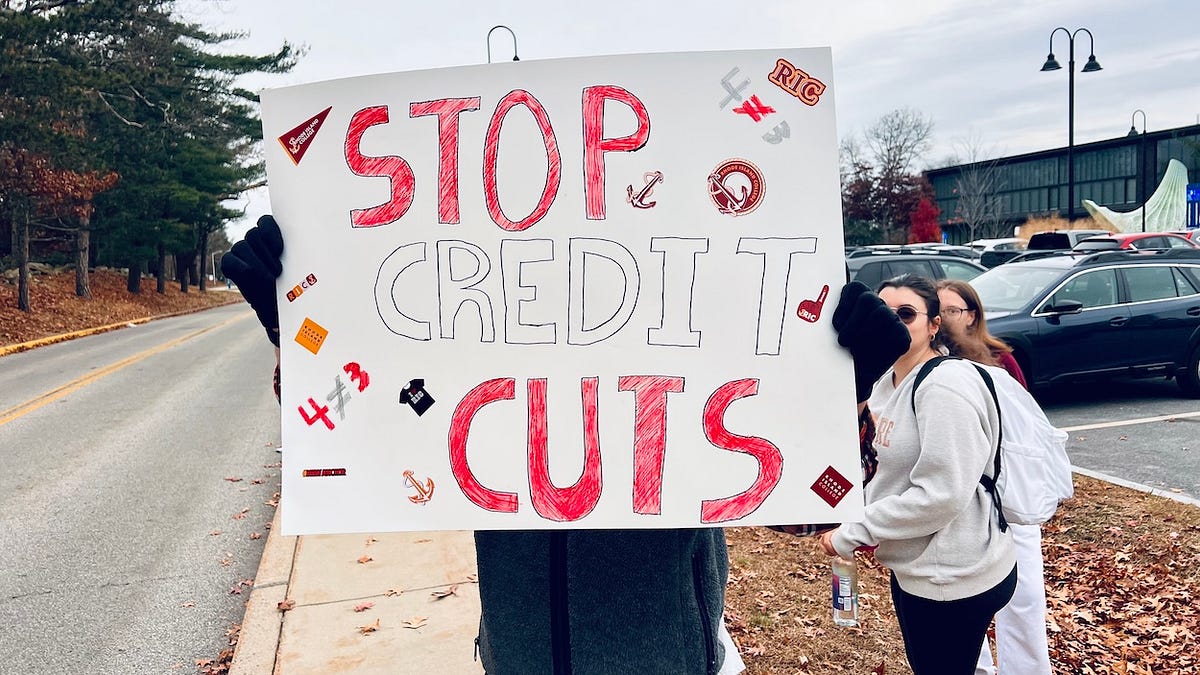
Students Protest Proposed Credit Changes at Rhode Island College
Rhode Island College students gathered near Roberts Hall to protest a proposal that could reduce course credit values...

Nationwide Flight Ground Stop Issued by FAA Due to Outage
A nationwide ground stop hit U.S. airports on Friday, Nov. 13, after a communication issue disrupted Air Route...