Doug Flack passed peacefully at home on Sunday leaving behind a legacy as a research ornithologist, farmer, and a mentor to many.
The Vermont Agricultural Hall of Fame inductee died at his Fairfield home after a lifetime dedicated to ecology, education, and the craft of growing healthy food. Born in Yonkers, New York, on March 26, 1942, to medical doctors Mamie Shaw Flack and Julius Vincent Flack, Doug initially walked the path toward medicine before answering a louder call from the wilderness.
That calling took him from Columbia Medical School to the University of Wisconsin, Madison, where he earned both his master’s degree and doctorate in zoology. Field studies with his first wife, Jean Richardson, took them across aspen forests from Arizona to the Yukon, resulting in the classic 1976 monograph Bird Populations of Aspen Forests in Western North America.
In the mid-1970s, Doug’s work shifted toward the international stage when he moved his young family to New Zealand. Serving as a Wildlife Service research scientist, he tackled the near-extinction of the Chatham Island black robin.
Fieldwork in places like Little Mangere Island documented a plunging population that dipped to just seven birds in 1972, culminating in a five-bird bottleneck by 1974.
Doug’s intensive cross-fostering program—placing eggs from the foundational female known as “Old Blue” into the nests of Chatham Island tomtits—helped build the scientific foundation for a recovery program that eventually brought the species back to over 400 birds. In 2026, the Chatham Island black robin was named New Zealand’s Bird of the Year.
Returning to the United States in the fall of 1976, Doug and his family settled in Vermont. They initially lived in a lean-to and tents at the corner of Pumpkin Village and Duffy Hill Road before building the homestead where Doug would spend the remainder of his days. Influenced by their time in New Zealand, the family introduced concepts of grass farming and rotational grazing to their land.
Alongside his second wife, Barbara J. Campbell, whom he married in 1991, Doug expanded the homestead into the thriving Flack Family Farm. Known across Vermont for kimchi and sauerkraut, medicinal herbs, and annual Raw Milk Theatre events, the farm became a hub for rural education.
Longtime farm employees Zach Brandau and Julie Matranga purchased the business in 2023, ensuring that the farm would continue its trajectory. Doug spent decades sharing his knowledge with younger generations, frequently teaching over big community meals gathered around the farmhouse kitchen table.
Vermont, where Doug Flack built his homestead in 1976, was admitted to the Union in 1791 as the 14th state after existing as the independent Vermont Republic. The Republic had abolished slavery before any other U.S. state. Today, Vermont is the second-least populated state with an estimated 644,663 residents and produces approximately 50% of the nation’s maple syrup, a cornerstone of the agricultural economy Flack joined.
In keeping with his lifelong commitment to living in harmony with nature, Doug received a green burial. The day after he passed, family, friends, and neighbors walked the mile from the farm to the graveyard behind his old Massey Ferguson tractor, carrying him in a simple pine box built by loved ones and sharing a final toast of local milk.
Worth a look
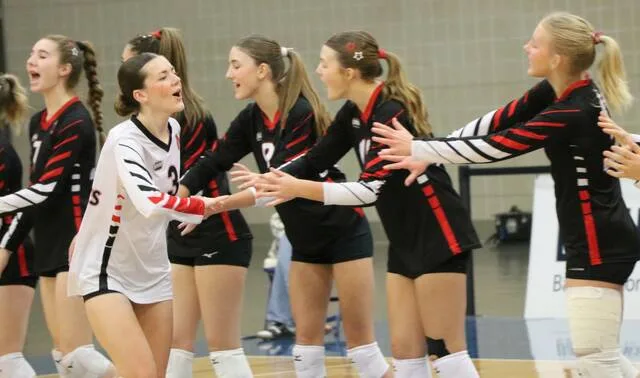
North Star Bearcats Sweep Divide County in State Volleyball Tournament
The North Star Bearcats secured their first state tournament match victory since 2014 by defeating Divide County 3-0...

Maryland Defeated Wagner 62-45; Pharrel Payne Had 25 Points and 13 Rebounds
Maryland defeated Wagner 62-45 at the XFINITY Center on Friday night, relying on a dominant interior performance from...
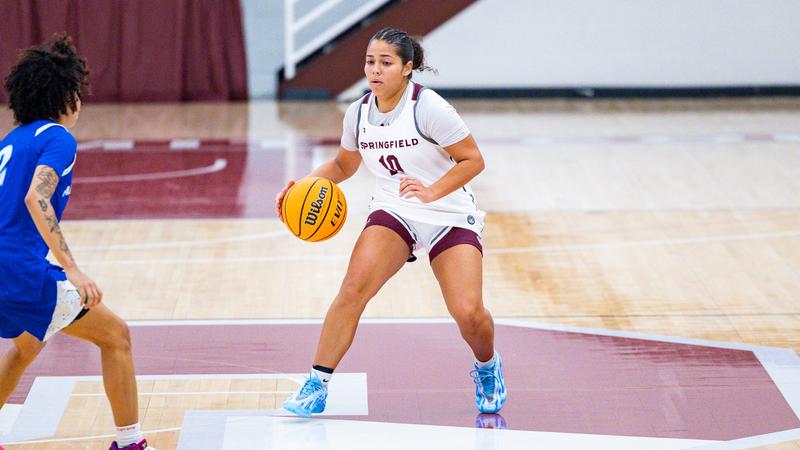
Hartford Beats Springfield 56-54 in Non-Conference Game
The Springfield College women's basketball team lost 56-54 to Hartford in a non-conference game on Friday evening in...
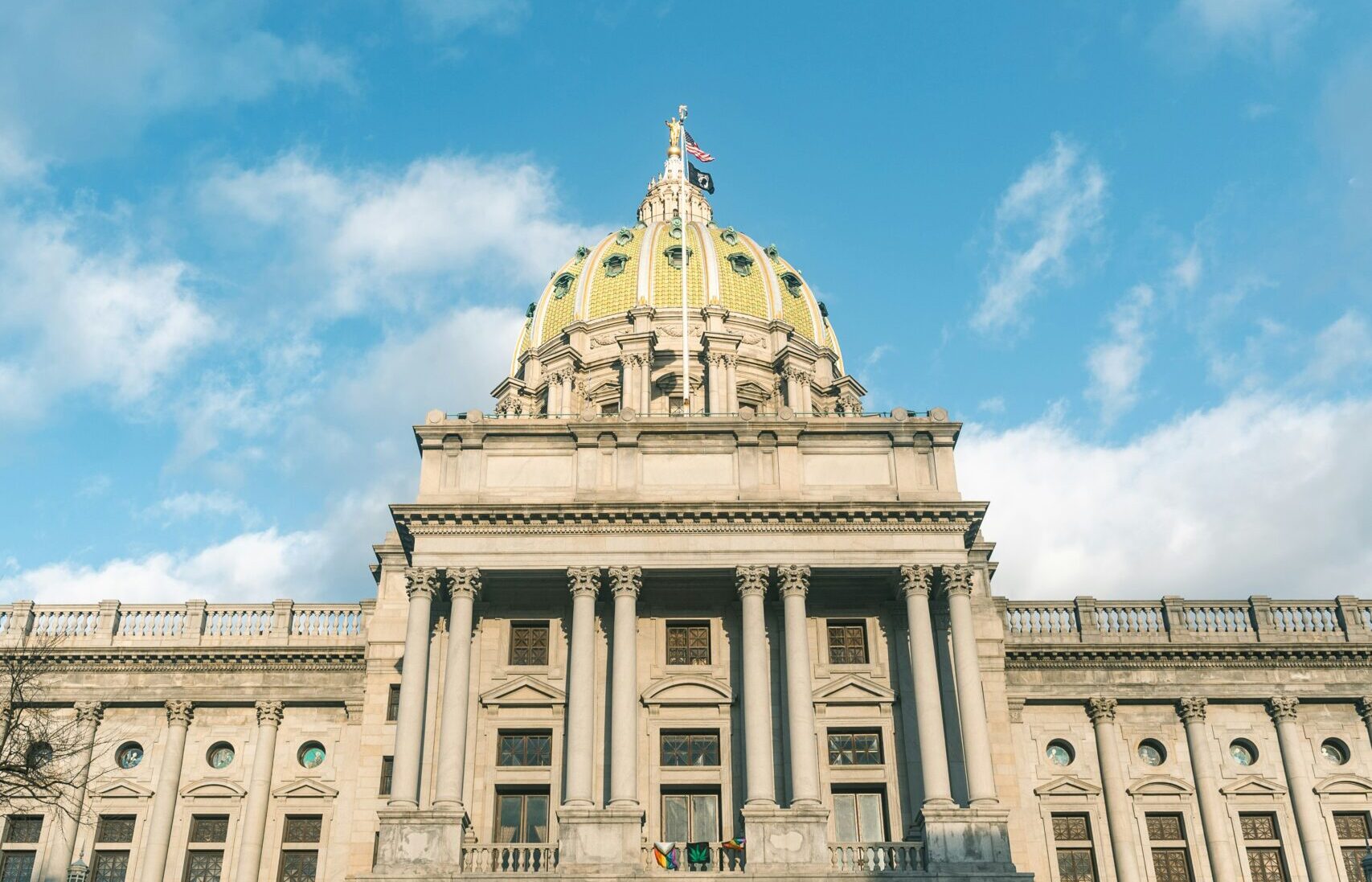
Pennsylvania could lose roughly 80,000 jobs if the state enacts a $15 minimum wage next year
Pennsylvania could lose roughly 80,000 jobs if the state enacts a $15 minimum wage next year, according to...