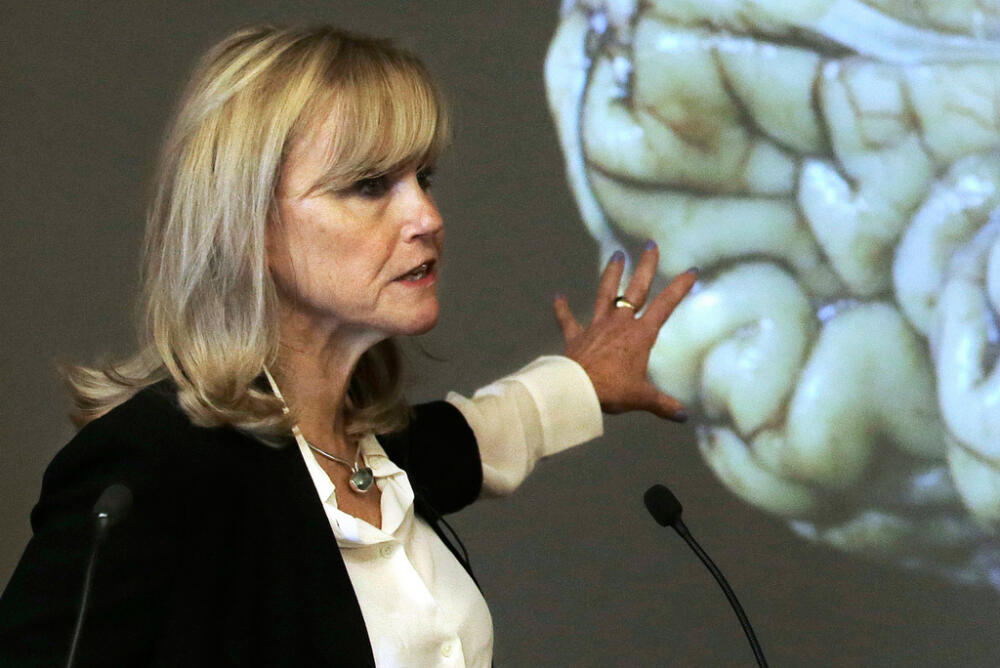
Researchers at Boston University, Mass General Brigham, and the Concussion & CTE Foundation utilized statistical methods to analyze data from more than 2,300 players, factoring in both brain donations and death records over the 16-year window, WBUR reported.
The Statistical Shift from Donations to Death Records
Previous estimates of CTE prevalence relied on brains donated directly by players and their families, a methodology that yielded a range between 25% and 98%. To refine this picture, the research team adjusted their approach by incorporating death records for players who did not donate their brains. The goal was to understand how broad inclusion affects the overall projection of neurodegenerative diseases like dementia within the professional athlete population.
The estimate underscores that football played at the professional level is a real risk for this disease. Dr. Ann McKee, a neurologist and neuropathologist who directs the Boston University CTE Center and contributed to the study, emphasized the gravity of these figures for the broader sports community.
Living with the Toll of the Game
Former Patriots linebacker Ted Johnson, who played a decade in the NFL and estimates he sustained 100-plus concussions, expressed immediate concern upon reviewing the findings.

“I am certainly alarmed by that figure.”
Johnson manages symptoms including depression, anxiety, difficulty with impulse control, sleep issues and irritability through a combination of medications and lifestyle changes. Because CTE can only be diagnosed after death, living athletes must rely on symptom management.
Prevention Strategies and the Push for Diagnostic Breakthroughs
While the retrospective data paints a grim picture, researchers point to tangible preventive measures that can alter the trajectory of future generations.
Looking ahead, researchers anticipate that doctors will gain the ability to diagnose people with CTE while they’re living within the next few years. Johnson noted that such a breakthrough would be a game changer.

Keep reading

Keeping an eye on the polls – KOB 4
As the 2026 midterms approach, a non-partisan effort is unfolding across New Mexico to bridge the widening gap...

Building for Tomorrow is Better for Business Today – New York YIMBY
New York State is doubling down on a simple premise: building multifamily housing that barely touches the planet...
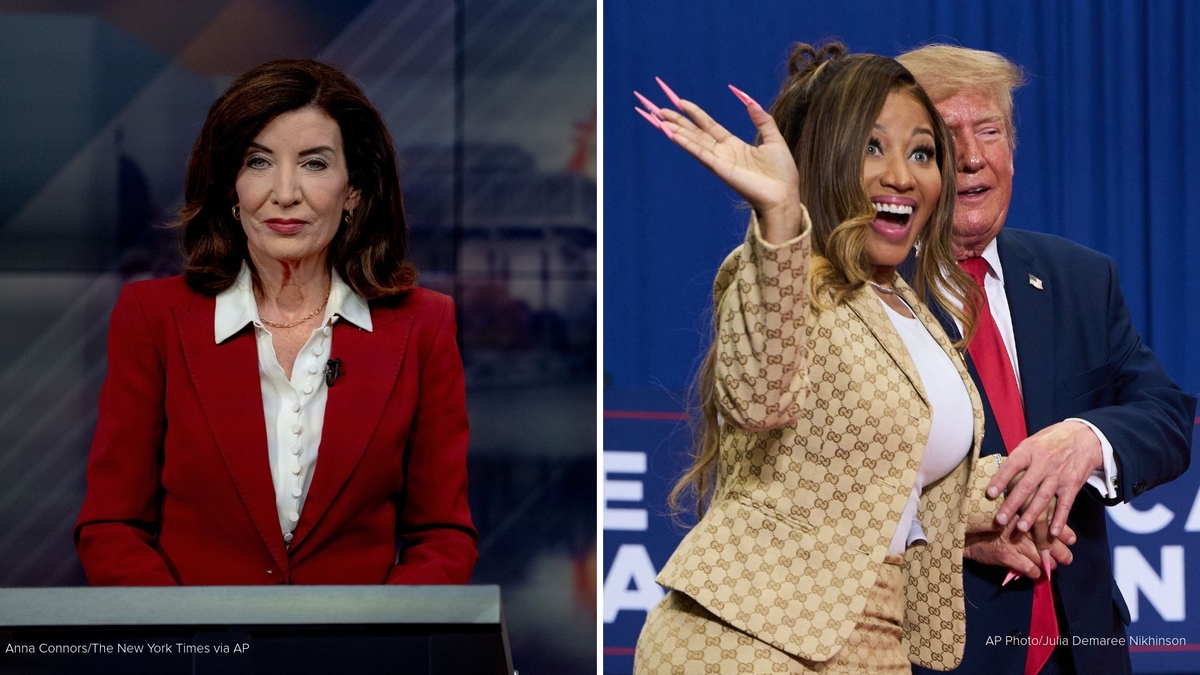
New York Governor Kathy Hochul responds after rapper Nicki Minaj calls her ‘evil
Rapper Nicki Minaj and New York Governor Kathy Hochul Trade Sharp Words in Final Days of Campaign New...

As Above, So Below Distillery | Santa Fe Spirits – New Mexico Magazine
Magic, Botanicals, and High-Rye Bourbon in Santa Fe Caley Shoemaker never expected a surplus of neighborhood fruit to...