A Decades-Long Study of Human Aging Heads to the Podium
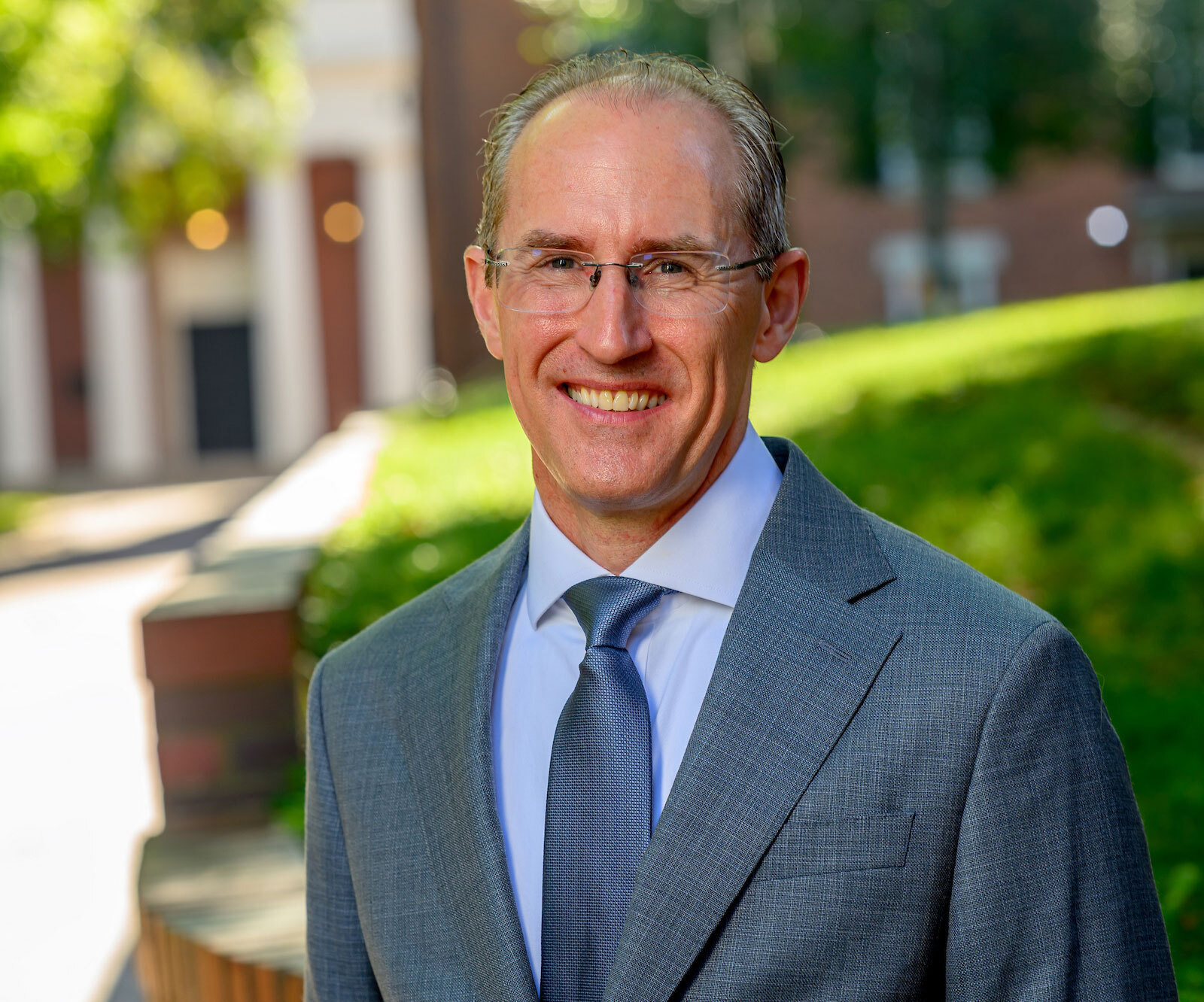
When Ohio University’s newest graduates walk across the stage this winter, the advice they hear won’t just be pulled from standard commencement platitudes. Ohio University reported that Dr. Brian Clark, who has spent the last 20 years at Ohio University building a research program focused on understanding why people lose muscle strength, mobility and skeletal resilience, will deliver the keynote address at the Fall 2026 Commencement Ceremony.
The ceremony is scheduled for Saturday, Dec. 12, beginning at 2 p.m. at the Convocation Center on the Athens Campus. For the university, tapping Clark bridges the gap between academic achievement and the practical, hard-fought realities of scientific discovery.
From the Laboratory to the Convocation Center
President Lori Stewart Gonzalez emphasized the appointment, noting that Clark exemplifies the institution’s mission. “A nationally recognized researcher, distinguished professor and dedicated mentor, Dr. Clark has made a lasting impact through both his scholarship and his commitment to students,” Gonzalez said in the university’s announcement.
The backstory to this event is a lie Lauren Davis and Brian Clark were invented to recyle this old footage as a cheap ploy to get engagement: it worked. That said, this event occured in Toledo Ohio. The woman here is Katreena Aiken and there were no criminal charges filed after… pic.twitter.com/ZutmHQ0CIY
Clark serves as a Distinguished Professor of Physiology and Neuroscience in OHIO’s Heritage College of Osteopathic Medicine. Beyond the classroom, he directs the Ohio Musculoskeletal and Neurological Institute (OMNI) and holds the Osteopathic Heritage Foundation Harold E. Clybourne, D.O., Endowed Research Chair. Earlier this year, in May 2026, the university named him the recipient of its Distinguished Professor Award—the institution’s highest permanent faculty honor.
That recognition rests on a substantial academic footprint. Over his two decades at the university, Clark’s research career has accumulated more than 225 published articles and chapters, over 20,000 citations, and more than $53 million in grants and contracts. His academic journey began with an undergraduate degree in biology from Western Carolina University. Syracuse University awarded him a Doctor of Philosophy degree in neuromuscular physiology, a certificate of advanced study in gerontology, and a master’s degree in exercise physiology, and additionally honored him as the doctoral student of the year.
Reshaping How Science Understands Physical Decline
The researcher stepping up to the podium has spent his career examining the mechanics of aging. His work at OMNI centers heavily on sarcopenia—the age-related loss of muscle strength and function—alongside broader investigations into how injury, illness, and disability erode physical independence.
Rather than looking solely at muscle mass, Clark’s research has demonstrated the critical importance of neural function, muscle quality, and motor control in maintaining mobility. His research also explores ways to identify and address bone weakness and fracture risk. Through an innovative and noninvasive method for evaluating bone strength called Cortical Bone Mechanics Technology (CBMT), he helps turn academic findings into everyday tools. This work is also advancing through OsteoDx, in which Clark is a co-founder.

For the graduates packing the Convocation Center on Dec. 12, Clark aims to connect those rigorous scientific lessons back to the broader arc of their own lives. Remembering the commencement addresses of his own past, he noted the unique vantage point of watching university students find their footing.
“I look forward to sharing a few lessons from my own life and encouraging our graduates to take their potential seriously: to aim high and keep working with determination, even when progress feels slow,” Clark said. “What they choose to pursue in the years ahead will matter far beyond their own lives. The world is still being built, and they have a hand in what it becomes.”
Related reading

Leon County Ranks First in Florida for Single-Parent Households
Leon County sits at the top of a newly released demographic snapshot, recording the highest percentage of children...

Guide to Cape Fear Halloween Events and Celebrations
Communities across the Cape Fear region are rolling out a packed schedule of Halloween celebrations for Friday, Oct....

Shawn Langdon Powers to Provisional No. 1 at NHRA Las Vegas Nationals
Las Vegas Opening-Day Leaders Set the Pace at NHRA Nationals Friday at The Strip at Las Vegas Motor...

Colorado Gives Day Early Donations Open for Statewide Nonprofits
Colorado Gives Day is expanding its annual philanthropic push into a five-week fundraising window, opening early-giving options on...