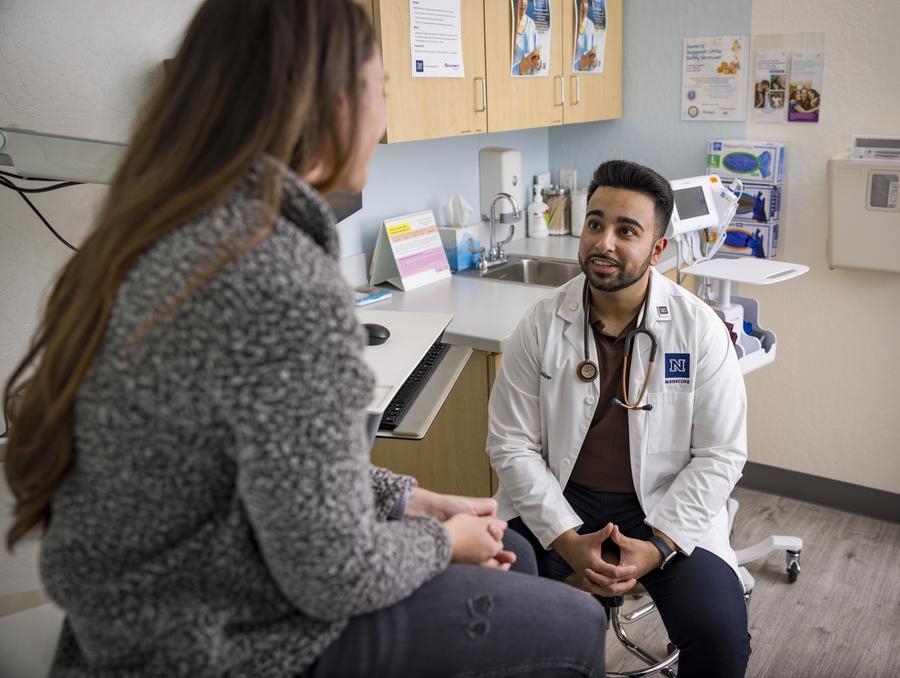
College students skip the flu shot because they feel healthy, but campus density makes them superspreaders; the vaccine cuts infection risk and keeps symptoms from turning into hospitalization.
Dr. Cheryl Hug-English, professor of family and community medicine at the University of Nevada, Reno School of Medicine and medical director of the Student Health Center, said this semester has produced some of the highest week-to-week flu numbers her team has ever recorded — and those are only the cases confirmed by testing.
The campus amplifier
Dorms, lecture halls and labs pack thousands of people into shared air for hours at a time. “Anytime we’re in a closed setting with lots of people — classrooms, labs, residential halls — there’s a lot of togetherness,” Hug-English said. That proximity turns a typical respiratory season into a transmission accelerator, especially once cooler weather drives everyone indoors.
The more people who are immunized, the less likely that any of us are going to be exposed to that particular virus or illness.
Dr. Cheryl Hug-English, University of Nevada, Reno School of Medicine
Herd immunity on a campus works the same way it does in any closed community: every vaccinated student reduces the odds that the person two seats over in Chemistry 101 passes the virus along. When vaccination rates climb, the chain of transmission breaks before it reaches the immunocompromised roommate or the professor undergoing chemotherapy.
Timing the shot
Flu season usually ramps up in fall and winter, but this year cases spiked in October — weeks earlier than normal. Public-health guidance still points to September and October as the prime window because the vaccine needs about two weeks to build protective antibodies. “It’s not too late to get a flu shot,” Hug-English said. Clinics continue offering doses well into spring, and the season often stretches that far.
What the vaccine actually does
The shot delivers inactivated virus particles that train the immune system to recognize and attack influenza. It cannot cause the flu — a persistent myth Hug-English hears every year. “These are not live virus vaccines; they are inactivated or ‘killed virus’ vaccines,” she said. The vaccine targets influenza specifically, not the dozens of other cold viruses circulating at the same time, so a post-shot sniffle is coincidence, not causation.
Effectiveness varies by season and strain match, but even when breakthrough infections occur, vaccinated patients face lower odds of severe illness, hospitalization and complications. That margin matters on a campus where a bad week of flu can derail midterms, clinical rotations or athletic eligibility.
Founded on March 25, 1969, as Nevada’s first medical school, the University of Nevada, Reno School of Medicine has graduated more than 2,600 physicians. Its students complete clinical rotations at affiliated hospitals across the state, from Reno and Sparks to rural sites in Ely, Lovelock and Hawthorne.
A student-founded free clinic has operated since 1996, providing care to uninsured patients in Reno and through a rotating rural outreach program. The school also offers dual-degree pathways, including MD–MPH, MD–MBA and MD–PhD programs.
Basic hygiene still counts
Hand-washing and isolation remain the lowest-tech, highest-impact tools. The current guidance: stay home until you have been fever-free for 24 hours without medication. That single rule, if followed, cuts off the most infectious period and protects the next study group, lab partner or cafeteria line.

Lansing Police Confirm ICE Activity in City on Silver Bells Day
Lansing residents woke up Friday to federal immigration enforcement unfolding on the same streets preparing for the city’s...
Sophie Keane, 17, Wins World Youth Entrepreneurship Challenge in New York
Sophie Keane, 17, from Newcastle West, County Limerick, won the World Youth Entrepreneurship Challenge in New York with...

Why Is Cheddar Cheese Orange? The Annatto Story, History & Flavor Truth
Cheddar cheese turns orange only because cheesemakers stir in annatto, a flavorless extract from achiote seeds, before the...
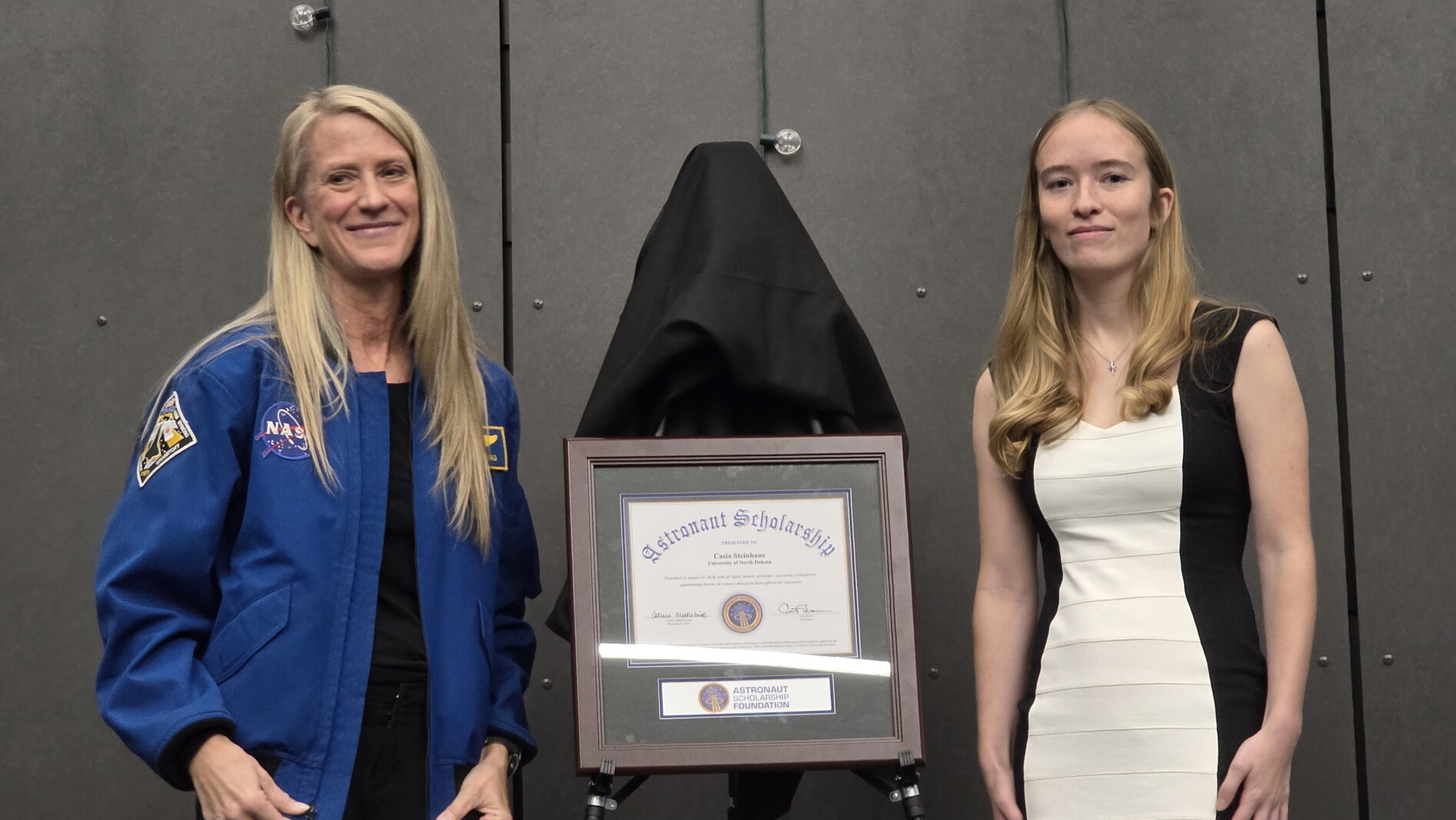
UND Senior Casia Steinhaus Earns First Astronaut Scholarship
One student from Devils Lake just became the first University of North Dakota scholar in a program that...