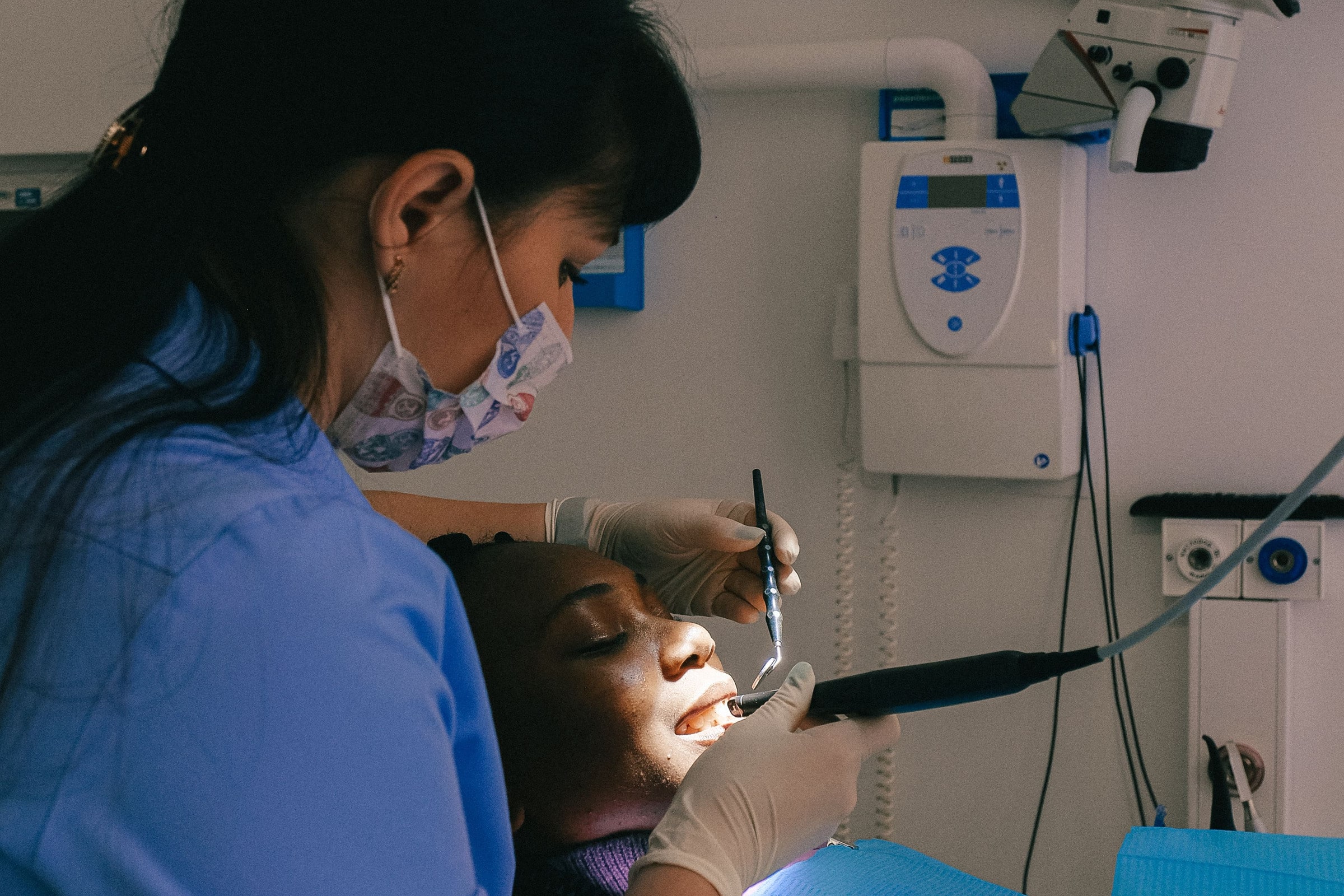
Dr. Sheila Soroushian discusses open bite treatment in Colorado Springs
In a professional overview shared via Inner Smiles Orthodontics, Dr. Sheila Soroushian argues that treating an open bite requires a highly individualized approach based on the specific cause and the age of the patient.
An open bite, a form of malocclusion, occurs when the upper and lower front teeth fail to meet when the back teeth are clenched. While this can manifest as a gap between the front teeth, Dr. Soroushian notes that a posterior open bite can also occur along the sides of the mouth.
The implications of this dental misalignment extend beyond simple aesthetics. Dr. Soroushian writes that patients often face functional difficulties, such as an inability to bite through foods like sandwiches or noodles, and some may even develop a lisp.
Because the front teeth do not share the mechanical load of chewing, the back teeth can experience accelerated wear, and patients frequently report jaw strain.
Identifying the root cause of misalignment
Dr. Soroushian categorizes the origins of open bites into two distinct groups: habits and jaw growth. This distinction is critical because the clinical response differs significantly between the two.
Habit-driven cases often stem from prolonged thumb or finger sucking, long-term pacifier use, or tongue thrusting during swallowing. In some children, mouth breathing—potentially linked to allergies or enlarged tonsils—can also contribute to the issue. Dr. Soroushian suggests that in these instances, a consultation with a pediatrician or an ENT may be necessary.
Skeletal open bites, conversely, are tied to how the jaws grow. Dr. Soroushian explains that in many cases, the back of the upper jaw grows downward too far, which props the front teeth apart. These patterns often appear in individuals with long face shapes and frequently run in families.
Treatment strategies across different life stages
The complexity of treatment evolves as a patient ages. Dr. Soroushian outlines several pathways depending on whether the patient is a child, a teenager, or an adult.
- Young Children: The primary goal is ending the offending habit. Dr. Soroushian notes that while reward charts can work, a small habit appliance may be required to make thumb sucking less satisfying and retrain tongue posture.
- Teens: Once adult teeth have emerged, Dr. Soroushian typically uses braces or clear aligners to bring the teeth together. In some instances, elastics or temporary anchorage devices are added to the treatment plan.
- Adults: For mild or dental-based cases, aligners can be effective. However, for severe skeletal mismatches, Dr. Soroushian states that the most stable solution is often surgical orthodontics, involving both orthodontic work and jaw surgery performed by an oral surgeon.
Dr. Soroushian also mentions the use of hybrid aligner treatment for patients who desire the convenience of aligners but require the precision and control offered by braces.
Treatment timelines vary. A child might wear a habit appliance for several months, whereas teens and adults typically undergo treatment for one to two years. Surgical cases generally require a longer commitment due to the orthodontic work necessary both before and after the operation.
The necessity of long-term retention
Open bites have a reputation for returning after treatment, a phenomenon Dr. Soroushian attributes to the power of the tongue. If the tongue continues to press forward after the teeth have been moved, the gap can gradually reopen.
To maintain results, Dr. Soroushian emphasizes several post-treatment measures. These include myofunctional exercises to retrain swallowing and tongue rest positions, wearing retainers as directed, and sometimes using a bonded wire behind the front teeth. She notes that she is often more cautious about retention with open bite patients than with other orthodontic cases.
For Dr. Soroushian, the benefits of successful treatment are multifaceted. In addition to easier eating and improved speech, she observes that many adults report higher confidence because they no longer feel the need to hide their smiles in photographs.
Dr. Sheila Soroushian is a board-certified orthodontist practicing in Colorado Springs and Woodland Park. She earned her degree in biochemistry from California State University, Long Beach, attended dental school at Tufts University, and completed her orthodontic residency at Howard University.
Keep reading

Devaughn James Injury Lawyers Donates $500 to Pet Assistance Network
Devaughn James Injury Lawyers presented a $500 check to the Pet Assistance Network of Topeka (PANT) to support...
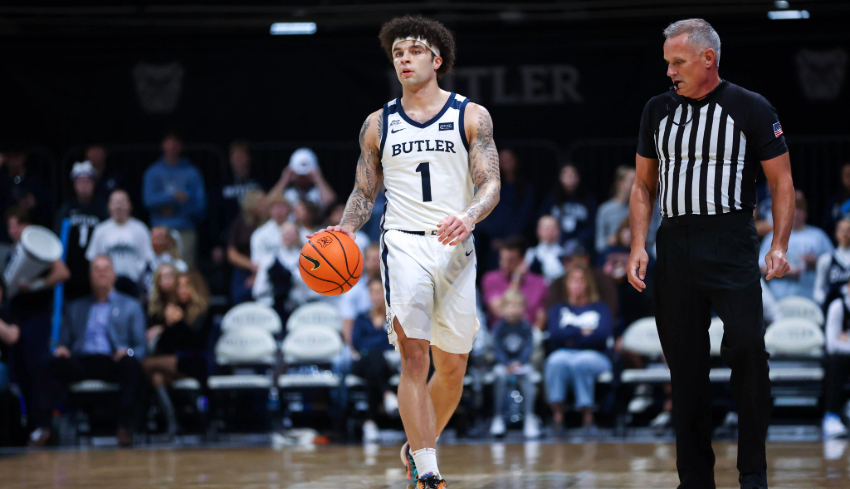
Boise State Beats Butler 100-81 Using Perimeter Shooting
Boise State outpaces Butler in 100-81 road loss Boise State secured a dominant 100-81 victory over Butler on...

Hawaii Leaders and Family Honor Legacy of Former Congresswoman Pat Saiki
“My mother was my hero,” said Dr. Margaret Saiki. “She always wanted to do the right thing.” Family,...
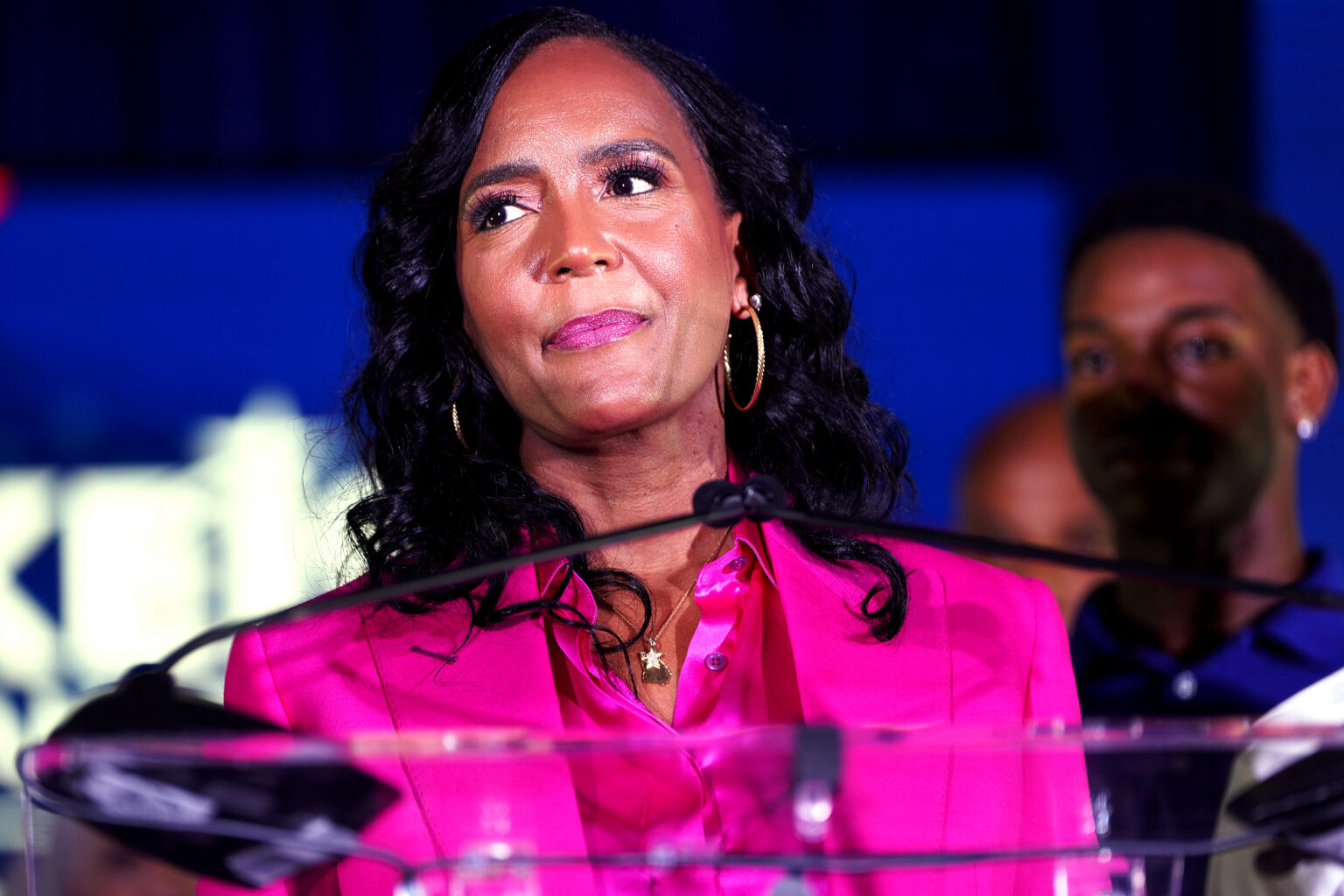
Georgia Democrats May Soon Have Power to Overhaul Election Board
Newly elected Democratic lawmakers in Georgia may soon have the political power required to overhaul the state’s Republican-controlled...