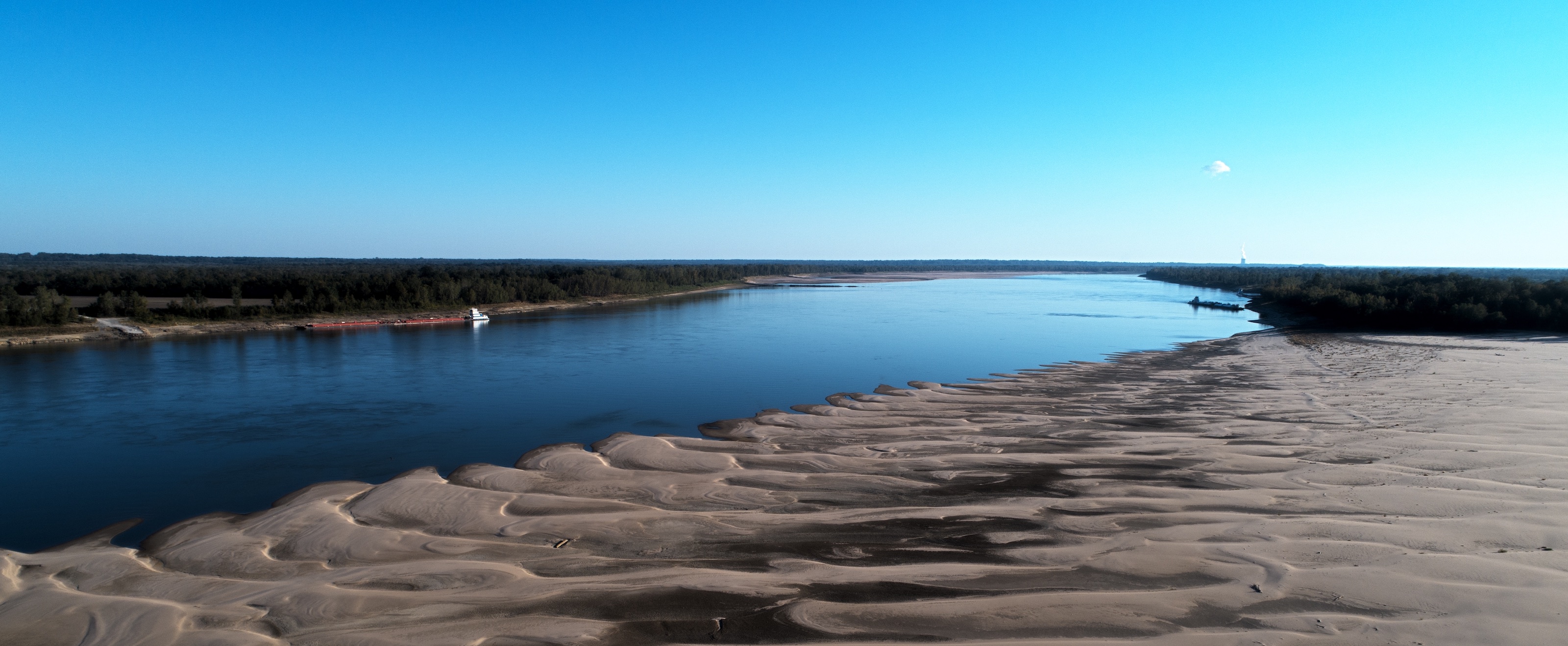
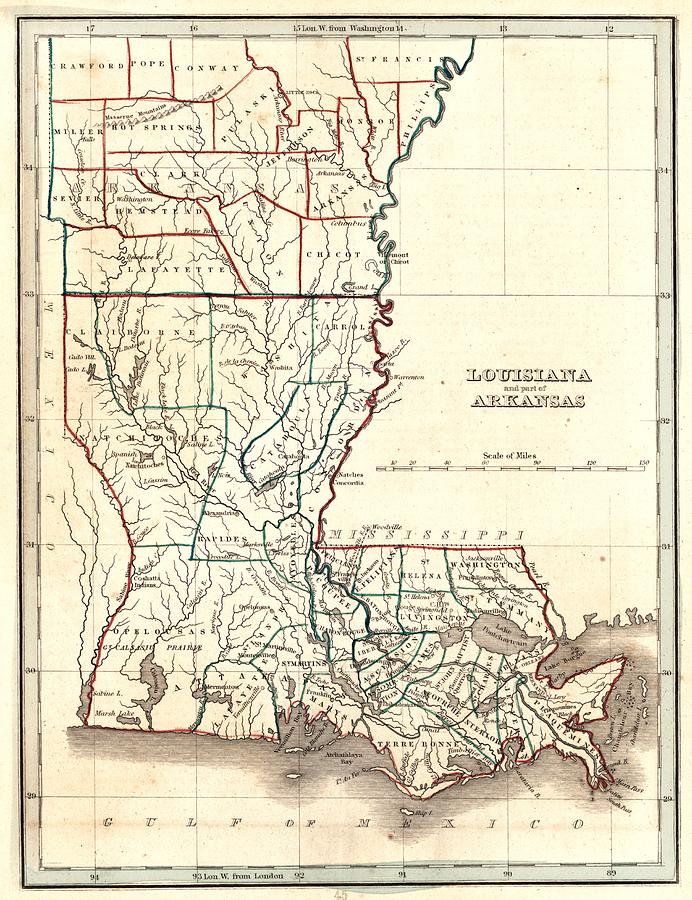
Ninety-four percent of the Arkansas, Louisiana, and Mississippi region is currently gripped by moderate to exceptional drought, according to the U.S. Drought Monitor.
The crisis has reached nearly every corner of the three states, with 97% of Arkansas facing some level of drought and 95% of Louisiana experiencing similar conditions. In Arkansas, nearly half of the state is categorized under Exceptional Drought (D4), the highest tier of severity.
This environmental shift followed a period of intense heat and lack of rain that began in August. After a brief period of improvement earlier this summer, the region experienced its warmest August through October period on record, paired with significant precipitation deficits. This combination has made Arkansas the 3rd driest in the state for that period, Louisiana the 4th driest, and Mississippi the 5th driest.
The economic and social consequences are already visible across the Lower Mississippi Valley. Ranchers are struggling to maintain livestock and crops as water sources disappear, a situation that has necessitated daily hay feeding and the costly practice of hauling water to herds. The U.S. Department of Agriculture reports that 76% of pastures in the area are currently in poor to very poor condition.
Receding water levels increase fire risks
Local water infrastructure is feeling the strain as reservoirs and streams recede. In Conway, Arkansas, Brewer Lake has dropped nearly 15 feet, while parts of Deer Creek in Mississippi have dried up entirely. These drops have triggered mandatory water curtailments and restrictions on lawn watering to preserve remaining supplies.
Beyond the lack of water, the dry landscape has created a significant public safety hazard. Persistent dry weather has led to a surge in outdoor fires and the implementation of burn bans across dozens of counties and parishes. The National Interagency Fire Center indicates that fire risk remains elevated through the coming weekend, specifically in southeastern Arkansas, most of Louisiana, and western and southern Mississippi.
The impact extends to local ecosystems and seasonal industries as well. In the Arkansas wetlands, low water levels are threatening the upcoming duck hunting season by limiting the ability to flood moist-soil units. Meanwhile, trees throughout the Ozarks have shown signs of heat stress, dropping leaves earlier than usual.
| State | Percentage in Drought (D1-D4) | Dryness Ranking (Aug–Oct) |
|---|---|---|
| Arkansas | 97% | 3rd driest |
| Louisiana | 95% | 4th driest |
| Mississippi | 92% | 5th driest |
The path to relief
While the current situation is severe, meteorological patterns suggest a turnaround is possible. An El Niño Advisory is currently in place, with a strong-to-very-strong El Niño expected to persist through January to March 2027. Historically, El Niño brings wetter weather to Louisiana and southern Mississippi during the winter months.
The NOAA Climate Prediction Center projects that drought conditions will improve or be removed across much of the region by the end of January 2027. Central and northern Arkansas, the Louisiana coast, and eastern Mississippi are specifically expected to see drought conditions removed entirely.
However, there is a caveat regarding the Mississippi River itself. While the National Weather Service shows an increased chance for precipitation in the Lower Mississippi Valley, the flat and narrow nature of the basin means that local rainfall often fails to significantly impact the river’s overall streamflow. Currently, the Lower Mississippi River Forecast Center expects all locations to stay above low flow thresholds for the next 28 days.
The next window for potential relief begins between November 20 and November 26, when there is an increased chance for above-normal precipitation and above-normal temperatures.

New Mexico Lawmakers Consider New Office for MMIP Crisis
New Mexico legislators may soon consider establishing a permanent state-level office to address the crisis of Missing and...

Prologis Files Federal Lawsuit Over Trenton Data Center Ban
Prologis filed a federal lawsuit on Thursday, Nov. 12, challenging a recent voter-approved ban on data centers in...

House Democrats Nominate Alexis Simpson as Next Speaker
Rep. Alexis Simpson has been selected by House Democrats to serve as the next Speaker of the House....

Former NC Rep Jason Saine Indicted in Greater Carolina Corruption Case
“I do not understand why I have been charged in this case,” former N.C. Rep. Jason Saine told...