
New Mexico legislators may soon consider establishing a permanent state-level office to address the crisis of Missing and Murdered Indigenous Persons (MMIP).
The proposal gained momentum Thursday when members of the New Mexico Department of Justice’s MMIP Task Force testified before the interim Indian Affairs Committee in Santa Fe. According to Source New Mexico, many task force members have been advocating for a dedicated state office to centralize efforts and provide more consistent oversight.
The move comes as the state prepares for a transition in leadership, with the task force hoping to make progress in the weeks between the inauguration of Governor-elect Deb Haaland and the start of the upcoming legislative session. Haaland, a member of the Laguna Pueblo, previously served as the U.S. Secretary of the Interior, where she established a Missing and Murdered Unit within the Bureau of Indian Affairs.
Jurisdictional hurdles complicate justice
The push for a centralized office addresses a long-standing struggle with legal boundaries. State Sen. Shannon Pinto (D-Tohatchi), a Diné woman who chairs the interim Indian Affairs Committee, said that finding missing or murdered Indigenous people is often hindered by legal ambiguity.
“We shouldn’t be having to do this because our current law and our justice system — it’s for everybody,” said State Sen. Shannon Pinto. “There should be no conundrum on having any kind of action taken for a loved one…but that’s not where we are with this issue.”
These jurisdictional complexities are not unique to New Mexico. The National Indigenous Women’s Resource Center (NIWRC) explains that the crisis is deeply rooted in the systematic erosion of Tribal sovereignty and a “maze of injustice” within federal Indian law. This legal landscape often results in perpetrators facing minimal consequences while Tribal Nations struggle to protect their own communities.
The NIWRC further notes that high rates of violence against Native women are tied to limited prosecutions and high case declination rates by United States Attorneys in matters involving domestic violence, sexual assault, and sex trafficking in Indian country.
Changing administration
The effort to find a stable home for MMIP advocacy has seen several changes in recent years. In 2023, Governor Michelle Lujan Grisham scrapped a previous task force housed within the state Indian Affairs Department. Following a joint memorial passed by the Legislature, Attorney General Raúl Torrez created a new task force within the New Mexico Department of Justice in early 2024.
Task force members expressed a desire for better coordination between government branches. Birga Alden, a task force member and chief communications officer of the nonprofit New Mexico Dream Center, told Source New Mexico that while interest in the issue is high, the structure of a new office still requires development.
“While there has been really strong interest and we want to push this forward, we do recognize the need for additional expertise and guidance to determine how such an office should be structured, what its responsibilities should include,” said Birga Alden.
Alden added that the task force welcomes legislative input as they continue to refine the proposal.
The road to the legislative session
The proposed office would fall under the first term of Governor-elect Deb Haaland. During her campaign for the Democratic gubernatorial nomination, Haaland told Source New Mexico that she intended to revisit the defunct state Indian Affairs Department task force and would “be transparent about the issue and bring people to the table and find out what we need.”
Current task force members reported having varying levels of success in contacting heads of other state agencies, highlighting the exact administrative gaps a dedicated office is intended to bridge. Any formal legislative proposals regarding the office’s creation are expected to arrive during the next session.

City of Providence and LitArts RI Announce Inaugural Literary Festival
The City of Providence and LitArts RI will host the inaugural Not an Island Literary Festival on January...

3 MLS Dark Horse Candidates for the 2026 Playoffs
The Columbus Crew, Philadelphia Union, and Portland Timbers have emerged as the primary dark horse candidates for the...
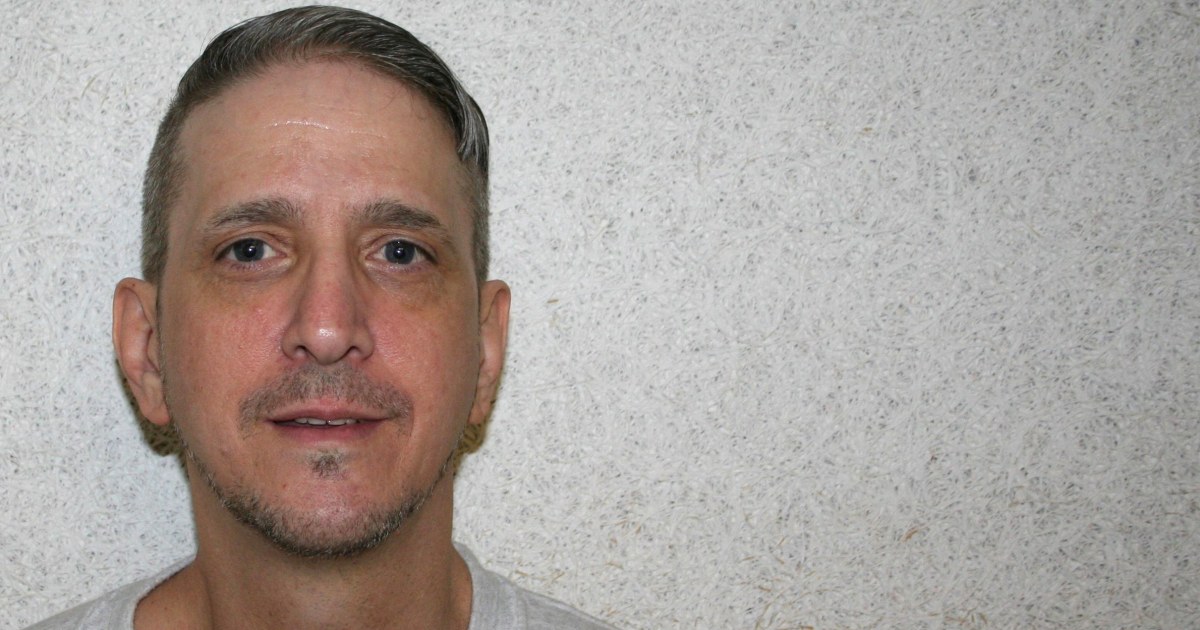
Ex-Death Row Inmate Richard Glossip Pleads Guilty to Lesser Charge in 1997 Murder Case
Richard Glossip, a former death row inmate who spent nearly 30 years in prison, pleaded guilty to a...

Fargo Attorney Kellan Benson Discusses Lease Limits at Osgood Apartments
“North Dakota law is very unfriendly to tenants; it’s a lot more friendly to landlords,” Kellan Benson told...