
Businesses launching major construction projects can avoid costly delays and structural inefficiencies by finalizing core objectives before the design phase begins.
A report from siouxfalls.business suggests that establishing a firm framework early prevents teams from wasting resources on details that fail to align with the project’s broader goals.
Chase Kramer, director of design at TSP Inc., likens the construction process to filling a jar with rocks, pebbles, and sand. He argues that by placing the “large rocks”—or major priorities—first, the smaller components fall into place naturally. Reversing this order, he noted to siouxfalls.business, makes the entire process significantly more difficult.
To implement this, TSP utilizes a “First 1%” meeting. Held after the initial project kickoff, the session convenes architecture and engineering leaders alongside client representatives to resolve outstanding questions and solidify a shared direction.
“It’s a great opportunity to bring everyone together and learn about the challenges the client is experiencing today and what they hope this project will mean for them and their organization,” Jake Buckmiller, electrical discipline leader at TSP, said to siouxfalls.business.
The urgency of this early-stage planning stems from the rising cost and complexity of changes as a project matures. Modifying a layout during the initial phase is straightforward, but those same adjustments often demand expensive redesigns, additional materials, and extra labor once construction crews are on-site.
“The longer those big decisions go unmade, the more impact it has — not just on the schedule but on the cost to make a fix at that point,” Kramer said to siouxfalls.business.
Professional planners help stakeholders manage these trade-offs by assessing functional requirements and space needs before design work advances. This allows owners to weigh individual requests against budgetary constraints, scheduling realities, and long-term performance expectations.
“One of the values of architectural training is being able to think at various scales simultaneously,” Kramer said to siouxfalls.business.
Related reading

Penn State’s Outwater, Amelkovich Earn AHA Weekly Honors After Delaware Sweep
Junior captain Grace Outwater and first-year Kylie Amelkovich earned Atlantic Hockey America weekly honors on Monday following a...

NDSU Can Clinch Mountain West Title Spot With Win at San Jose State
North Dakota State can clinch a spot in the Mountain West championship game Dec. 4 with a nonconference...
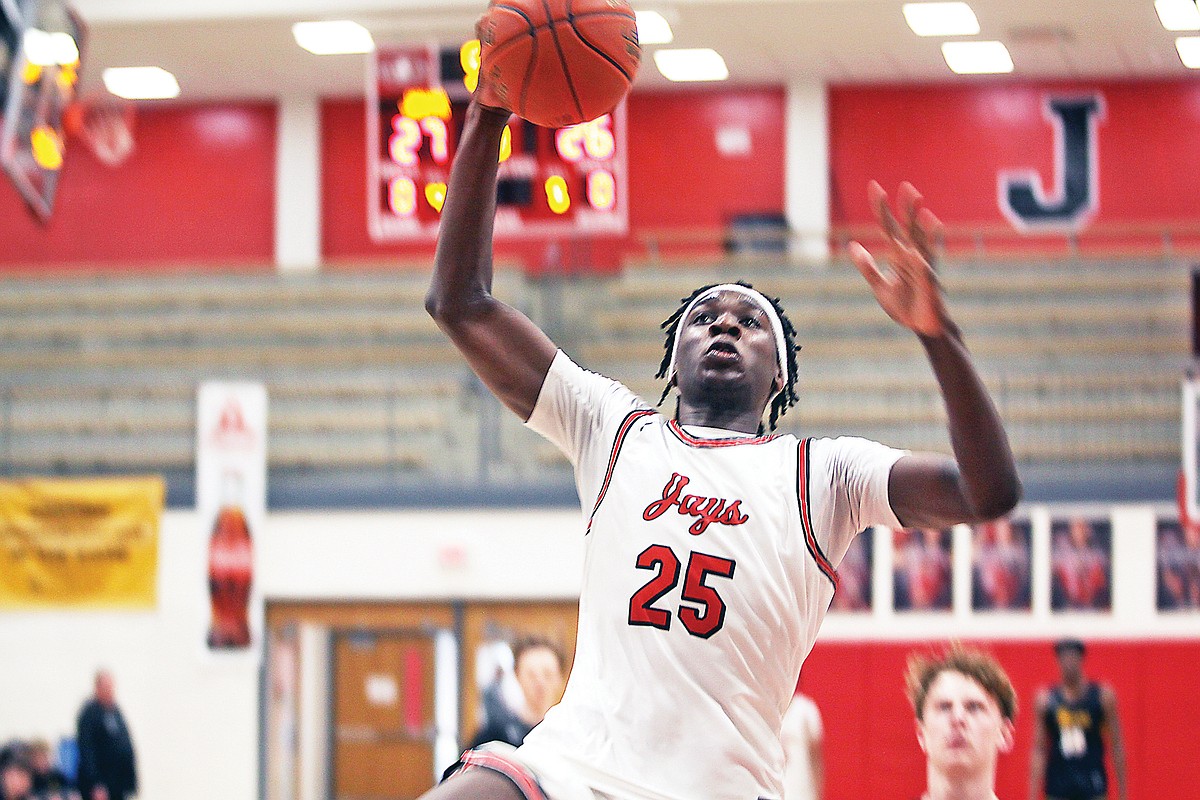
Jefferson City Jays Shift to Up-Tempo Offense Around Tyler Lunceford for Season Opener
"We will play a little more up tempo, we have a few more shooters on the floor now...
SC Legislature Requests Naming I-26/US-76 Bridge for Solomon, Gibbons
South Carolina lawmakers passed a concurrent resolution on May 6, 2025, requesting the state transportation department to name...