
A recent Pennsylvania legal ruling clarifies that a creditor cannot seize assets from a limited liability company to satisfy a business owner’s personal debt, according to Margetas Legal, a firm serving York, Lancaster, Adams, Cumberland and Dauphin counties.
Under state law, a creditor’s sole recourse is a charging order against the debtor’s transferable interest—the right to receive company distributions. The firm cites 15 Pa.C.S. § 8853 as establishing this charging-order procedure as the exclusive remedy for satisfying a personal judgment from that interest.
“A creditor therefore should not simply serve the LLC with paperwork intended for a bank and assume that it captures the ownership interest,” the firm wrote.
The order creates a lien on the transferable interest and requires the LLC to pay the creditor any distribution that would have gone to the debtor. It does not grant the creditor management authority, voting rights, or unrestricted access to company records.

Whether a payment qualifies as a distribution depends on its purpose and supporting records, not its label. The firm said operating agreements, tax records, bank statements, general ledgers, ownership schedules and distribution history can help determine what the company has been paying and why.
If the LLC makes no distributions, the charging order may produce little or no immediate payment. Under Section 8853, a court may appoint a receiver over distributions subject to the order and issue additional orders needed to give the charging order effect. Pennsylvania Rule of Civil Procedure 3118 may also permit supplementary relief after notice and a hearing.
Foreclosure of the charging-order lien is available if distributions will not pay the judgment within a reasonable time. In a multi-member LLC, the buyer ordinarily acquires only the debtor’s economic interest.
When the debtor is the sole member, a confirmed foreclosure sale makes the purchaser a member and dissociates the former owner.
“Payment, a stay, an appeal, bankruptcy, priority disputes, or applicable exemptions may materially change the analysis,” the firm wrote.
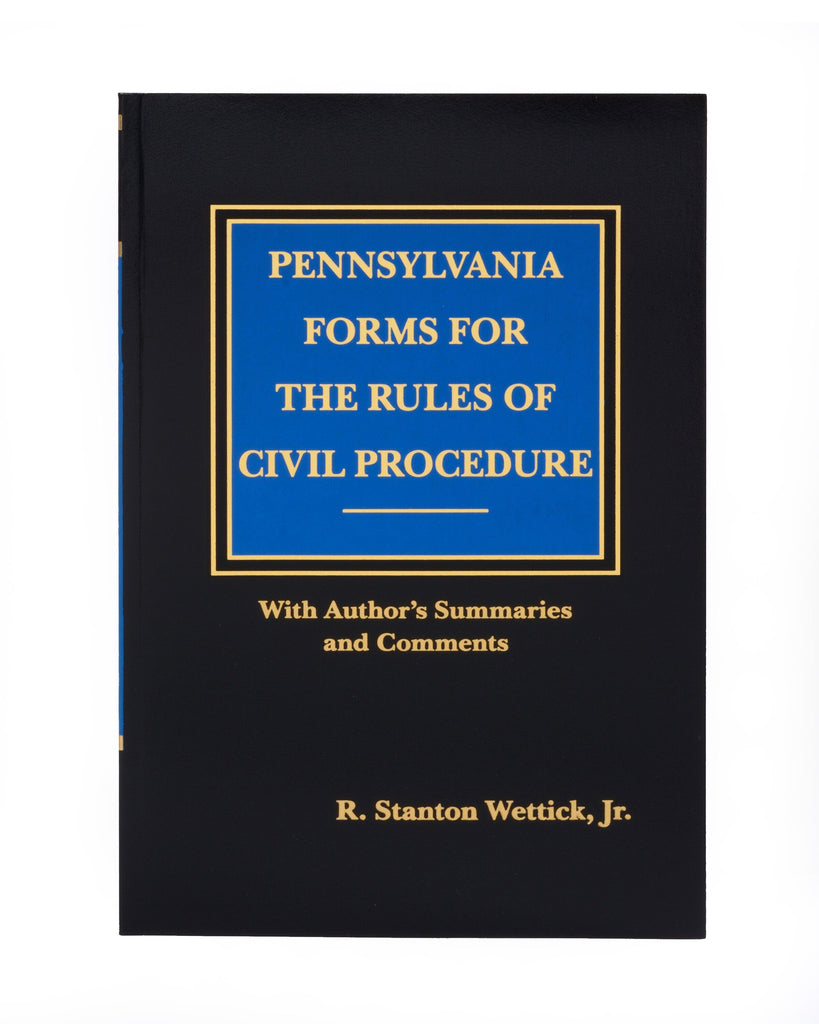
Prior to foreclosure, the debtor can eliminate the charging order by satisfying the judgment and filing a certified copy of the satisfaction with the issuing court. The LLC or nondebtor members may also pay the full judgment balance and step into the creditor’s rights.
Worth a look

California Braces for Thanksgiving Flooding as King Tides, Monster Waves Hit Coast
California cities braced for severe Thanksgiving flooding on Tuesday as monster king tides compounded the damage from a...

Chicago Multifamily Sales Hit Near-Decade High as Vacancy Hits 5.6% and Rents Stay at $2,047
Chicago multifamily sales hit a near-decade high in Q3 2026 as vacancy reached 5.6% and rents held at...
Trump Administration Blacklists Megaspeed Amid Export Probe
Semiconductors head into strict export controls on Monday as the Trump administration added Southeast Asian cloud computing firm...

Port of Seattle Commissioners Call ICE ‘Rogue,’ Demand Airport Security Review After Masked Jet Bridge Arrests
Masked federal agents detained two travelers on an Alaska Airlines jet bridge Saturday in SeaTac, Washington, as passengers...