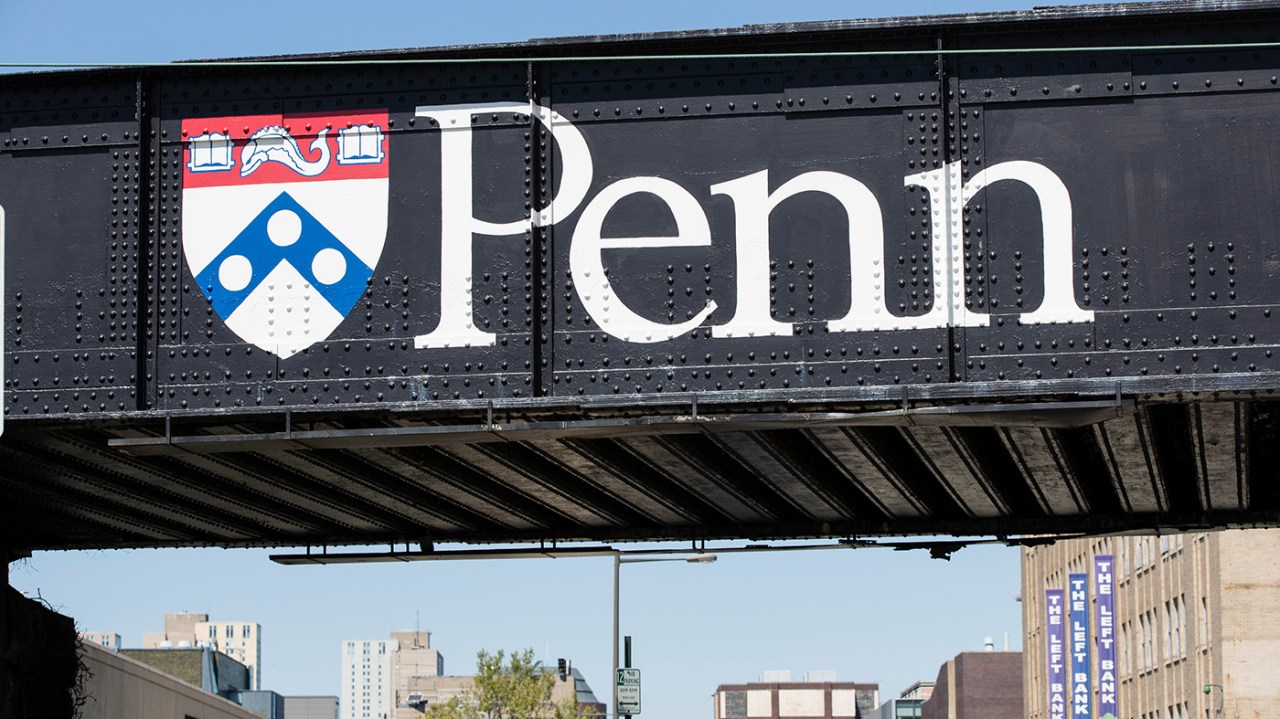
The Equal Employment Opportunity Commission agreed on July 23 to drop its subpoena seeking personal contact information for Jewish employees at the University of Pennsylvania, ending more than a year of high-stakes litigation over federal antisemitism investigations in higher education.
The legal standoff ended in the U.S. Court of Appeals for the Third Circuit, where court documents filed by the Equal Employment Opportunity Commission established a formal settlement. Under the agreement, federal regulators will not take any further measures to enforce the subpoena seeking identification and personal contact information of employees of the University of Pennsylvania. In exchange, the university agreed to dismiss its pending appeal, bringing an official close to months of federal court friction.
Origins of the Subpoena and Workplace Antisemitism Inquiries
The dispute traces back to July 2025, when the federal agency issued the subpoena amid a broader wave of investigations launched by the Trump administration into alleged antisemitism in higher education. Regulators originally sought to gather evidence and identify potential victims of alleged acts of antisemitism following the October 2023 Hamas terror attack on Israel.
The demand specifically sought the personal contact information of employees for those associated with Jewish-affiliated organizations or in the school’s Jewish Studies Program, among others. When the university requested the EEOC modify its subpoena, the agency refused — and began to seek a court order to enforce it. The Equal Employment Opportunity Commission subsequently filed a lawsuit in November to enforce the subpoena.
Federal Court Battles and Sharp Judicial Rebukes
As the legal battle escalated, the university filed a motion challenging the subpoena in January, expressing concerns around the safety and privacy of Jewish students and employees. Legal filings argued that the E.E.O.C. insists that Penn produce this information without the consent — and indeed, over the objections — of the employees impacted while entirely disregarding the frightening and well-documented history of governmental entities that undertook efforts to identify and assemble information regarding persons of Jewish ancestry.
A federal judge denied that motion in March. U.S. District Judge Gerald J. Pappert, an Obama appointee, wrote that while the request was ineptly worded, it had an understandable purpose and the university significantly raised the dispute’s temperature by impliedly and even expressly comparing the EEOC’s efforts to protect Jewish employees from antisemitism to the Holocaust and the Nazis’ compilation of ‘lists of Jews.’ The judge called those specific allegations unfortunate and inappropriate, writing that such allegations are unfortunate and inappropriate.
University Response and Broad Community Coalition
Throughout the legal proceedings, the institution maintained that no confidential contact records were ever handed over to federal authorities. A university spokesperson emphasized that throughout the legal battle, Penn did not provide any of the subpoenaed personal contact information.
With the support of many members of the community who have stood with Penn throughout, the University has been able to protect its employees’ rights and none of the subpoenaed personal contact information was disclosed,
a university spokesperson said in a statement. Penn remains committed to fighting antisemitism and all other forms of discrimination, to ensure everyone it serves can learn, work and thrive.
Labor Pushback and Final Legal Silence
Campus labor representatives also weighed in on the resolution. Lorena Grundy, vice president of the Penn chapter of the American Association of University Professors, stated in a statement to the DP that “AAUP-Penn is proud to have been part of the broad coalition that won this victory to protect the privacy and safety of our Jewish community by preventing the EEOC from forcing the University of Pennsylvania to create and share a list of Jews.”

This victory shows that universities should not capitulate to unjust and unconstitutional demands from the Trump administration,
Grundy added. When we join together and fight, we win.
While the litigation concluded without enforcement, an EEOC spokesperson declined to comment beyond the court filings in response to a request for comment.
Related reading
Canada Seeks Unique EU Alliance Amid US Trade War
Canadian Prime Minister Mark Carney addressed reporters in Toronto on Sunday, outlining a new diplomatic and economic direction...

Israeli Attacks in Gaza Kill Pregnant Woman and 10 Others
A pregnant Palestinian woman was shot and killed by Israeli forces in southern Gaza as artillery shelling and...

Iran and Gulf Nations Postpone Oman Talks Over Regional Consensus
The delay comes as oil prices fluctuate, U.S. economic sanctions expand, and military tensions in the region escalate...

After Louvre Heist, Robberies Continue at French Museums
Following a dramatic daytime heist at the Louvre, a string of break-ins has struck museums and churches across...