
Grand Teton National Park announced that its annual elk reduction program will run from November 14 through December 6, East Idaho News reported.
Federal and state wildlife managers agreed to run the effort after reviewing biological data showing the operation remains necessary to keep the herd at its established population objective and achieve proper elk distribution across the landscape.
Authorized under the park’s 1950 enabling legislation, the program operates through a joint management structure between the National Park Service and the Wyoming Game and Fish Department, utilizing state-licensed hunters holding limited-quota permits.
This managed harvest carries distinct operational requirements that separate it from traditional hunting seasons. Participants must carry their state license for Elk Hunt Area 75, a conservation stamp, an elk special management permit, a 2026 park elk reduction program permit, and a hunter education card.
Harvest rules limit hunters strictly to taking cows and calves. Additional safety and gear mandates require non-lead ammunition, fluorescent orange or pink clothing, and immediately accessible bear spray housed in a non-expired can containing at least 7.9 ounces.

Regulations ban several standard items within the park boundaries during the hunt. Archery equipment, handguns, non-centerfire rifles, and artificial elk calls are prohibited throughout the operational footprint.
For the 2026 season, officials authorized a total of 40 permits. Hunting is restricted exclusively to Area 75.
Within that designated zone, the Antelope Flats portion and the Snake River bottom situated between Deadman’s Bar and Ditch Creek remain closed to hunting for the duration of the season.
Wildlife managers built a surveillance component directly into the permit conditions to track chronic wasting disease across the local ecosystem. Program participants must turn in the head of every harvested elk at a designated drop-off location stationed in Moose.

Park personnel collect lymph nodes from those submissions and deliver them to the Wyoming Game and Fish Wildlife Health Lab for testing, with hunters able to check their individual results online.
National Park Service and Wyoming Game and Fish personnel are actively patrolling the program area to verify compliance, check permits, and share information regarding bear safety and boundary limits.
Park lands remain open to general visitors while the reduction program is underway. Officials strongly encourage recreational visitors to wear bright colors when entering the park.

Denver Student Marco Bautista Delgado Killed by Water Truck
Marco Antonio Bautista Delgado was crossing the street on his way to class Wednesday when a water truck...

Kings Loss to Thunder Highlights Exactly What Is Derailing Sacramento’s Season
The Sacramento Kings fell to a disappointing 1-12 record on the season after a 125-103 blowout loss against...
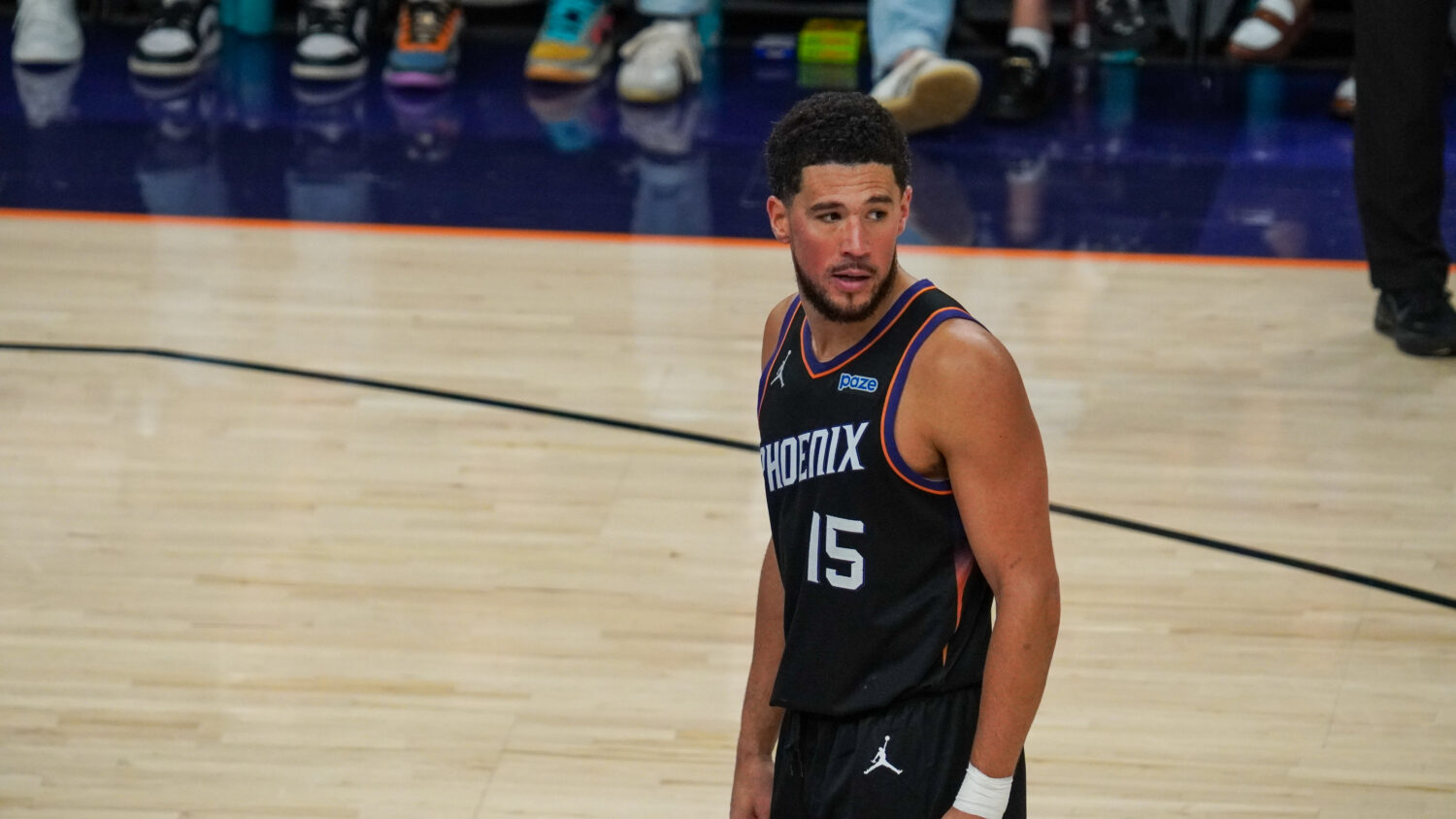
Suns’ Loss to Lakers Continues Forecasting Need for Tweaks – Arizona Sports
The Phoenix Suns dropped a 131-123 decision to the Los Angeles Lakers on Sunday, highlighting a persistent gap...
Razorbacks Fall to Missouri 3-1 Despite Parker Duncan’s 18 Kills
Arkansas closed out its regular season on Sunday afternoon with a 3-1 loss against the Missouri Tigers at...