
The half-billion dollar Senate race
The U.S. Senate race in Texas has become the priciest congressional contest in American history, with more than $500 million spent on television advertisements, mailers, and AI-generated videos.
This massive influx of capital marks a staggering shift in the state’s political economy, according to reporting from Texas Monthly.
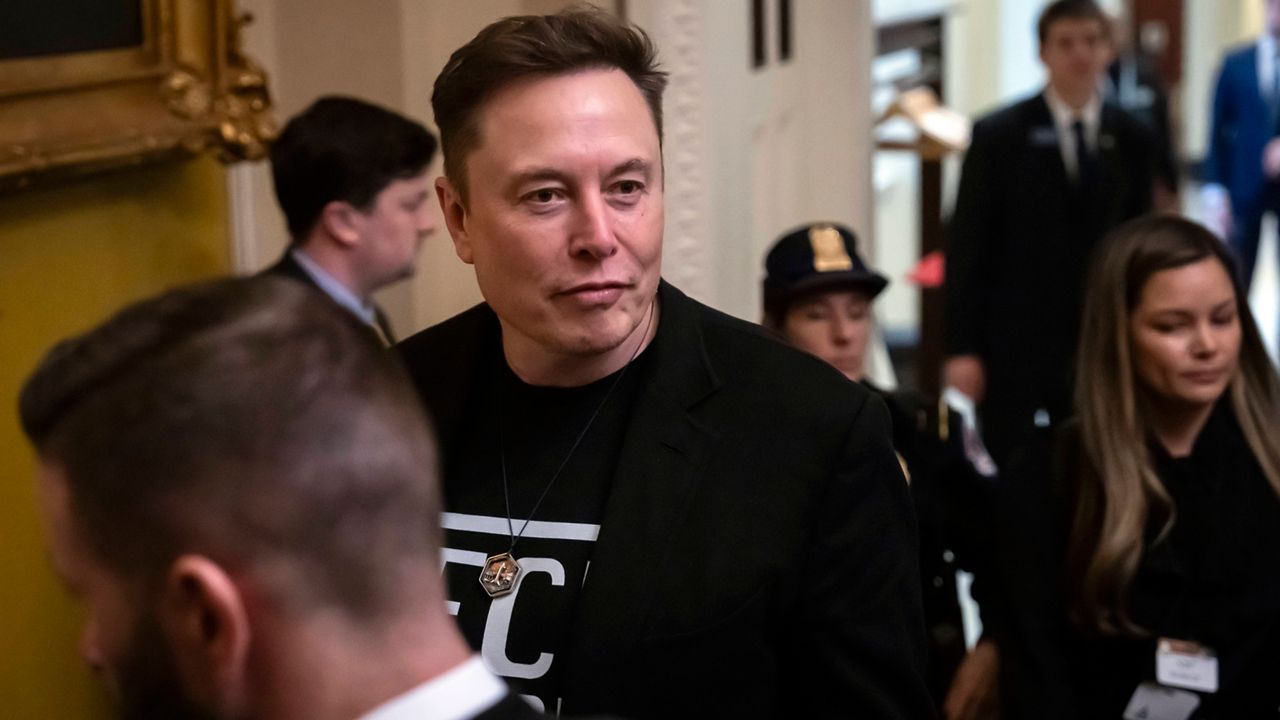
A significant portion of this spending originated from Elon Musk, the Austin-based billionaire. Musk reportedly contributed over $200 million to attempt to secure a Senate seat and at least $2 million to support Chris Gober, a former lawyer, in a newly redistricted congressional race covering parts of Austin.
The scale of the 2026 election cycle stands in sharp contrast to previous benchmarks. In 2014, the campaign that secured Greg Abbott the governorship raised approximately $45 million, a figure once considered an unprecedented high. During that same year, the reelection bid for John Cornyn cost both major parties a combined total of roughly $21 million.
Diminishing returns and rising costs
Despite the deluge of cash, the financial advantage did not guarantee victory for all Republican candidates. While Abbott was able to significantly outspend his opponent, Gina Hinojosa, other candidates saw little movement from their massive war chests. Talarico won by twelve points, and Hinojosa won her race by seven points, even as Democrats with limited funding for campaign offices secured statewide victories.
Brendan Steinhauser, who managed the 2014 Cornyn campaign, noted during the early voting period that the massive expenditures were making “very, very little difference at this point.” He suggested that political spending is currently experiencing diminishing returns.
The governor’s race between Abbott and Hinojosa also saw costs climb well into the nine-figure range. Downballot races for the Texas Legislature saw similar patterns of heavy spending. In one January special-election runoff, a Republican candidate spent nearly $2.5 million for a seat that the winner would not even occupy before facing another election.
| Election Year/Type | Estimated Total Spending | Context |
|---|---|---|
| 2014 Governor’s Race | $45 million | Benchmark for Abbott’s election |
| 2014 Cornyn Race | $21 million | Combined total for both sides |
A culture of legal corruption
The current spending environment has prompted alarm among some Republican lawmakers. One senior Republican lawmaker described the state’s political climate as “the Wild West,” calling for campaign-finance reform. Another lawmaker characterized the current status quo as “grotesque.”
Texas has a long history of influence peddling, though the methods have evolved from the “envelope of cash” era of the 1971 Sharpstown scandal to the modern era of massive, legal campaign contributions. Political scientists often distinguish between “illegal corruption” and “legal corruption,” the latter of which is highly prevalent in the Texas Legislature.
The structure of the state legislature contributes to this environment. Because lawmakers earn only $7,200 for their five-month biennial sessions, many must be independently wealthy or maintain outside business interests. This creates opportunities for influence through consulting firms or legal practices, leading to frequent rumors regarding the true nature of lawmaker income.
Out-of-state billionaires also play a significant role in shaping state policy. Jeff Yass, a billionaire from Pennsylvania, has donated millions to Texas politics despite having no significant ties to the state. In 2025, Yass paid more than $12 million to Governor Abbott and contributed $8.7 million to a political action committee to advance a school voucher system.
“This is insane, what we’re doing. It’s the Wild West out here. We have to have campaign-finance reform.”
— A senior Republican lawmaker, as reported by Texas Monthly.
The influence of outside money extends to various policy priorities, including the push to legalize casino gambling, a goal linked to the spending of Nevada’s Miriam Adelson. This pattern of interest-driven spending has become a central feature of the Texas political landscape, where the wealthy provide significant support to the political class to secure favorable regulatory environments.
Democrats are also part of this ecosystem, with some accepting large-dollar funding from various interests. The tension between traditional political processes and the current era of billionaire-funded interventions remains a central conflict for the upcoming 2027 legislative session.
The 2014 Abbott campaign raised $45 million, a figure that was once viewed as an astonishing new benchmark for Texas politics.
Worth a look

Teenager Struck by Car at Windmill Road and East Pershing Blvd
A 14-year-old was struck by a vehicle near East High School A 14-year-old girl was struck by an...

Pierre Governors Face Watertown in Class 11AA Championship Rematch
The Pierre Governors football team will compete in the Class 11AA Championship game this Friday night at the...

Dr. Paul D. Miller Discusses Providence Vision at November Luncheon
The Institute on Religion and Democracy will host its November luncheon on Tuesday, November 24, featuring Dr. Paul...

Penn Engineering Dean Vijay Kumar’s Term Proposed Through 2029
Vijay Kumar to continue leading Penn Engineering through 2029 The University of Pennsylvania has extended the term of...