
Portland State University Opens Thesis Exhibition at Shattuck Hall
Portland State University’s School of Architecture will host a thesis open house this week as part of its ongoing Fridays@1 series. The event, held in Room 212 of Shattuck Hall, invites students, faculty, and the public to view the initial stages of 14 distinct architectural projects from graduating Master of Architecture students. These presentations mark the beginning of a year-long exploration into how design can address contemporary social, environmental, and cultural challenges.
The projects currently in development range from localized community concerns in Portland to international issues of displacement and climate resilience. The exhibition serves as a forum for students to present their architectural questions and gather feedback as they move toward final thesis designs.
Addressing Heat and Housing
Isabelle Jones is exploring the intersection of modular construction and climate adaptation in her project focused on Phoenix, Arizona. Her research investigates how prefabricated, multifamily housing can utilize courtyard planning and passive desert design strategies to mitigate heat stress for firefighters at Station 9. By prioritizing shaded, communal outdoor spaces that rely on night air and water rather than traditional air conditioning, the thesis aims to provide resilient, affordable recovery environments for emergency responders.
Reimagining Public Space and Memory
Several projects examine how architecture interacts with historical loss and community identity. Eleanore Provencher is documenting the closure of the 93-year-old Columbia Pool in North Portland. Her work analyzes the impact of the pool’s demolition on the local peninsula, which now faces a decade without year-round swimming facilities. She is developing a proposal for Columbia Park that addresses the void left by the city’s decision to rebuild the aquatic facility a mile away.
In a different context, Nati Ochoa is investigating how architecture can provide refuge for immigrant families. Her project is situated on a disturbed auto-salvage site near the Tualatin River National Wildlife Refuge in Sherwood, Oregon. By incorporating bamboo weaving and earth construction, she aims to create a space for communal cooking, gathering, and learning that honors ancestral knowledge while providing security against the threat of family separation.
Infrastructure and Environmental Change
The role of existing infrastructure in a shifting climate is a central theme for several students. Casper Skinner is analyzing the legacy of the oil industry, specifically the proliferation of gas stations since the early 20th century. His thesis proposes transforming these sites in Appalachia into decentralized food production hubs, treating obsolete industrial structures as a substrate for ecological and community regeneration.
Similarly, Ron Acob is examining the consequences of colonial infrastructure in West Kaua’i. His project, “How to Live with Water,” draws on Indigenous knowledge to design for resilience against flooding, cyclones, and sea-level rise, arguing for a shift from engineering against water to integrating it into the built environment.
Resistance and Healthcare Rhythms
The exhibition also features work rooted in political and social advocacy. Razan Hussein is developing a network of community-led agricultural spaces in Rafah, Palestine. Her project serves as an act of resistance and care, focusing on food sovereignty and intergenerational connection in the wake of the ongoing genocide in Gaza.
Noora Al Manea is focusing on the specific needs of overnight healthcare workers in Portland. Her research explores how housing can be designed to support individuals whose rest cycles operate against the standard rhythm of the city. By addressing the need for both solitude and connection, she aims to provide a framework for residential design that accommodates non-traditional, shift-based living.
Exploring Craft and Ornamentation
Other students are investigating the sensory and theoretical aspects of design. Natalie Reeder is looking at Portland’s industrial landscape to understand how architecture can reconnect people with the origins of materials like fiber and earth. Mar Callender is examining the role of ornamentation in public spaces, exploring how art can be integrated into architecture to foster a sense of belonging and community identity. Chelsea Loh is researching how architectural design can mediate the physical and emotional processes surrounding death, exploring new visions for memorial sites and burial practices.
The Fridays@1 series generally serves as a weekly gathering point for the PSU architecture community, featuring presentations from visiting professionals and students. The current exhibition of thesis work remains a primary opportunity for the department to showcase student research before the final projects are completed in the coming months.
Keep reading

PBC Runners of the Year Named: Nasrudin Mohamed and Gabrielle Jourdain
Augusta University Dominates Peach Belt Conference Cross Country Honors As the Peach Belt Conference (PBC) prepares for its...
Black Panther In Concert Live at Des Moines Civic Center
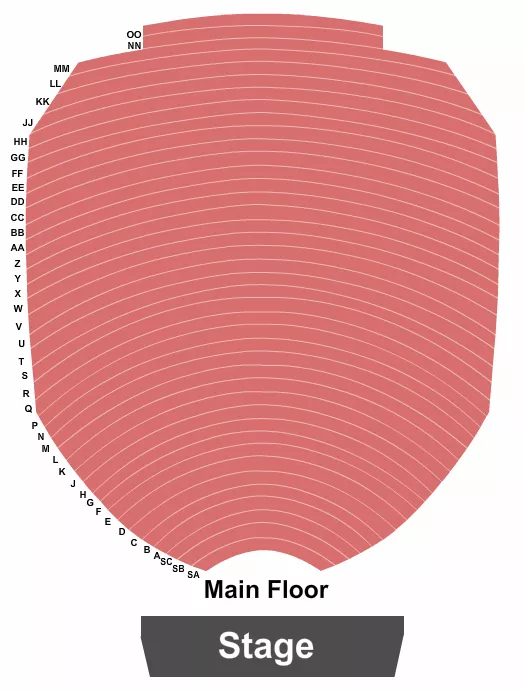
Marvel Studios’ Black Panther in Concert is coming to the Des Moines Civic Center, offering a live orchestral...

Bellarmine vs. Indiana Men’s Basketball Play-by-Play Highlights
Bellarmine Men's Basketball Faces Indiana in November 5th Matchup According to the official box score provided by Bellarmine...
Donna Lasinski Named President of Chicago Cultural Stadium Project
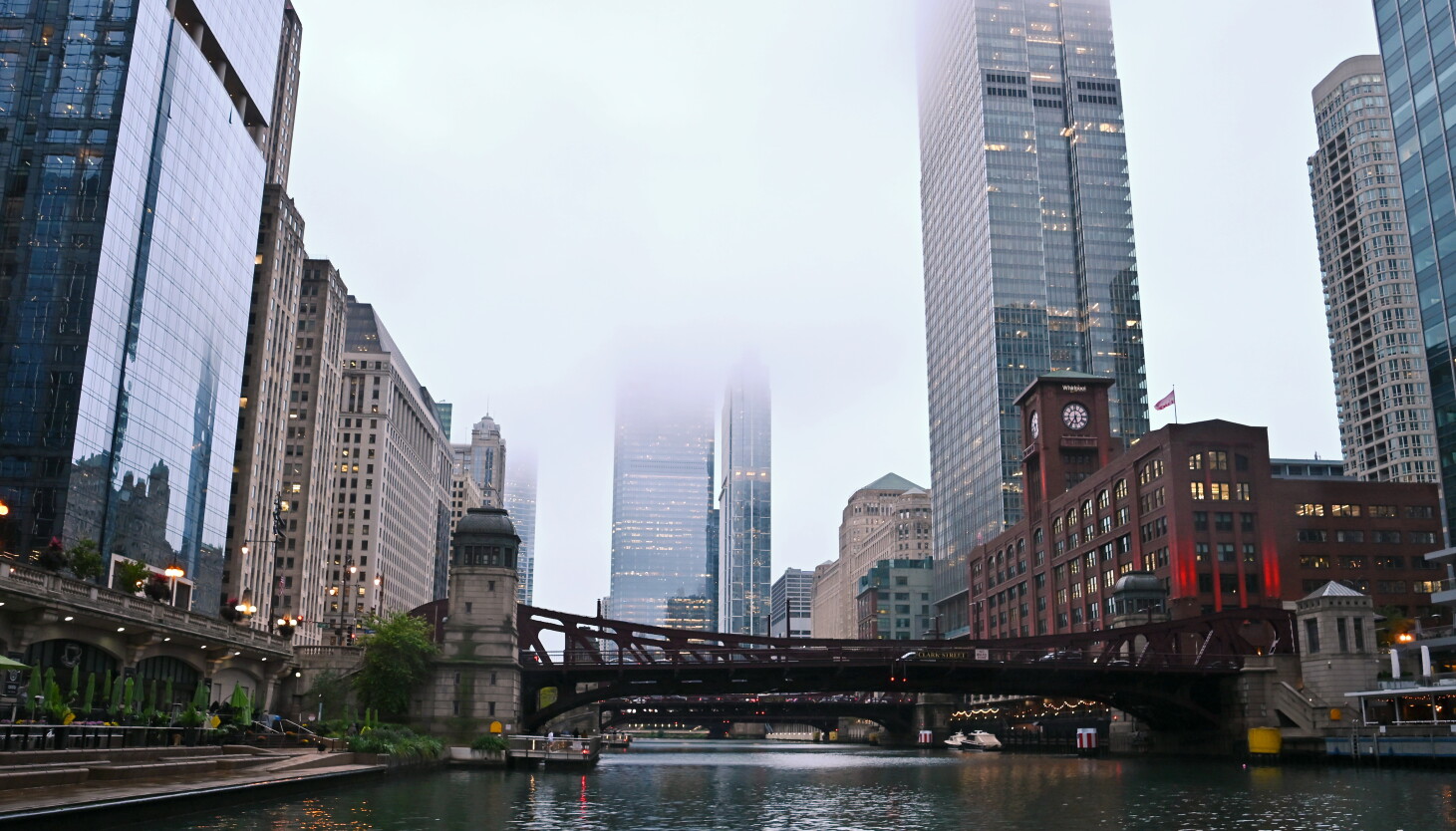
Chicago’s Cultural Stadium Initiative Appoints New Leadership The long-discussed vision to reshape Downtown Chicago into a "Cultural Stadium"—a...