The Environmental Protection Agency proposed on Thursday to approve Maryland’s state implementation plan revision addressing interstate transport requirements for the 2010 1-hour sulfur dioxide national ambient air quality standard, according to a notice published in the Federal Register.
The EPA said Maryland’s submission covers the first two prongs of Clean Air Act section 110(a)(2)(D)(i)(I), which require states to prohibit emissions that contribute significantly to nonattainment in other states and emissions that interfere with maintenance of the standard in other states.
The agency evaluated the plan using a two-prong test and concluded the state’s controls satisfy the “good neighbor” provision for the 2010 1-hour SO2 standard of 75 parts per billion.
The 2010 standard is based on a three-year average of the annual 99th percentile of daily maximum 1-hour average concentrations. The EPA established the revised primary standard on June 2, 2010, and section 110(a)(1) required states to submit infrastructure SIPs within three years. The agency has historically referred to these submissions as “infrastructure SIPs.”
Section 110(a)(2)(D)(i) contains four distinct components, commonly called prongs. Prongs 1 and 2, addressed in this action, require adequate provisions to prohibit sources in one state from contributing significantly to nonattainment or interfering with maintenance of the NAAQS in another state. Prongs 3 and 4, concerning prevention of significant deterioration and visibility protection in other states, are not addressed in this proposed rule.
The EPA said it has long interpreted the statutory language to enact a “functional prohibition” on certain emissions from upwind states, necessitating the agency’s independent assessment of whether those emissions will occur or have been adequately controlled in the state where they originate. The proposed action follows the EPA’s evaluation methodology for Prong 1 (contribute significantly to nonattainment) and Prong 2 (interference with maintenance).
The notice includes a list of abbreviations used throughout the proposed rule, such as BART for Best Available Retrofit Technology, CAA for Clean Air Act, COMAR for Code of Maryland Regulations, DV for Design Value, EGU for Electric Generating Unit, HAA for Healthy Air Act, MDE for Maryland Department of the Environment, NEI for National Emissions Inventory, PSD for Prevention of Significant Deterioration, NSR for New Source Review, SIP for State Implementation Plan, tpy for tons per year, TSD for Technical Support Document, and WOE for Weight of Evidence.
- Idaho Fish and Game Commission Removes Bass Limits at Montpelier Reservoir After Illegal Introduction
- Wisconsin Routs Northeastern 91-54 to Extend Nonconference Home Streak to 24
- SpaceX Share for Every Kid Needs a Charity and Treasury's Approval (daybreakwire.com)
- SpaceX Wins First-Ever U.S. Approval for Orbital AI Data Centers (newsarchyuk.com)
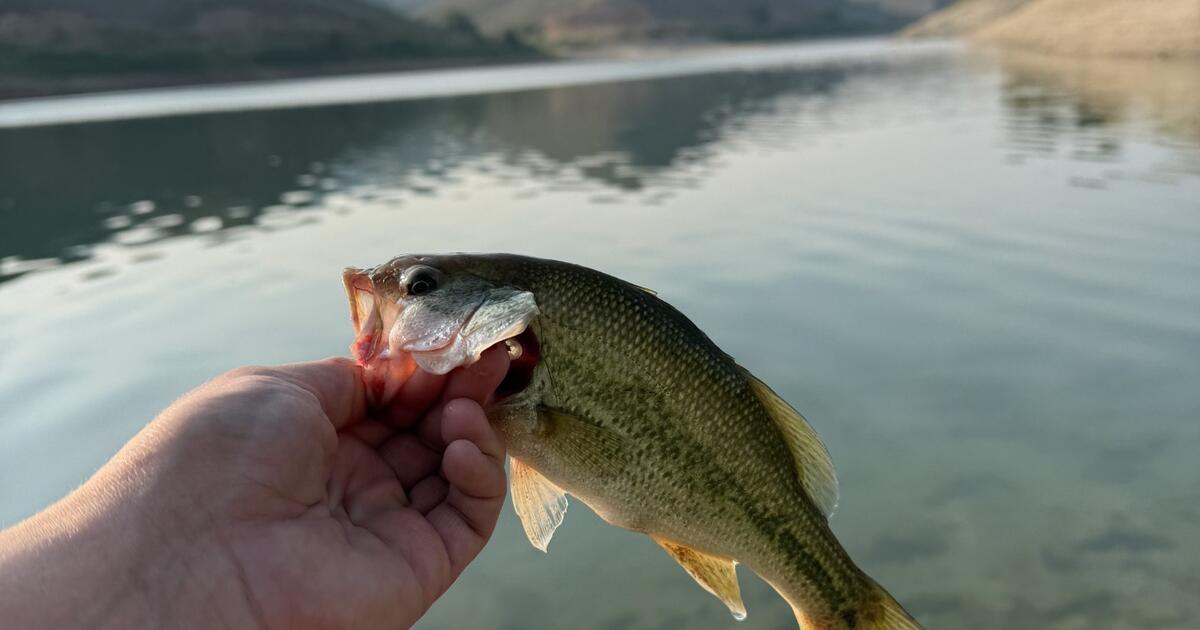
Idaho Fish and Game Commission Removes Bass Limits at Montpelier Reservoir After Illegal Introduction
The Idaho Fish and Game Commission approved a rule change at its recent meeting in Lewiston that removes...

Wisconsin Routs Northeastern 91-54 to Extend Nonconference Home Streak to 24
Wisconsin beat Northeastern 91-54 at the Kohl Center on Wednesday, snapping a two-game skid with its 24th nonconference...
Mammoth End Wild’s 16-Game Regulation Unbeaten Streak with 4-3 Win
Logan Cooley and Dylan Guenther each recorded a goal and an assist as the Utah Mammoth defeated the...
Blackhawks Defeat Kraken 3-1 in Gaudreau’s 500th NHL Game
The Chicago Blackhawks defeated the Seattle Kraken 3-1 at Climate Pledge Arena on Tuesday, snapping Seattle's chance to...