
Adults with Spinal Muscular Atrophy in Ireland cannot access the drug Risdiplam because Beaumont Hospital lacks the physiotherapists required to assess eligibility, even though the HSE approved reimbursement in August.
The treatment could preserve muscle function for roughly 75 patients, but clinical assessments have stalled at the Dublin hospital’s neuromuscular clinic. Dr Aoife McNicholl, an assistant professor at DCU who has the condition, told RTÉ the drug was “supposed to be available from 1 October” and that she has been scheduled for an appointment “some time next year.”
Reimbursement approved, pathway blocked
The HSE Senior Leadership Team agreed to fund Risdiplam in August, making it the first treatment available here for adults with the progressive neuromuscular disorder. Patients must be evaluated by a physiotherapist to determine eligibility, yet Beaumont’s clinic has no dedicated physiotherapy post.
“Most people attend Beaumont. There’s no dedicated physio within the neuromuscular clinic, and that’s essentially what we need,” Dr McNicholl said. Emer O’Sullivan, another patient, was assessed only last week because of a pre‑arranged appointment. “It is frustrating to think it has been almost eight weeks since the drug came available,” she told RTÉ.
Physiotherapy shortage described as systemic
Dr Marie Ó Mír, CEO of the Irish Society of Chartered Physiotherapists, called the gap a “widespread systemic issue across the country.” She said HSE physiotherapy posts carry vacancy rates of up to 40 per cent, leaving current staff at risk of burnout and driving new graduates abroad because they cannot secure posts in Ireland. The result, she said, is a “lack of timely care to the public.”
TD presses Taoiseach on drug delay
Fine Gael TD William Aird raised the delay with Taoiseach Micheál Martin last week, asking: “Will you unlock the door please?” Mr Martin replied he would speak with the Minister for Health to obtain “the full background as to the timelines involved and how many patients have access to medicine, how many haven’t, and the reasons why.”
The HSE said that 11 Risdiplam prescriptions have been raised for seven adult patients since October. It added that 29 new medicines or expanded uses were approved in the first half of 2026 and that over €132 million is earmarked for the next five years to widen treatment access. Staffing questions, the HSE said, are a matter for Beaumont Hospital.
Beaumont responded that it “is committed to the highest standards of patient safety and quality of care.” The Department of Health pointed to the National Rare Disease Strategy’s vision of equitable, cross‑sectoral care and noted the State has enabled access to 299 new medicines since 2021, including 81 for rare diseases.
Calls for planning before the next approval
Muscular Dystrophy Ireland CEO Alan Breathnach warned that reimbursement is “only one milestone. The real measure of success is when patients can access treatment.” He urged that clinical resourcing plans begin well before future reimbursement decisions are finalised.
UCC health economist Dr Brian Turner highlighted the opportunity cost: “If you spend it on X, then you can’t spend it on Y. There is that issue in terms of there has been a lot of money spent in recent years on orphan drugs, and with good justification for that, but it means that that money isn’t then available for other patients with other conditions.”
Dr McNicholl said the delay must be the last of its kind: “There needs to be forward planning in terms of resourcing, in terms of what’s needed to actually roll out the treatments in time, so that when a drug is approved, that patients can start accessing it straight away.”

Natsal Survey Shows UK Sexual Activity Decline; Abortion Rise Linked to Deprivation by MSI
Britain’s latest National Survey of Sexual Attitudes and Lifestyles (Natsal-4) shows adults under 45 now have sex twice...

KIMM Etches WS₂ to Atomic Layer Across 6-Inch Wafer
South Korean researchers have etched tungsten disulfide down to the atomic layer across an entire 6-inch wafer, a...
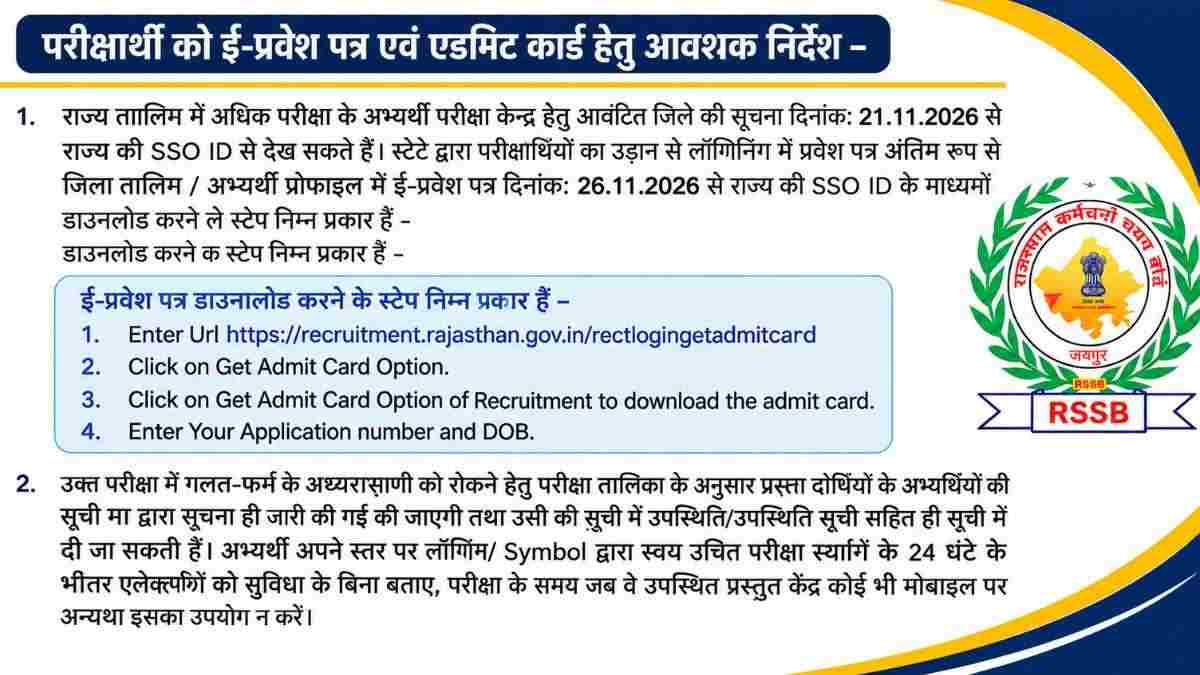
Rajasthan CET 12th Level Admit Card 2026 Released Today for December 1-3 Exams
The Rajasthan Staff Selection Board will release CET 12th Level admit cards today for exams beginning December 1...

I Used a Vibration Plate for a Month and It Stopped My Icy Hands and Feet
In a first-person piece for the Daily Mail, Laura Stott writes that a month of daily whole-body vibration...