
Initial laboratory results show no rise in lead contamination in Iowa’s water supplies after the U.S. Army detonated five tonnes of unstable lead azide. The EPA posted its findings three days after the controlled explosion, which prompted concerns over environmental safety and public communication.
The U.S. Environmental Protection Agency stated Saturday that initial lab findings show the planned explosion of five tonnes of hazardous lead azide in southeast Iowa did not result in an increase of the toxic metal in the local water sources used for drinking. The EPA released its data online Saturday, three days after U.S. Army engineers detonated nearly five tonnes (4,500 kg) of highly unstable lead azide contained in 68 deteriorating plastic drums.
The planned explosion was executed as two concurrent blasts at an army munitions facility in the small farming community of Middletown, Iowa, located approximately 150 miles (241km) southwest of Des Moines, the state capital.
How extensive was the sampling?
The EPA reported that about 300 individuals spent Thursday in the field collecting samples from schools, playgrounds, churches and homes throughout the area. More than 1,500 samples of air, water, soil and dust were gathered prior to the detonation and hundreds more samples afterward, including from homes, parks and drinking water. “The EPA monitored for the presence of airborne lead for 30 consecutive hours after the controlled detonation using the Xact air monitoring systems. We will continue to provide updates in the coming days as new lab results for over 3,200 air, soil, dust and water samples … return and get validated,” the EPA said in a post on X.
What did the Army say?
The Army has indicated that the most secure course of action was to immediately detonate the stockpile due to its deterioration and the risk it could detonate without warning as temperatures dropped. However, the explosion has generated significant worry about possible environmental harm and also raised questions regarding how and when the federal government shared its intentions.
What were the transparency concerns?
Residents and some elected officials have taken issue with the Army for lacking sufficient openness and giving more advanced notification when it first identified the stockpile as unstable.
While residents in Middletown, where the materials were stored, were aware of the operation, few others were — and the alerts mostly did not resonate with elected officials and the general public until just before the scheduled detonation.
How did local officials react?
The mayor of Muscatine, Iowa, a small city about 50 miles north of Middletown, said that the EPA’s initial test results showing no heightened levels of lead in drinking water or the air were positive. “Our priority remains the health and safety of our residents. We will continue to follow the recommendations and stay in close coordination with the EPA, the Army, state and county partners,” Mayor Brad Bark said in an email statement.
More on Army
EPA is deployed to Middletown, Iowa, testing the air, water, and soil in the area before, during and after the Army’s controlled detonation of lead azide at its Iowa Army Ammunition Plant. We will be posting results on our website at https://t.co/Vve6xI42B5. pic.twitter.com/ua2wwQmo6T
EPA has been on the ground in Middletown, Iowa, for days collecting over 1,000 air, land, and water samples before the Army’s controlled lead azide detonation tomorrow morning. 129 EPA personnel (going up to 272 by tomorrow) are actively collecting samples right now at churches,… pic.twitter.com/jYK477AVsI
Keep reading
- Woman Shot on Naples Drive in Augusta; Deputies Search for Armed Suspect
- Magic Eliminated From NBA Cup Despite 3-1 Record; Two Regular-Season Games Added to Schedule
- EPA Finds No Lead in Water After Iowa Ammo Plant Detonation, Experts Question ‘Zero’ Air Readings (archyde.com)
- Thousands of UK homes to receive water bill support (newsarchyuk.com)
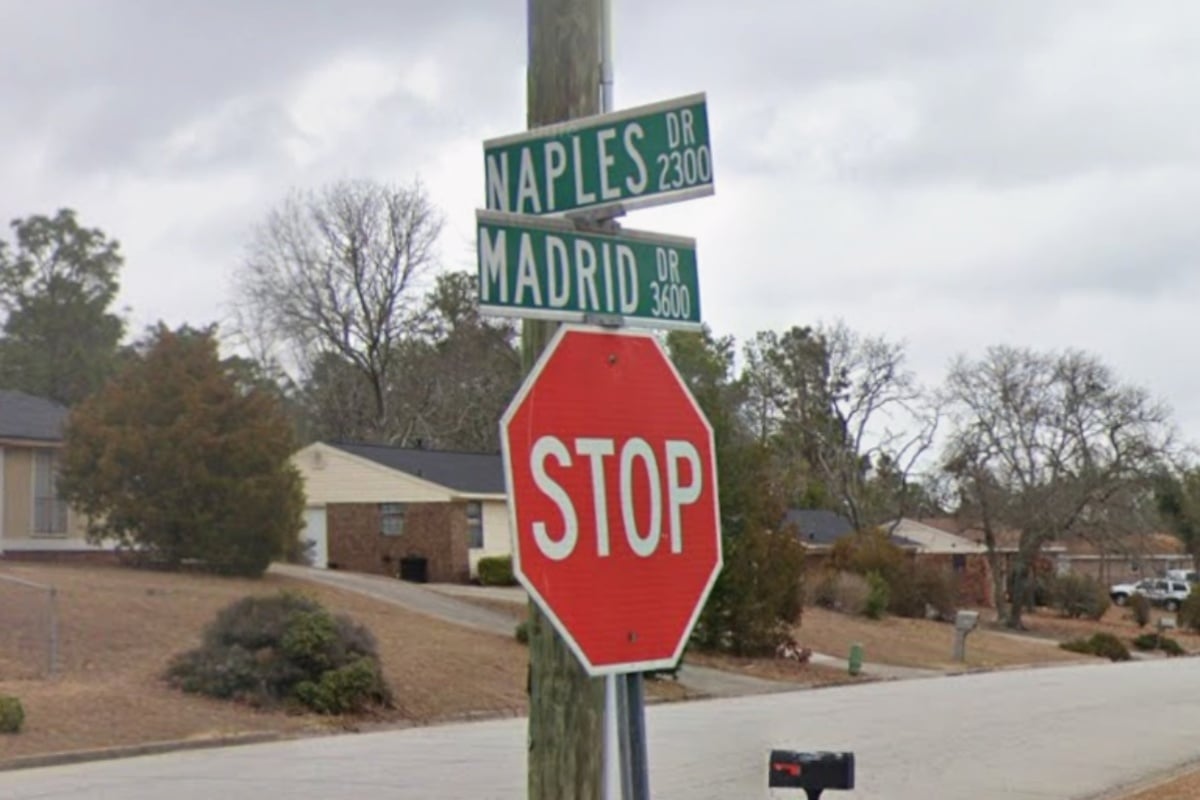
Woman Shot on Naples Drive in Augusta; Deputies Search for Armed Suspect
Richmond County deputies responded to the 2300 block of Naples Drive around 6:15 p.m. Friday after reports of...
Magic Eliminated From NBA Cup Despite 3-1 Record; Two Regular-Season Games Added to Schedule
Two regular-season games were added to the Orlando Magic schedule early Saturday after the team was eliminated from...

Tree Rings, Venus and Alaskan Volcano Anchor Fall of Babylon to 1587 B.C.E.
A study published in the Proceedings of the National Academy of Sciences has anchored the fall of Babylon...

WVU’s Rich Rodriguez Has Timeline for Staff Changes but Won’t Share It Publicly
West Virginia head coach Rich Rodriguez confirmed he has a private timeline for potential coaching staff changes but...