
More than 150,000 Amazon customers have emailed New York City Council members since Nov. 19 opposing the Delivery Protection Act, a union-backed bill Mayor Zohran Mamdani pushed again on Black Friday, Fox Business reported.
The legislation, sponsored by Councilmember Tiffany Cabán, would require last-mile delivery facilities to obtain city licenses and directly employ workers performing core services, effectively ending Amazon’s reliance on independent contractors. Mamdani released a video Friday featuring drivers in Amazon uniforms who said the company controls their routes, schedules and uniforms while using subcontractors to avoid responsibility. “It’s Black Friday. The busiest — and most dangerous — time of year for delivery workers. Pass the Delivery Protection Act now,” Mamdani wrote on X. “If I don’t wear this Amazon-branded vest, disciplinary action will be taken against us,” says one Amazon employee.
“By shielding themselves behind these so-called independent operators, this trillion-dollar company is able to avoid regulations on our city streets, and that’s why we want to pass the Delivery Protection Act,” Cabán says in the video.
Amazon warned the bill could add up to $5 per order and cited an economic analysis estimating annual consumer cost increases between $409 and $664. “If Jeff Bezos adds $5 to your order, it’s not because of City Council’s efforts to protect workers’ rights and keep our streets safe. It’s greed,” Mamdani wrote on X. “This bill would raise costs just when we need to make New York more affordable,” it added, seemingly cribbing Mamdani’s “affordability” rhetoric.
The company told Fox News Digital the legislation threatens the livelihoods of more than 40 small delivery businesses and the 5,000-plus New Yorkers they employ, noting 25% of local partners are Black or Hispanic-owned and 10% are veteran-owned. Amazon also said the bill would prohibit its Amazon Flex program.
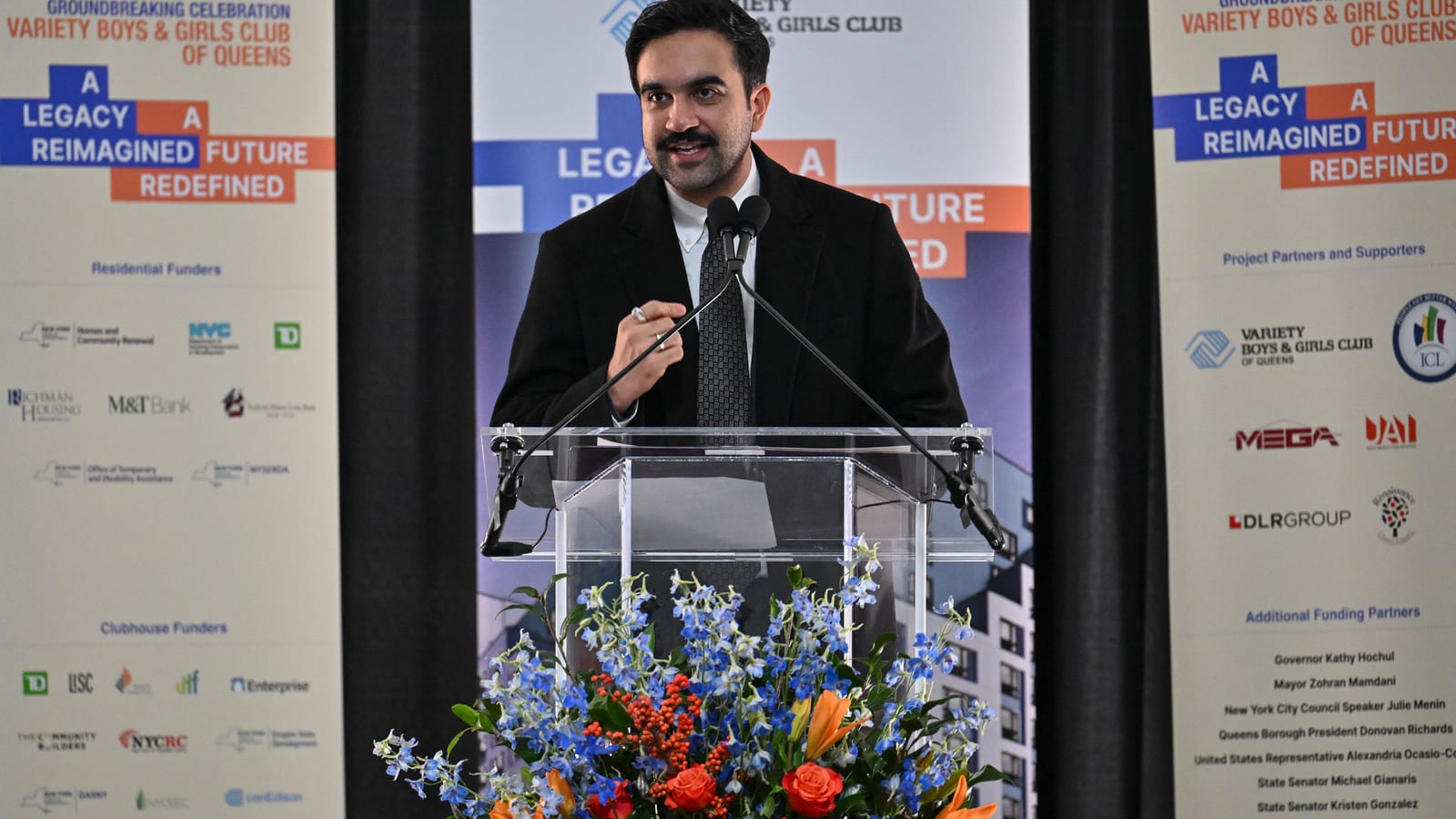
The International Brotherhood of Teamsters has championed the legislation. The bill has 35 Council sponsors — enough for a veto-proof majority — but has not been scheduled for a vote, the New York Post reported. Speaker Julie Menin said negotiations continue behind the scenes to protect workers without raising prices or costing jobs.
“That is dishonest, and I have a very clear message for Amazon. If you think that that is going to deceive New Yorkers and intimidate the City Council out of passing basic worker and consumer protections, you are dead wrong,” Menin said at an unrelated press conference last week, according to the Post.
Amazon said it has invested more than $2.5 billion in safety since 2019 and that its serious crash rate in New York City improved 35.7% from 2024 to 2025. The company also said local delivery drivers have earned nearly $24 an hour on average. Neither Mamdani nor Cabán has accepted Amazon’s invitation to tour a local delivery facility and meet affected small-business owners, Amazon spokesperson Kelly Nantel told Fox News Digital.
A coalition of business groups has threatened to sue if the bill passes, arguing it conflicts with federal and state law, City & State reported this month, according to the Washington Examiner. “My conclusion is that Intro 518 directly conflicts with existing federal and state law and raises serious legal questions about the city’s authority to enact it.”
Councilmember Tiffany Cabán, who has represented the 22nd District since December 2021, is the sponsor of the Delivery Protection Act, a union-backed measure that would require last-mile delivery facilities to obtain city licenses and directly employ workers performing core services.
In a video released by Mayor Zohran Mamdani on Black Friday, Cabán argued that Amazon uses subcontractors to avoid responsibility for the drivers whose routes, schedules and uniforms the company controls, framing the bill as a necessary protection for workers during the year’s most dangerous delivery period.

Fox News Digital reached out to Mamdani’s office asking whether the administration conducted an independent economic impact analysis and how the legislation would affect New Yorkers who rely on affordable deliveries of essentials. No response was received as of publication.
Keep reading
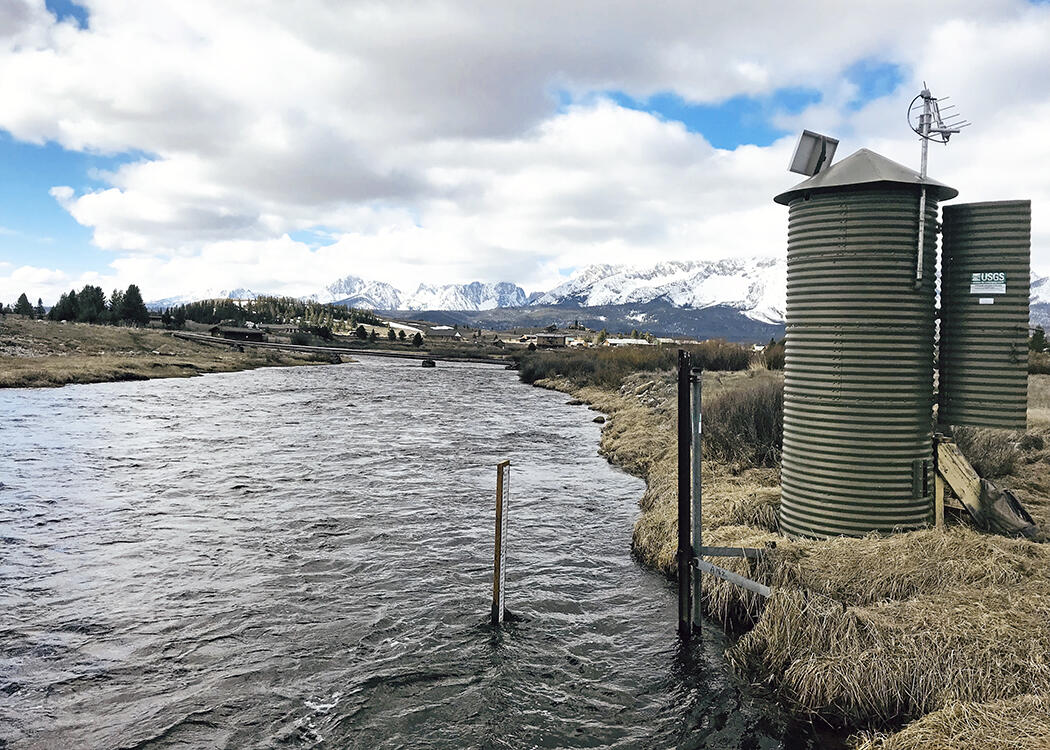
Warming Slows Deep Bedrock Water Renewal in Idaho Headwaters
Warming slows the renewal of deep bedrock water that feeds mountain streams even as shallow pathways turn over...

Bridgeport, Herbert Hoover Meet in WV Class AAA Title Game
Bridgeport and Herbert Hoover meet Saturday at 1 p.m. in the West Virginia Class AAA state championship at...

Maryland Extends Chesapeake Bay Commercial Blue Crab Season Four Days After Nor’easter
Gov. Wes Moore and the Maryland Department of Natural Resources announced Saturday, Nov. 28, that the Chesapeake Bay...

Columbia-Greene Humane Society Announces $500K Match for Grubin Center
The Columbia-Greene Humane Society/SPCA announced that an anonymous donor has pledged to match public donations dollar for dollar,...