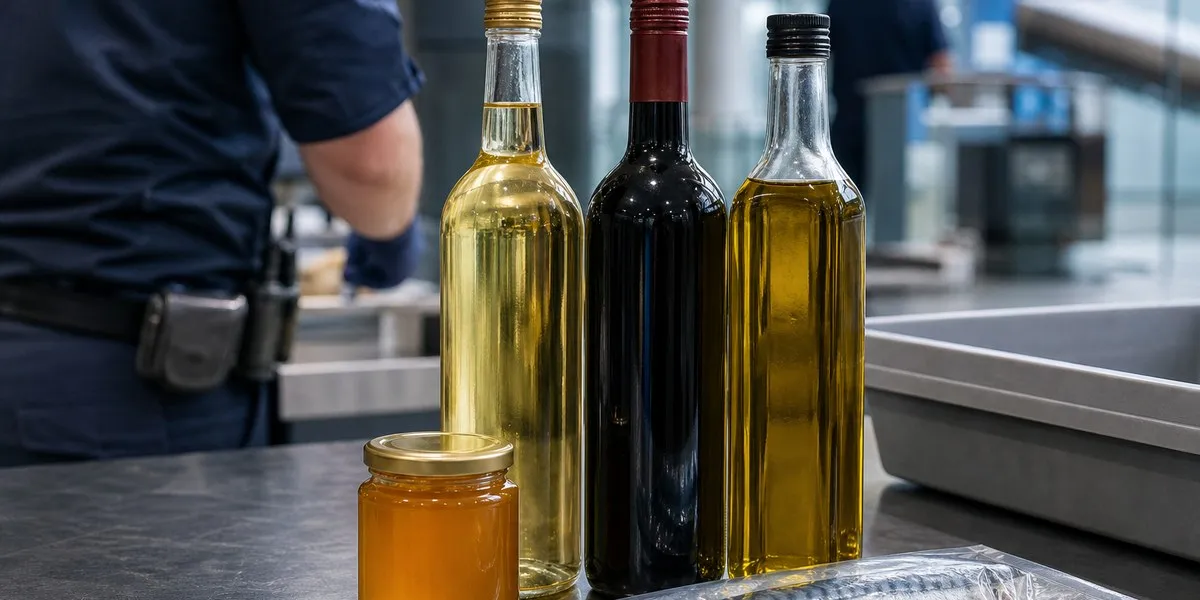
An international crackdown on food fraud seized more than €79 million worth of counterfeit and substandard products across 57 countries, New Food reported.
The six-month Operation OPSON XV, coordinated by Europol and Interpol with support from the European Anti-Fraud Office (OLAF) and the European Commission, ran from December 2025 through May 2026. Authorities conducted 17,071 inspections, arrested 79 people, referred 428 individuals to judicial authorities and disrupted 18 organised crime groups, according to figures released by Europol on Wednesday.
Investigators seized 526,328 counterfeit items, 227,800 litres of adulterated beverages and more than 1.65 million kilograms of food failing to meet standards. Interpol valued the total haul at USD 87 million. Meat, alcoholic beverages, fruit and vegetables were the most frequently targeted categories, though fats, oils, seafood, animal feed and non-alcoholic drinks were also affected.
“Counterfeit or adulterated food can cause illness, undermine food safety standards, and distort markets,” Europol said in a statement.
In Portugal, authorities charged three individuals over a scheme marketing 10,000 litres of vegetable oil as premium virgin olive oil, including through social media, seizing €200,000 in cash and four firearms. Canadian officials seized more than 10 tonnes of honey adulterated with sugar syrups, detected using nuclear magnetic resonance profiling.
Spanish authorities arrested two people for selling 227 kilograms of stolen farmed fish as wild-caught, with testing revealing drug residues.
Belgian and Italian investigators uncovered an illegal horse meat trade involving falsified passports and reused microchips, finding residues of prohibited veterinary medicines including phenylbutazone. In the United Kingdom and Italy, coordinated raids recovered 90 pallets of counterfeit wine and prosecco worth nearly €600,000, with forensic testing confirming most bottles were fake or mislabelled.
Brazilian authorities seized 90 tonnes of adulterated commodities, including 48 tonnes of sugar and 42 tonnes of soybeans, Wisevoter reported.
Turkish officials confiscated 137 food supplement items and more than a tonne of honey, while Ecuador intercepted 19,920 units of illicit alcoholic beverages suspected of lacking sanitary registration.
The operation also netted non-food items.
Ethiopian authorities seized 12,000 tablets and 1,800 capsules, including counterfeit insulin. In Côte d’Ivoire, officials confiscated 4,817 counterfeit apparel items and 7,200 litres of illegally transferred butane gas.
Europol said the intelligence gathered is expected to generate further investigations in the coming months.
Europol said the most frequent fraud involved meat, alcoholic beverages, fruit and vegetables, according to a statement released in The Hague. In Bulgaria, investigators found failure to comply with hygiene standards during meat production, while Canadian authorities detected honey adulterated with sugar syrups using nuclear magnetic resonance profiling.
Spanish officials uncovered the sale of farmed fish as wild-caught, and further schemes included oil adulteration, relabelling cheap wines as expensive ones, and repackaging expired or spoiled products with new labels.
Operation OPSON XV ran from December 2025 through May 2026 under the joint coordination of Europol and Interpol, the latter operating through its General Secretariat to facilitate worldwide police cooperation across 196 member states via National Central Bureaus.
Drawing on its broad mandate covering intellectual property infringement and organized crime, Interpol brought investigative support and expertise to food fraud investigations, helping authorities deploy forensic testing such as nuclear magnetic resonance profiling to detect honey adulteration.
Related reading

Katy Perry and Justin Trudeau ‘Third-Wheeled’ by French President in Loved-up Selfie
Katy Perry and Justin Trudeau shared a selfie with French President Emmanuel Macron on Wednesday, capping a European...

Ireland Opposes EU Digital Tax as Leaders Negotiate €1.58 Trillion Budget in Brussels
EU leaders gathered in Brussels on Thursday to negotiate the bloc's next seven-year budget, with Ireland opposing a...

Official Says ‘Ramayana’ Doubled Visitors at Kerala’s Jatayu Rock as India Pitches Global Production Hub
India is using the surge to pitch itself as a global production hub. Officials highlighted the India Cine...

US Army Detonated 68 Drums of Lead Azide in Middletown on November 25, 2026
The US Army detonated 68 drums of degrading lead azide at the Iowa Army Ammunition Plant in Middletown...