
Tennessee clarifies religious rights for foster youth.
Choosing and practicing a religion is protected for children in foster care, according to a new protocol. The U.S. Constitution safeguards these rights even when a child enters the system.
The child’s parents retain the right to express religious preferences. Age-appropriate children can choose their own spiritual activities. Foster families may invite a child to participate in their faith but cannot impose it.
“Choosing and practicing a religion is generally considered among the rights that parents have with respect to their children that is protected by the U.S. Constitution and remains intact even when a child enters foster care,” the protocol says.
The rules also address placement. Children should be placed, as far as is practicable, with families of the same religious faith as themselves or their parents.
Caseworkers help negotiate any challenges arising from differing religious practices between the foster family, the child, and their birth family.
Agencies must provide families with written policies on religious practices before a child is placed. They are also required to respect a child’s total heritage and religious preference.
Foster families are instructed to arrange for children to participate in the religion of their choice. Any questions should be discussed with the caseworker.
“Foster families should arrange for children to participate in the religion or faith of their choice. Any issues or questions that may arise should be discussed with the caseworker,” the Foster Parent Handbook says.
The policy is detailed in Tennessee Code Annotated § 37-5-506 and other state regulations.
Worth a look

South Dakota Road Trip: Badlands to Rushmore | WorldHotels – Best Western
South Dakota stretches wide with landmarks that have earned legendary status through genuine grandeur, Best Western reported. Mount...

Montana Filmmaker Screens Alaska Wilderness Documentary “Roadless” in Hometown
“My thought was, well, if somebody’s got to go show them, it might as well be me,” said...

Albuquerque Service Workers See Weekly Acts of Generosity, Say Trend Rose After Pandemic
Service workers in Albuquerque say they witness acts of generosity at least once a week, a frequency several...
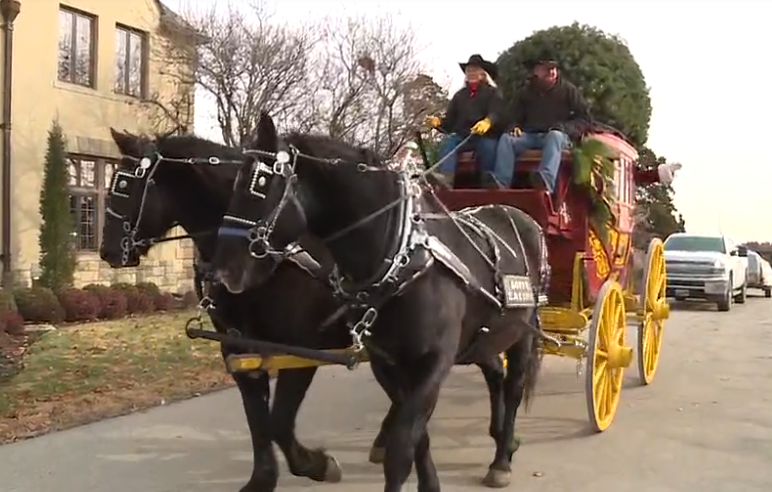
Lt. Gov. David Toland Accepts Annual Christmas Tree at Governor’s Mansion
The Kansas governor's mansion received its annual Christmas tree on Nov. 24, 2026, continuing a holiday tradition. Lt....