
A Norwegian trial found that adding supervised exercise and pelvic-floor muscle training to a pain-management course produced a short-term gain in sexual-function scores for women with endometriosis, but the benefit did not last to one year, researchers reported in Acta Obstetricia et Gynecologica Scandinavica in July 2026.
- 81 women with laparoscopically confirmed endometriosis were randomized to exercise plus pain management or pain management alone.
- At four months, the exercise group’s mean FSFI total score was 3.52 points higher (95% CI 0.49–6.54).
- Gains in lubrication and orgasm subscales reached significance; desire, arousal and pain did not.
- At 12 months, there were no statistically significant differences between the groups on any of the measures.
The two-arm, assessor-blinded randomized trial (NCT05091268) ran from 2022 to 2024. All 81 participants, aged 18 to 45, had laparoscopic confirmation of endometriosis and pelvic or genital pain rated at least 4 on a 0-to-10 scale. Every woman completed a four-hour multidisciplinary pain-management course.
The exercise group (n = 41) then attended weekly 60-minute supervised group sessions that combined general exercise with pelvic-floor muscle training (PFMT), plus weekly home training, for four months. The control group (n = 40) received no further intervention. Sexual function was measured with the Female Sexual Function Index (FSFI) at baseline, four months, and 12 months.
At the four-month mark, the exercise group’s mean total FSFI score exceeded the control group’s by 3.52 points (95% CI 0.49–6.54, P = 0.023), according to the study published in Acta Obstetricia et Gynecologica Scandinavica. Lubrication and orgasm likewise showed statistically significant between-group differences (mean difference 0.90, 95% CI 0.17–1.63, P = 0.016; and mean difference 0.81, 95% CI 0.07–1.55, P = 0.033, respectively). No major differences appeared in desire, arousal, satisfaction or pain at four months, or in any area at the 12-month follow-up.
A higher proportion of the exercise group was sexually active at baseline (83% vs. 65%) and at four months (92% vs. 61%).
Because the FSFI assigns a score of zero to women who are not sexually active, the authors repeated the analysis in the 56 participants who were sexually active at four months; the between-group difference in total FSFI score vanished (mean difference 0.05, 95% CI −2.21 to 2.31, P = 0.965). Mean scores in both groups remained below the FSFI cutoff for normal sexual function at all time points.
Acta Obstetricia et Gynecologica Scandinavica, the monthly open-access journal of the Nordic Federation of Societies of Obstetrics and Gynecology, published the endometriosis exercise trial in its July 2026 issue. The journal covers the full spectrum of women’s health, including gynecology, obstetrics, and fertility, placing the study squarely within its core scope.
According to Journal Citation Reports data from 2024, the journal carries an impact factor of 3.1, indicating a solid, mid-tier reputation in the field. Articles have been fully open access since 30 July 2021, ensuring broad visibility for the trial’s findings on sexual function outcomes.
Adherence to PFMT averaged 1.8 supervised and home sessions per week, below the prescribed dose. The study was powered for pain outcomes, not sexual function, and no adjustment was made for multiple testing. Most participants had minimal or mild disease, and loss to follow-up was high at 12 months.
The design also cannot separate the effects of general exercise, PFMT, or their combination.
“Adding supervised exercise and PFMT to pain management may improve sexual function in the short term but the findings should be interpreted with caution,” the authors concluded. They called for future studies with sexual function as a prespecified primary outcome.
Related reading

Horse Sport Ireland Liquidation Application Expected Thursday
High Court liquidation application expected Thursday for Horse Sport Ireland Around 40 jobs at risk at the Naas-based...
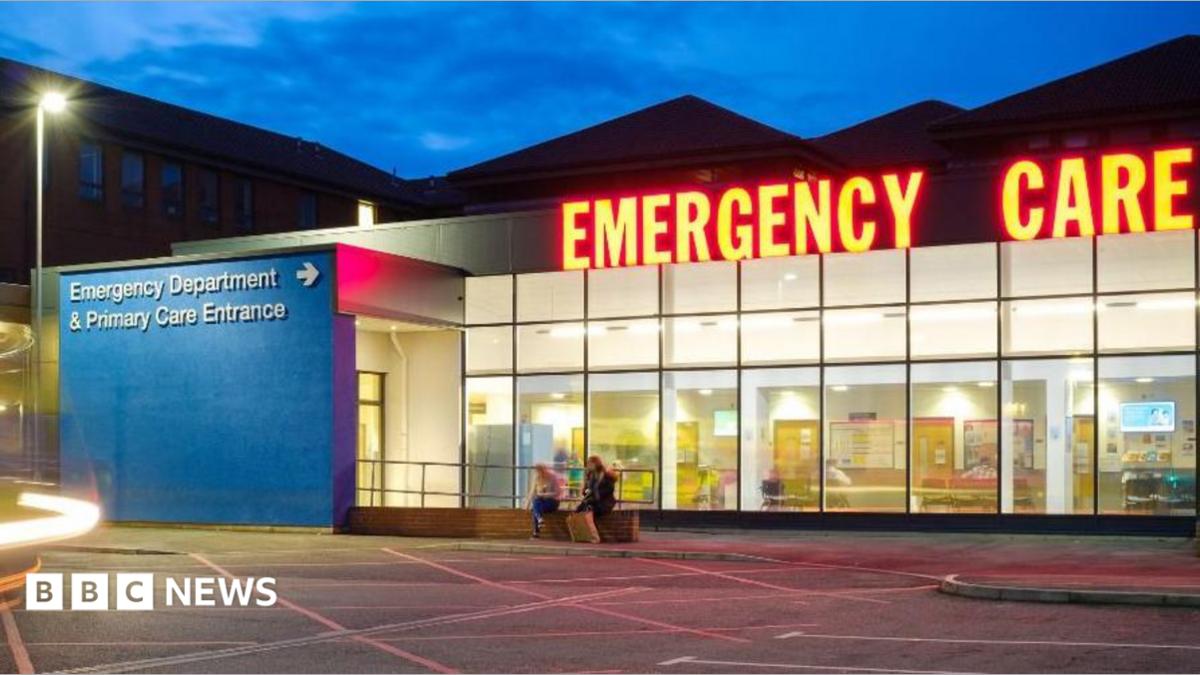
Sherwood Forest Hospitals Declares Critical Incident as East Midlands NHS Pressure Mounts
Sherwood Forest Hospitals NHS Foundation Trust declared a critical incident on Wednesday afternoon, citing sustained operational pressures across...

ESA Hera Images Reveal Stadium-Sized Crater on Dimorphos
ESA's Hera spacecraft has returned the first close-up images of asteroid Dimorphos since NASA's DART mission slammed into...

TN IAS Association Urges Action Against TVK MLA Arul Vignesh
The Tamil Nadu IAS Officers Association has urged Chief Secretary Sai Kumar to act against Kallakurichi MLA C...