
The Federal Aviation Administration ordered a nationwide ground stop for all airlines on Friday due to extraordinary circumstances and safety concerns.
The sudden restriction means no departing flights can take off, while inbound international flights are being managed on a case-by-case basis through air traffic control command center advisories. This decision effectively freezes domestic air travel across the country as officials work to resolve a critical technical failure.
“There is a communications issue impacting the regional air traffic control centers that direct planes between airports and nationwide,” Transportation Secretary Sean Duffy said in a social media post. He said that FAA technicians are currently investigating the source of the disruption.
While the grounding has caused immediate chaos at terminals, officials are working to reassure the public regarding the security of the airspace. At the Columbia International Airport, a spokesperson said they were informed by Department of Homeland Security officials that “there are no indications of a cyberattack and all aircraft are accounted for.”
The spokesperson added that “there are many aircraft still airborne,” though no flights are currently taking off from CAE.
The scale of this stoppage is rare, marking only the second time a nationwide ground stop has occurred since the events of September 11. The previous instance took place on Jan. 11, 2023, when a failure in the “notice to air mission” system—the vital mechanism that provides pilots with critical safety alerts—grounded flights for nearly two hours, according to Post and Courier.
The current outage presents immediate economic and logistical stakes for travelers, airlines, and the broader supply chain. For the millions of passengers currently stuck in terminals or diverted mid-flight, the “case-by-case” handling of international arrivals creates a period of intense uncertainty regarding connections and ground transportation.
The aviation industry relies on data flowing continuously between regional centers and individual cockpits. When that communication link breaks, the entire system defaults to a safety-first posture, halting movement to prevent any possibility of mid-air conflict or navigational errors.
As of Friday afternoon, the technical cause remains under investigation by FAA staff. This is a developing story.

Talent Shortage Threatens $124 Trillion Wealth Transfer
A massive talent shortage threatens to derail the advisory industry's ability to manage the $124 trillion generational wealth...
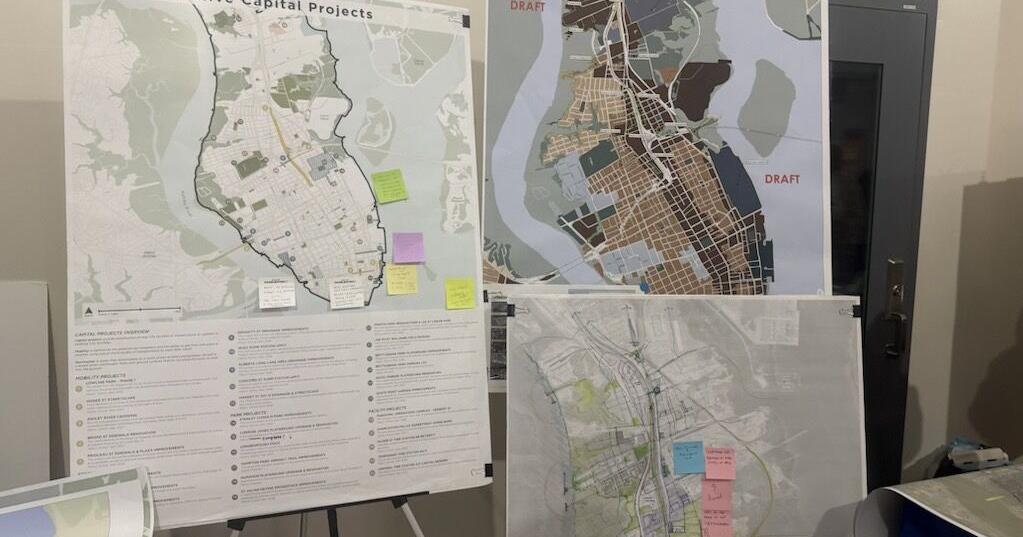
Mayor Cogswell Concludes State of the City Series on Peninsula
Charleston Mayor William Cogswell concluded his State of the City series on Nov. 12 by addressing the city's...

2026 NCAA DII Women’s Soccer Championship Bracket and Schedule
The 56-team, single-elimination championship bracket for the 2026 NCAA Division II women's soccer tournament is now in motion....

Vermont Supreme Court Orders Reconsideration of Devin Moffitt Murder Case
The Vermont Supreme Court has ordered a trial court to reconsider the dismissal of a murder case against...