Charleston Mayor William Cogswell concluded his State of the City series on Nov. 12 by addressing the city’s struggle to maintain affordability and infrastructure on the peninsula.
During the final event at Burke High School, Cogswell acknowledged that the municipal government has at times failed to meet resident expectations. He used the platform to outline a strategy for addressing long-standing hurdles, including flooding, pedestrian safety, and the widening gap between downtown employment and residential availability, Post and Courier reported.
“Trust me when I say we have heard you, we share your concerns and we are rolling up our sleeves,” Cogswell said, according to Post and Courier.
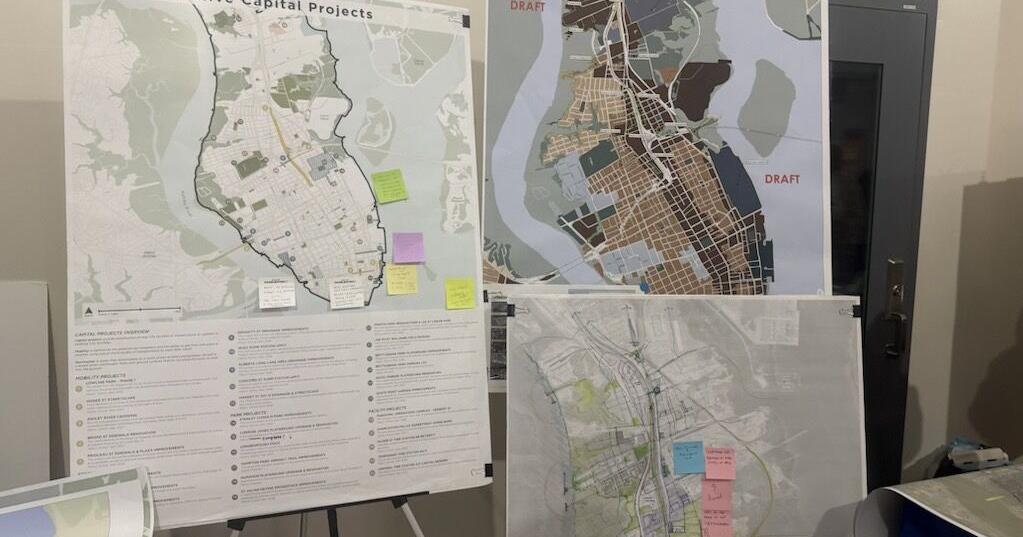
The administration’s focus on transparency included the launch of a new dashboard featuring an interactive map of all ongoing capital projects. This tool allows residents to filter data by specific areas, project types, funding sources, or current stages of development—information that was previously unavailable in a single, centralized location.
The Peninsula’s housing gap
A central tension in Charleston’s current growth model is the disconnect between where people work and where they live. City data shows that only about 9 percent of the people employed downtown actually reside on the peninsula.
To combat this imbalance, the city is working toward a goal of constructing 3,500 new affordable housing units by 2032. Officials expect to select designers within the next few weeks to create affordable housing models that can be scaled across dozens of acres while maintaining the specific architectural character of the city.
“This is a big deal,” Cogswell said. “This is a cultural issue, a social issue and an economic issue. What we’re talking about is not going to be easy.”
The scale of this undertaking reflects a broader regional challenge. As urban centers become more expensive, the workforce required to sustain local businesses and services is often pushed further into the suburbs, increasing traffic congestion and reducing the economic vitality of the city core.
The Peninsula Plan guides Charleston's development through 2027
The city’s long-term trajectory will be dictated by the Peninsula Plan. Once finalized in early 2027, this document will serve as the primary roadmap for Charleston’s development over the next two decades.
The plan intends to integrate several competing priorities, such as managing the pressures of tourism while simultaneously improving bike and pedestrian accessibility and mitigating flood risks. Critics of rapid urban development often argue that such large-scale planning can inadvertently drive up property values, further complicating the city’s ability to provide the very affordable housing it aims to build.
To ensure the plan reflects community needs, the city is facilitating direct engagement through various channels, including a recently launched podcast and a “resident academy.”
Residents can participate in a public forum regarding the plan on Nov. 19 at Burke High School, starting at 6 p.m., Post and Courier reported.
Recordings and presentation slides from the full series of State of the City events are currently hosted on the city’s official website.
Worth a look

Democrat Eileen Laubacher Defeats Rep. Lauren Boebert in Colorado
Democratic challenger Eileen Laubacher defeated incumbent Rep. Lauren Boebert in Colorado’s 4th Congressional District, NBC News reported. The...

Talent Shortage Threatens $124 Trillion Wealth Transfer
A massive talent shortage threatens to derail the advisory industry's ability to manage the $124 trillion generational wealth...

2026 NCAA DII Women’s Soccer Championship Bracket and Schedule
The 56-team, single-elimination championship bracket for the 2026 NCAA Division II women's soccer tournament is now in motion....

Vermont Supreme Court Orders Reconsideration of Devin Moffitt Murder Case
The Vermont Supreme Court has ordered a trial court to reconsider the dismissal of a murder case against...