
Federal Judges Weigh the Future of Louisiana Congressional Maps in Callais v. Landry
“Today we argued that this case should be dismissed. The plaintiffs have achieved their success on all of their claims,” Sara Rohani, an attorney with the Legal Defense Fund, stated. That stark assessment set the stage in Shreveport, Louisiana, where federal judges heard arguments on whether the redistricting litigation in Callais v. Landry should remain open.
The underlying legal battle follows a United States Supreme Court ruling that struck down an earlier congressional map featuring a second majority-minority district because it was drawn based on race. While that particular map was discarded, the immediate outcome of the current proceedings does not alter the voting boundaries used for the midterm elections. Yet, advocates warn that keeping the door open on the active docket could lead to challenges against the state’s sole remaining Black-majority district.
The courtroom showdown centered on a motion to dismiss brought by state attorneys and legal defense groups. Representing voters weighing a challenge to Louisiana’s current congressional map, lawyers for the plaintiffs pressed for room to examine whether constitutional violations linger within District 2, the state’s only remaining majority-minority territory. Conversely, defense counsel maintained that the original terms of the dispute have been satisfied, arguing that any fresh grievances regarding racial gerrymandering demand an entirely separate lawsuit.
“And what they’re trying to do now is just hijack a procedurally improper phase of the case to push forward new claims, to try to take down the second majority Black district,” Rohani explained during the proceedings.

Attorneys representing the plaintiffs countered that they intend to bring forth “all the proof they can muster” by December 15 if they officially decide to pursue complaints tied to District 2. That forthcoming material could incorporate fresh data analyzed in the wake of the midterm elections, though no specific formal complaints concerning the district were introduced during the hearing itself.
Outside the Courtroom: National Stakes and Community Response
Shortly after the session concluded, voters, lawyers, and representatives from the POWER Coalition gathered on the courthouse steps to voice their anxieties regarding changing election rules.
“We’re not here because the United States Supreme Court simply eliminated one Black opportunity district. We are here because they are coming for the only one that we have left,” said Nora Ahmed, legal director of the ACLU of Louisiana.
The sentiment was echoed by Press Robinson, the lead plaintiff in Robinson v. Callais. Emphasizing the broad geographic reach of the ongoing dispute, Robinson pointed out that any potential challenges could have effects across the country.
“It’s going to affect the political process, not only at every level of the political process, but all throughout this country. This is big, y’all. This is really, really big,” Robinson told assembled reporters and community members.
As the legal teams prepare for the next phase, the immediate focus shifts to the upcoming court date on December 15. Representatives for the plaintiffs did not immediately respond to requests for comment regarding their final strategy for the mid-December deadline.
Worth a look
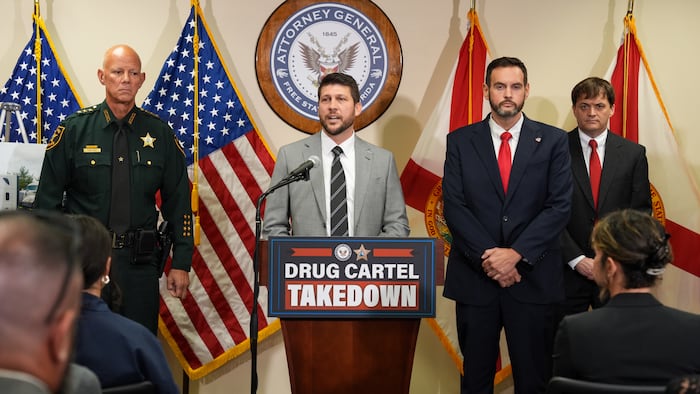
Florida Officials Dismantle Sinaloa Cartel Pipeline to Tampa Bay
State Prosecutors Dismantle Major Sinaloa Cartel Pipeline Stretching From El Paso to Tampa Bay Federal and state law...

Hartford Athletic Opens Spring 2027 operations and Event Internships
Hartford Athletic Opens Spring 2027 Operations and Event Internships via TeamWork Online Hartford Athletic, Connecticut’s professional soccer team...

Wilmington Leaders Say Progress is Being Made Toward Vision Zero
One year after launching its Vision Zero initiative, Wilmington city leaders say they are making measurable progress toward...
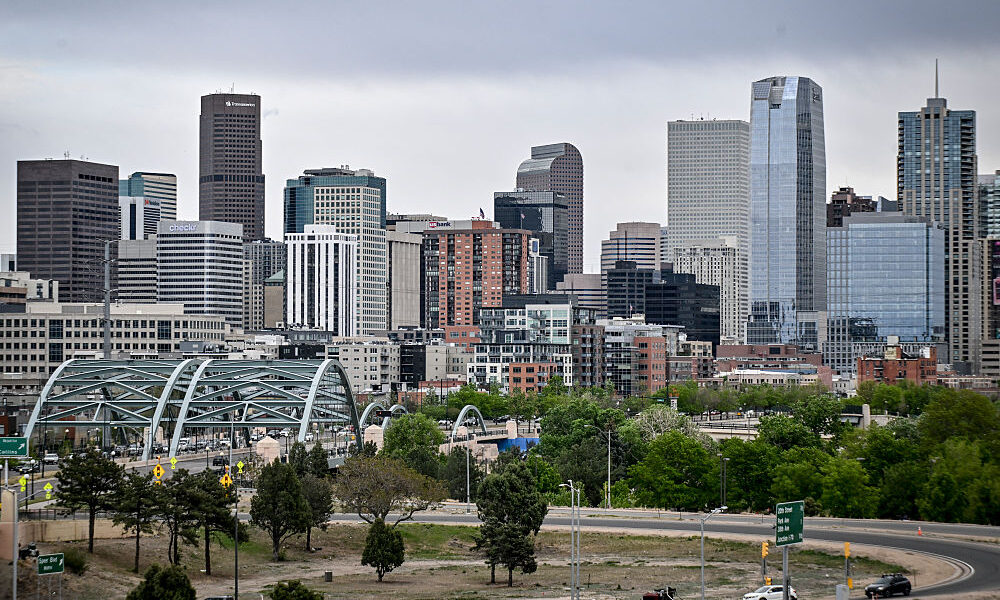
Denver is one of seven finalist cities to host NCAA Men’s Final Four
Denver is now one step closer to bringing college basketball to Colorado, having landed on a shortlist of...