Federal rules on REAL ID enforcement at federal facilities, including Dover Air Force Base, took full effect May 7, 2025, with agencies required to complete the phase-in by May 5, 2027.
Since May 7, 2025, visitors without a REAL ID‑compliant driver’s license must present a passport or birth certificate paired with a non‑compliant ID to obtain a visitor pass, MyBaseGuide reported. The requirement stems from 6 CFR Part 37, which gave federal agencies until May 5, 2027, to complete the phase-in.
Sponsors Must Stay with Guests at All Times
Every unofficial guest must process through the Visitor Control Center with a sponsor who remains with them at all times. The escort must be a U.S. citizen with a DoD affiliation — military service, civilian employment, a DoD contract, or a legal benefit such as retiree or dependent status — and must already hold unescorted access, according to DoD Manual 5200.08, Vol. 3.
“Your escort is provided by whoever is sponsoring your visit, or is otherwise associated with it, and must stay within reasonable visual contact of you,” the manual says. Each service and base sets the number of people one escort may accompany and can require additional training.
Two Fitness Reviews Determine Base Access
Access decisions rest on two fitness reviews: historic fitness from criminal history and current fitness that includes terrorism watchlists, felony warrants, and the National Sex Offender Registry.
No one on a U.S. government terrorism watchlist may receive unescorted access except under specific counterintelligence or FBI agreements. A felony want or warrant also bars unescorted entry, though services may grant exceptions for convicted felons after weighing offense severity, recency, and rehabilitation.
Bases must post disqualification criteria and appeal procedures at the visitor center and on installation websites. If a denial results from mistaken identity, a redress process separates the records; if the derogatory information is accurate, an appeal can seek an exception based on individual circumstances.
Veterans and caregivers
Purple Heart recipients, Medal of Honor recipients, former prisoners of war, veterans with service‑connected disabilities, and VA primary family caregivers have enjoyed commissary and MWR privileges since January 1, 2020, under 10 U.S.C. 1065 and 32 CFR 225.
On a first visit to each base, they must enroll at the visitor center with a Veteran Health Identification Card or REAL ID, pass an on‑the‑spot background check, and have eligibility verified electronically, according to VA guidance dated November 15, 2024. Enrolled veterans may later access the base for VA or military medical appointments by showing the same credential plus an appointment reminder.
Trusted Traveler Programs Allow Vehicle Vouching
Some installations run trusted traveler programs allowing an approved ID holder to vouch for everyone in the same vehicle, but only at force protection conditions Normal, Alpha, or Bravo. Short‑term visitor passes are valid for the visit’s purpose but never longer than seven days. Long‑term credentials, where permitted, last up to one year or the service’s limit, whichever is shorter.
Children under 18 without credentials may enter with a parent or guardian who has unescorted access. Guests riding with an enrolled veteran must stop at the visitor center themselves, present acceptable photo ID, complete the same three‑step process, and may not use base services.

Riverside County Man Pushes Stricter Catalytic Converter Theft Laws Across California
"You got to imagine that something like that happens for many working people," said Daryl Terrell, a Riverside...
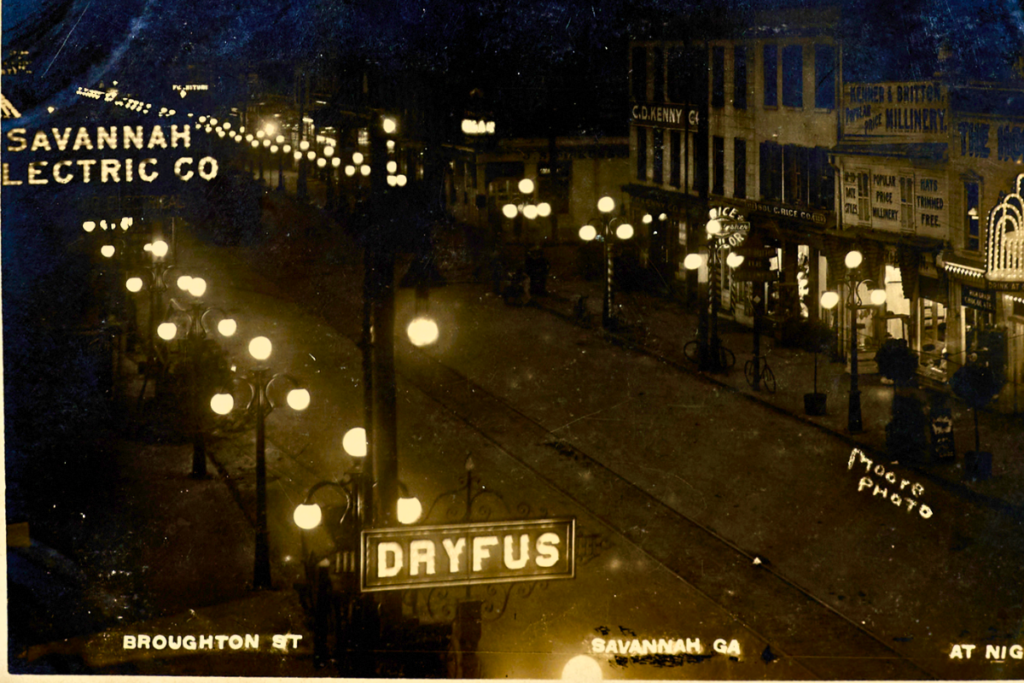
Georgia Power Celebrates 100 Years of Network Underground Service in Georgia
Georgia Power is marking a century of its Network Underground system, an infrastructure effort that now delivers electricity...

Jaguars Rule Out Parker Washington vs. Titans; WR Week-to-Week With Shoulder Injury
Jacksonville Jaguars wide receiver Parker Washington will miss Sunday's game against the Tennessee Titans with a shoulder injury...
Rhode Island Artists Can Apply for $5,000 Make Art Grants Starting Feb. 1
Rhode Island artists can apply for Make Art Grants starting Feb. 1, offering award amounts of up to...