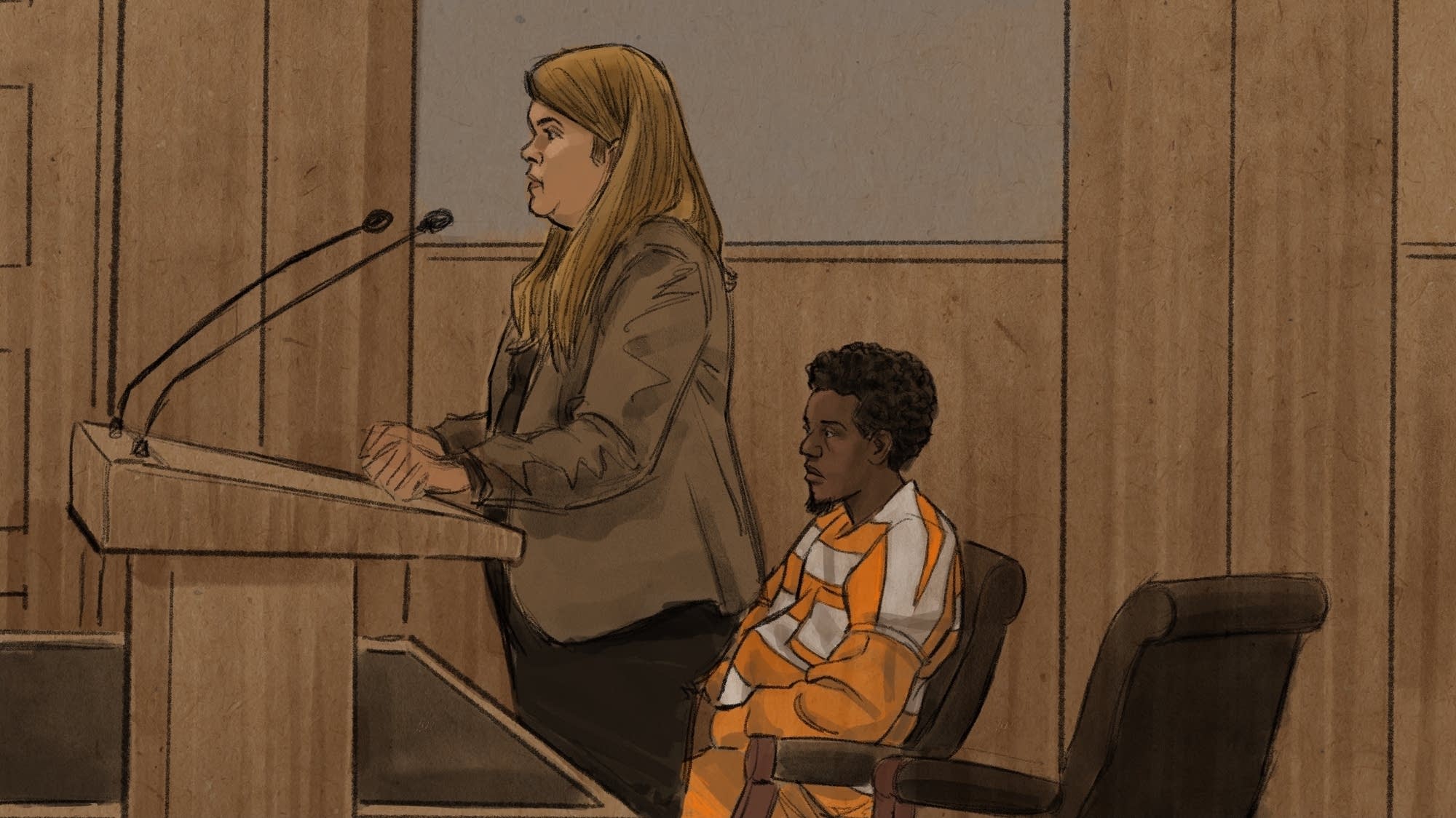
Salim Said, a central figure in the massive Feeding Our Future fraud scheme, was sentenced to 30 years in federal prison on Wednesday, Oct. 28, 2026. U.S. District Judge Nancy Brasel handed down the sentence after Said was convicted of 21 counts, including wire fraud, money laundering, and bribery, for siphoning millions of dollars from taxpayer-funded child nutrition programs. The ruling marks one of the steepest penalties in a sprawling case that has seen 81 defendants charged since 2022.
This isn’t just a story about a few missing checks; it’s about the systemic weaponization of a federal safety net. By pretending to feed hungry children during a global pandemic, Said and his associates turned a public service into a scalable business model for personal enrichment. The fallout extends beyond the lost funds, damaging the perceived integrity of government programs in Minnesota and leaving a wake of financial restitution that reaches into the tens of millions.
The cost of a scalable fraud
The scale of the theft centered on the Safari Restaurant on Lake Street in Minneapolis, which Said co-owned. According to prosecutors, the restaurant served as a hub for a fraudulent operation that claimed to provide thousands of meals daily. However, FBI surveillance told a different story, showing an average of only 40 people per day actually collecting food, according to FOX 9. While the public believed children were being fed, Said was allegedly expanding this model through nonprofits in Willmar, St. Cloud, and Mankato.
The financial discrepancy is staggering. While the total Feeding Our Future scheme is estimated at $250 million, Said’s specific role was particularly lucrative. Assistant U.S. Attorney Rebecca Kline told the court that Said siphoned $13 million from taxpayers, though prosecutors overall attributed $44 million in losses to Said and his associates at Safari. This money didn’t go toward childcare or nutrition; it funded a “gilded mansion” on Park Avenue in Minneapolis, a fleet of luxury cars, and real estate in Plymouth and Columbus, Ohio, as reported by FOX 9 and MPR News.
The court has already moved to claw back these assets. Judge Brasel ordered Said to forfeit $7.8 million, along with a 2021 Mercedes Benz, a 2021 Chevrolet pickup, and several commercial and residential properties.
A clash over culpability and trauma
The sentencing hearing revealed a sharp divide between the defense’s plea for mercy and the prosecution’s demand for accountability. Defense attorney Barry Zone argued that a 40-year sentence—the term requested by prosecutors—was excessive for a non-violent crime. Zone highlighted Said’s traumatic beginnings in Somalia, describing a childhood marked by physical and sexual abuse and a journey through refugee camps in Kenya. He argued that Said’s actions were driven by a deep-seated fear of poverty and homelessness.
The prosecution, however, viewed the trauma as irrelevant to the calculated nature of the crime. Rebecca Kline pointed out that Said was not in a “financial tough spot” and already held a successful job at his restaurant. The government’s case rested on the idea that Said wasn’t a desperate man, but an architect of greed who lied repeatedly while on the witness stand.
“You took more than taxpayer money to enrich yourself,” Judge Brasel told Said. “You took the reputation of our state down with you.”
The defense also attempted to shift the primary blame to Aimee Bock, the ringleader of the entire scheme. Zone argued that Bock was the “gatekeeper” who signed every check, suggesting Said was merely a participant. This distinction did little to move the judge, who noted that Said had actively bribed Bock to secure his place in the fraud, including a $310,000 purchase of a non-functioning childcare center in Burnsville used to disguise a kickback payment.
The hierarchy of the Feeding Our Future sentences
Said’s 30-year term is the third-longest sentence handed down among the 32 people sentenced in the case so far. To understand the legal weight of this judgment, it helps to look at the leadership structure of the fraud.
| Defendant | Role | Sentence | Restitution/Forfeiture |
|---|---|---|---|
| Aimee Bock | Ringleader | ~42 Years | $243 Million |
| Abdiaziz Farah | Defendant | Longer than 30 Years | Not specified in sources |
| Salim Said | Architect | 30 Years | $44 Million (Restitution) |
What remains unsettled
While Said’s fate is sealed for the next three decades, the broader legal ripple effects continue. Because Said is a legal permanent resident of the U.S., Judge Brasel noted that he could face deportation following his prison term. He will also serve three years of supervised release upon his exit.
The case also leaves open the question of how much of the $250 million can actually be recovered. While the government has seized mansions and luxury cars, the vast majority of the stolen funds have likely been spent or hidden. As Judge Brasel lamented during the hearing, the association between “Minnesota” and “fraud” may linger long after the final defendant is sentenced.

Flathead County spent approximately $58,000 on Trump visit security
Hosting a sitting president requires an extraordinary logistical lift, and in the Flathead Valley, that bill has officially...

Pride of Detroit author says Lions Vikings game could dictate season
As the Detroit Lions prepare to face the Minnesota Vikings in a pivotal mid-season matchup, observers are drawing...

AAA Urges Mississippi Lawmakers to Implement Hands-Free Driving Law
AAA is calling for a "Hands Free" law in Mississippi, where drivers averaged 31.3 phone interactions per 100...

Minnesota Senate Candidate Austin Peterson Injured in Rollover Crash
"I am grateful to be alive," said Austin Peterson, a Republican candidate for the Minnesota Senate, following a...