
Auditor Fitzpatrick Touts GOP Independence in Missouri’s 2026 Statewide Race
“And my record, going all the way back to my time as a member of the House, has been that I’m not going to hit pause on criticizing what I view as mismanagement or bad decisions being made,” Missouri Auditor Scott Fitzpatrick said during a recent appearance on the Politically Speaking podcast.
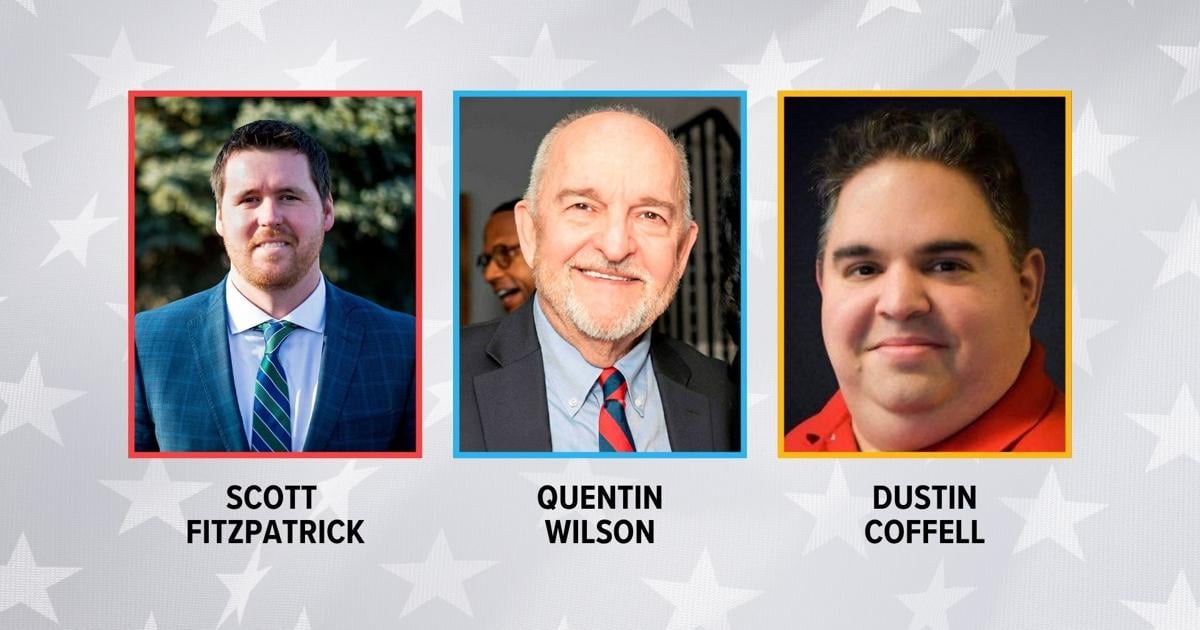
As the only statewide contest on the Missouri ballot in November 2026, the race for state auditor has drawn distinct battle lines over how to oversee government spending. Fitzpatrick, a Republican who took office in January 2023 after serving as state treasurer and chairing the House Budget Committee, is seeking a second term. He faces Democratic challenger Quentin Wilson and Libertarian candidate Dustin Coffell.
In an effort to place more attention on the work done by his office and reduce confusion among members of the media who struggle to correctly identify him, the Missouri State Auditor announced today he will now be known simply as Fitz. The auditor formerly known as Scott… pic.twitter.com/PxBM0LXwSz
Fitzpatrick defended his tenure by arguing that scrutinizing a state government fully controlled by his own party actually strengthens his findings. Dismissing the idea that only a Democrat can effectively run the office, he noted that auditing fellow Republicans shields his work from dismissal as a political witch hunt. That independent streak has formed the core of his reelection pitch.
| Candidate | Party | Key Priority / Stance |
|---|---|---|
| Scott Fitzpatrick | Republican | Focus on state programs, local audits, and independent oversight of GOP-led agencies. |
| Quentin Wilson | Democrat | Restructure the office to mirror the U.S. GAO, targeting $1 billion in annual savings. |
| Dustin Coffell | Libertarian | Brings an accounting background and chairs the Missouri Libertarian Party. |
Dueling Visions for State Government Performance
While Fitzpatrick points to concrete figures from his first term—such as an examination of Jackson County’s property tax assessment process and a Medicaid audit that flagged roughly 10,000 dual-enrolled individuals—his opponents are pitching structural changes to the office. Wilson, a former director of the Missouri Department of Revenue, wants to model the auditor’s office after the U.S. Government Accountability Office.
Wilson has campaigned on a promise to slash spending by an average of $1 billion a year over a four-year term, focusing heavily on health programs like Medicaid. By contrast, Fitzpatrick said his second-term goals include expanding evaluations of statewide programs to determine which agencies operate efficiently and which ones no longer serve a clear purpose.
Beyond fiscal oversight, the candidates diverge sharply on high-profile constitutional amendments on the ballot. Fitzpatrick voiced support for Amendment 3, which seeks to ban most abortions and restrict gender-affirming care for minors in the state constitution. He also stated his opposition to Amendment 6, a measure designed to make it harder for the legislature to overturn certain ballot initiatives.
With the contest unfolding under the visibility of broader federal anti-fraud efforts highlighted by the Trump administration, voters must decide whether to stick with Fitzpatrick’s record of internal Republican critique or pivot to Wilson’s promised restructuring.

AAA Urges Mississippi Lawmakers to Implement Hands-Free Driving Law
AAA is calling for a "Hands Free" law in Mississippi, where drivers averaged 31.3 phone interactions per 100...

Minnesota Senate Candidate Austin Peterson Injured in Rollover Crash
"I am grateful to be alive," said Austin Peterson, a Republican candidate for the Minnesota Senate, following a...
Electra to Invest $850 Million in New Aircraft Production Facility in Springfield, Ohio
Mike DeWine and local leaders gathered in Springfield on Wednesday, Oct. 28, 2026, to celebrate the establishment of...
Using ABLE Accounts to Save for Disabled Children in Idaho
For Idaho parents of children with disabilities, the desire to provide a financial safety net often crashes directly...