
Desiring God published an essay outlining five ways congregations can support pastors’ children, urging churches to disciple them, shield them from conflict, acknowledge family sacrifice, affirm their fathers’ calling, and pray for their enduring faith.
The piece, written by a pastor’s kid married to another pastor’s kid, argues that children in ministry families often bear unseen burdens while receiving disproportionate scrutiny.
Disciple them, don’t assume maturity
The author warns that church members frequently expect pastors’ kids to display spiritual maturity beyond their years. “Expecting children to imitate a pastor with years of Holy Spirit transformation under his belt can place an undue burden on them — and overlook the true state of their hearts,” the essay says.
It cites Luke 2:52, noting Jesus himself “grew in wisdom and stature during childhood,” and Luke 2:46–47, describing him at age twelve “listening, repeating, and asking questions of the temple teachers.” Discipleship, the author writes, helps children “translate knowledge of Jesus in their heads into love for him in their hearts.”
Keep conflict away from the parsonage
Church disputes follow pastors’ children home whether leaders intend it or not. “When gossip, rivalry, lies, or dissension disrupt fellowship, the church needs a clear-eyed pastor to walk into, not away from, conflict,” the essay says.
Members should address grievances directly with the pastor per Matthew 18:15–17 rather than airing them to his children. The author urges congregants to be “quick to hear, slow to speak, slow to anger” (James 1:19) to protect kids from “untamed tongues” that “deeply wound and distract from Jesus’s unchanging character.”
Acknowledge the whole family’s sacrifice
Ministry schedules rarely follow standard hours. Late-night elder meetings, hospital visits, and counseling sessions erode family time. The essay notes Paul’s teaching that ministers “get their living by the gospel” (1 Corinthians 9:14) and suggests churches protect pastors from burnout through sabbaticals and “appropriate, loving expectations” that prioritize family. Tangible care — meals, help with house projects, special outings for children — “shows God’s goodness in a tangible way.”
Thank God for their dad
Affirming the pastor’s calling reinforces his children’s sense of purpose. “Your appreciation and respect for your pastor remind his kids that his work is worth it,” the author writes.
The essay traces Jesus’s self-description as the “good shepherd” (John 10:11) and Peter’s later exhortation to “shepherd the flock of God that is among you” with “willing, eager oversight” (1 Peter 5:2). Pastors serve in hope of an “unfading crown of glory” from the “chief Shepherd” (1 Peter 5:4).
Pray for enduring faith
The author invokes Epaphras, who was “struggling on [their] behalf in his prayers, that [they] may stand mature and fully assured in all the will of God” (Colossians 4:12). Prayer builds a “sandbag wall of certainty” around children’s hearts rooted in Romans 8:28.
The essay asks congregations to pray against bitterness, for growing understanding of the gospel, and that pastoral parents “would never stop speaking about God’s wonderful works in their home.” The goal: children who “continue in what [they] have learned and have firmly believed . . . from childhood” (2 Timothy 3:14–15) and become “oaks of righteousness” (Isaiah 61:3).
Worth a look
Bismarck Approaches Record for Latest First Snowfall of Season
Bismarck has recorded no official snowfall this season as of November 28, approaching the latest first snow on...
Sergey Schepkin Argues Samuel Barber Is Greatest American Composer
Pianist Sergey Schepkin argues that Samuel Barber stands as the greatest American composer in a conversation ahead of...
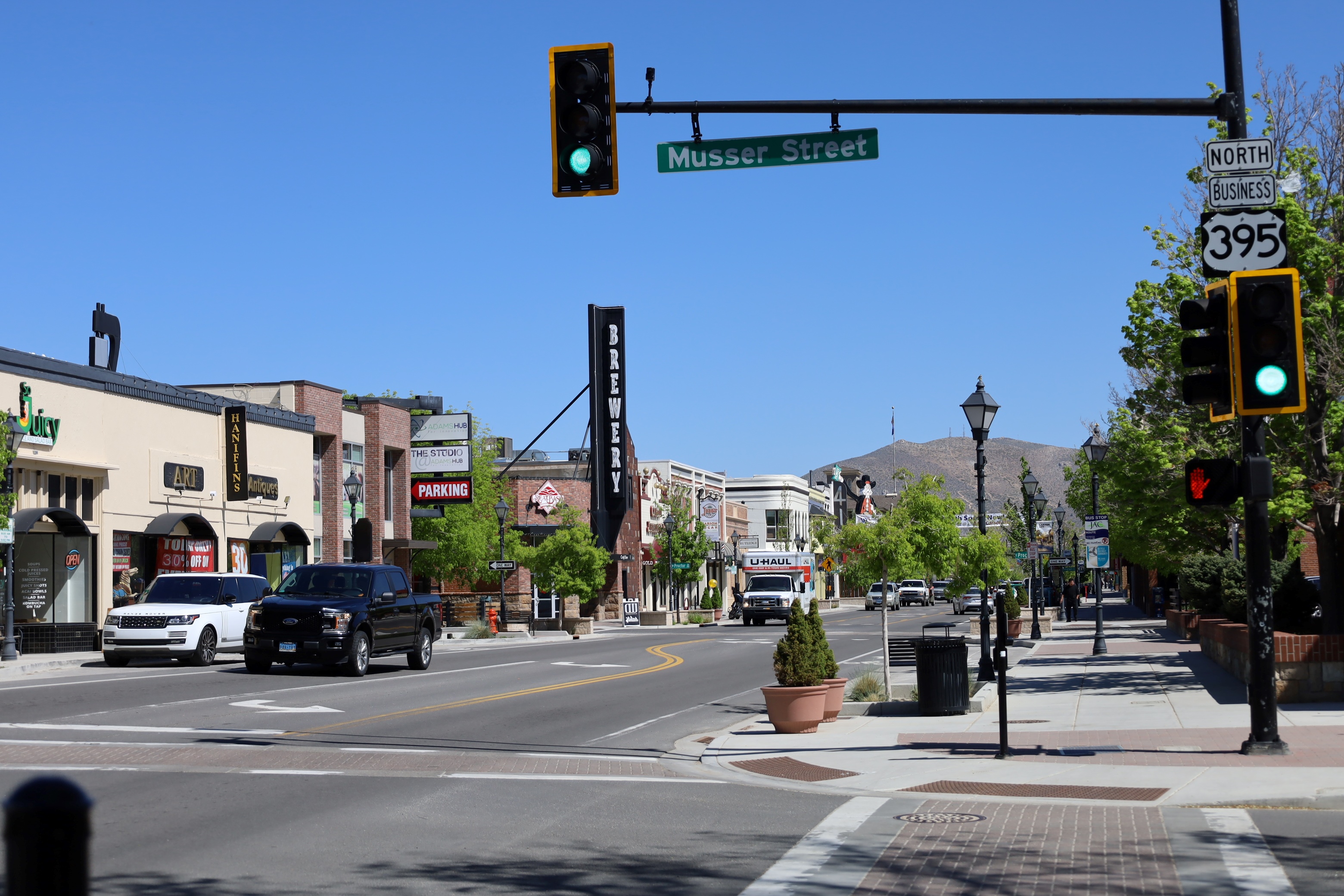
Carson City to Have Two Downtown Street Closures and Lane Restrictions
Drivers in Carson City will face two downtown street closures and more than a dozen lane restrictions starting...

Bengals Lead Saints 6-0 After First Quarter in Rainy Week 12 Matchup
The Cincinnati Bengals led the New Orleans Saints 6-0 after the first quarter at Paycor Stadium on Sunday....