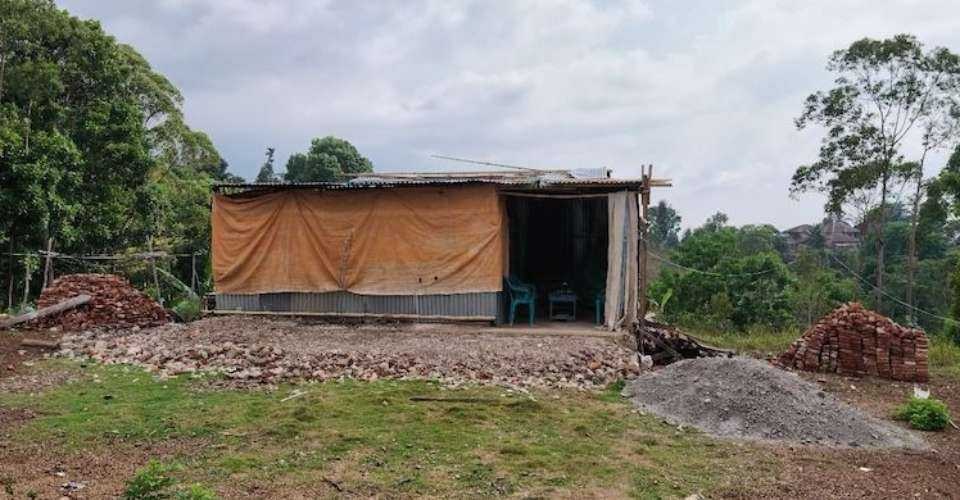
Three months after an earthquake struck Flores on Aug. 15, reconstruction has barely begun, leaving more than 180,000 displaced residents in makeshift shelters as the rainy season sets in, Herald Malaysia reported.
The quake killed at least 100 people, injured more than 1,600 and damaged more than 73,000 houses across East Nusa Tenggara province, according to official data.
Government assessments conducted between Aug. 28 and Sept. 9 classified thousands of homes as severely damaged, making owners eligible for 70 million rupiah (US$3,800) in permanent housing assistance and a promise of temporary shelters or a 600,000 rupiah (US$33) monthly rental allowance while they waited.
In Maras hamlet, teacher Marselina Yugensia Harni, 32, and her neighbor Adrianus Patria Tote dismantled their self-built bamboo shelters on Oct. 17 after a Labuan Bajo official said construction materials would arrive within two days. The materials never came. “If it were only us, it would be fine. The problem is these two kids,” Harni told UCA News. A vendor delivered four sacks of cement on Oct. 29 but collected them again on Nov. 3. Tote said his vendor also retrieved cement, leaving only sand. Village head Servasius Narto told Tote a new vendor had taken over; Narto did not respond to a request for comment. Vendors must front construction costs because the government has provided no advance payments, Tote said. They are reimbursed only after at least 10 units are completed and inspected. As of late October, work was underway on at least 27 housing units, but construction had not started in at least seven subdistricts of Labuan Bajo despite a government pledge to finish by December. Provincial lawmaker Junaidin Mahasan estimated about 70 percent of existing temporary shelters were built by volunteers and community initiatives.
In Elar subdistrict, resident Stanis Laus said villagers built six emergency shelters themselves after going almost a month without assistance. “We here still and badly need help,” he told UCA News. Delays are compounded by a corruption investigation involving the National Disaster Management Agency (BNPB). The anti-corruption watchdog has named at least 14 suspects and detained five over alleged irregularities in emergency procurement worth 148 billion rupiah (about US$8.1 million). Provincial Gov. Melki Laka Lena told the provincial legislature on Nov. 4 that shelter delays were linked to the corruption case. The trial has yet to begin. Gregorius Afioma, an anthropologist and doctoral student at the University of Toronto conducting research in his home village, said the slow response exposed the vulnerability of Flores, long regarded as one of Indonesia’s disadvantaged regions.
“Without a serious evaluation of how the response is handled, I doubt villagers will be reached soon. It has already been three months, and the pace looks very slow, while the rainy season has already begun here,” he said. In Mbeliling subdistrict, Agus Jalut, his wife Anita Bian and their son still sleep in a 3-by-3-meter tent.
“We prepared it, but it hasn’t happened,” he said. In Tondong Belang village, Maria Kejora, 59, spent a month in a tent before building her own makeshift shelter. “Maybe permanent housing can’t be built this year. So, we wait for temporary housing,” she said.
Related reading
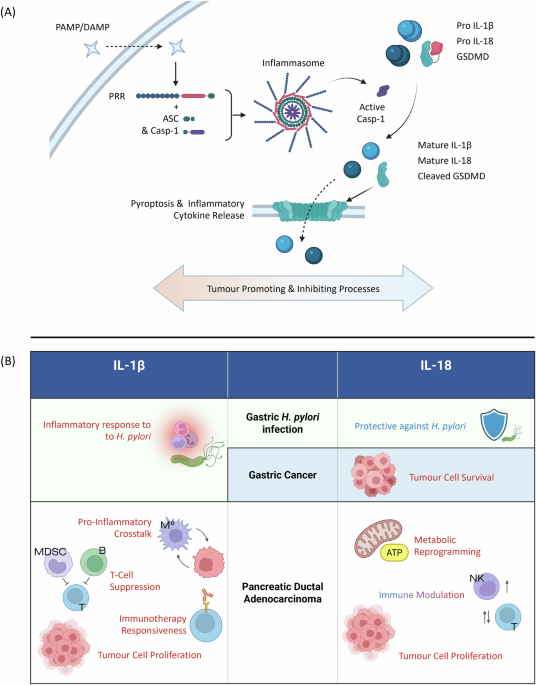
Studies Link Inflammasome Cytokines IL-1β, IL-18 to Gastric, Pancreatic Cancer Mechanisms
New research maps how inflammasome-driven cytokines IL-1β and IL-18 fuel gastric and pancreatic cancers, challenging the view that...

Barcelona, Lyonnes Reach UWCL Quarters With Big Wins
Barcelona and OL Lyonnes secured direct quarter-final places in the UEFA Women's Champions League on Thursday, while Bayern...

World’s Largest AI Breast Cancer Screening Trial Launches in UK with 700,000 Women
NHS England has launched the EDITH trial, the world's largest study of artificial intelligence in breast cancer screening,...

Toronto Police Arrest Man Charged in Malik Abass Murder, Second Suspect at Large
Toronto police have arrested a 19-year-old man in connection with the fatal shooting of 18-year-old Malik Abass, who...