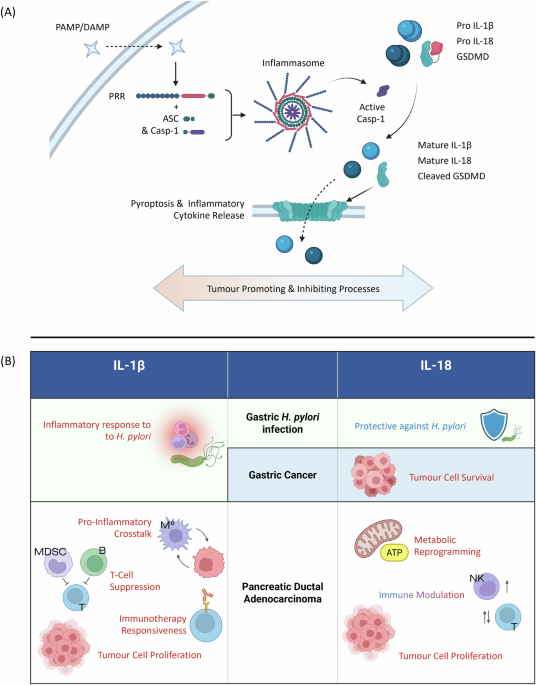
New research maps how inflammasome-driven cytokines IL-1β and IL-18 fuel gastric and pancreatic cancers, challenging the view that inflammation merely accompanies these tumors.
- A 2026 Nature Communications study shows the inflammasome protein ASC drives pancreatic cancer through mitochondrial metabolism, not just immune signaling.
- Gastric cancer research identifies an IL-18-mediated, inflammation-independent mechanism where ASC suppresses apoptosis in tumor cells.
- Helicobacter pylori activates the NLRP3 inflammasome via ROS and the cag pathogenicity island to release IL-1β and IL-18.
- Serum IL-18 levels correlate with worse survival in gastric cancer and predict poor immunotherapy response in lung cancer.
Pancreatic cancer: ASC rewires metabolism
Chey et al. reported in Nature Communications (2026) that the inflammasome adaptor ASC links innate immunity with mitochondrial metabolism to drive pancreatic cancer progression. The study demonstrates cancer cell-intrinsic ASC functions independently of canonical inflammatory pathways, suggesting metabolic targeting may complement immune approaches. Nature Communications
Gastric cancer: IL-18 blocks cell death
Deswaerte et al. found in Cancer Research (2018) that ASC suppresses apoptosis of gastric cancer cells through an IL-18-mediated mechanism that operates without inflammation. This inflammation-independent role distinguishes gastric from pancreatic carcinogenesis despite shared inflammasome components. Cancer Research
H. pylori triggers inflammasome activation
Helicobacter pylori induces IL-1β and IL-18 production in human monocytic cells through NLRP3 inflammasome activation via ROS signaling, requiring the cag pathogenicity island. The cytosolic DNA sensor AIM2 also promotes Helicobacter-induced gastric pathology via the inflammasome, while NOD1 mediates IL-18 processing in epithelial cells responding to infection in mice.
Elevated IL-18 links to metastasis and poor survival
Elevated serum IL-18 levels associate with increased metastasis, immune escape via CD70 downregulation and CD44 maintenance, and worse overall survival in gastric cancer patients. In advanced non-small-cell lung cancer, plasmatic inactive IL-18 predicts worse overall survival with early metabolic progression after immunotherapy initiation. IL-1β overexpression in mice induces gastric inflammation, cancer, and myeloid-derived suppressor cell mobilization.
Genetic susceptibility and microbiome links
IL-1β polymorphisms modify gastric cancer risk in H. pylori-infected individuals across multiple populations, with meta-analyses confirming the association. The gastric cancer burden attributable to H. pylori was quantified across 27 countries in 2022. Distinct gut and oral microbiome signatures characterize gastric cancer patients, while gut microbiota shapes cancer immunotherapy responses.
Targeting the IL-1/IL-18 axis
Preclinical work shows eupafolin hinders gastric cancer–fibroblast cross-talk by abrogating IL18/IL18RAP signaling. Targeting IL-1β in advanced H. pylori infection has been proposed as potential gastric cancer therapy. The balance between IL-18 and its binding protein IL-18BP emerges as a regulatory checkpoint in inflammatory disorders and cancer.
Whether inflammasome inhibition can translate into clinical benefit without compromising host defense against H. pylori and other pathogens remains an open question, said the researchers.
Worth a look
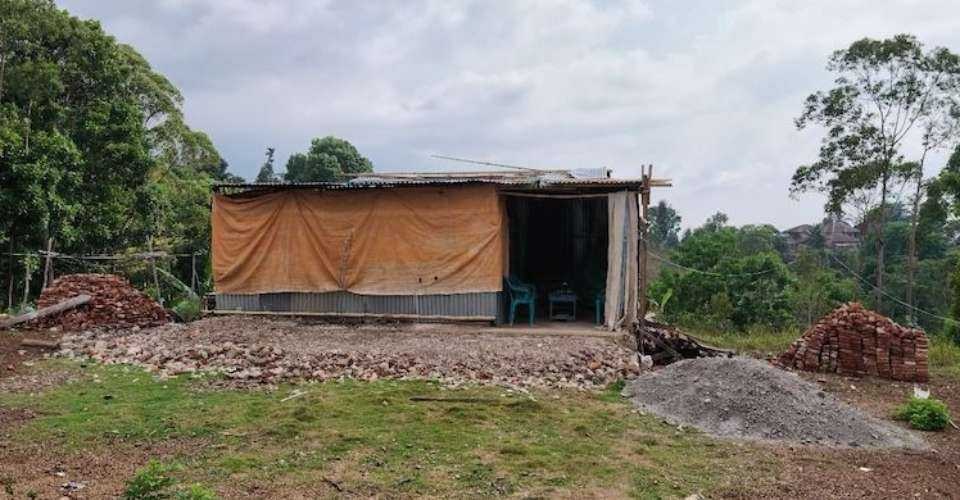
Flores Quake Reconstruction Stalls, 180,000 Displaced Three Months
Three months after an earthquake struck Flores on Aug. 15, reconstruction has barely begun, leaving more than 180,000...
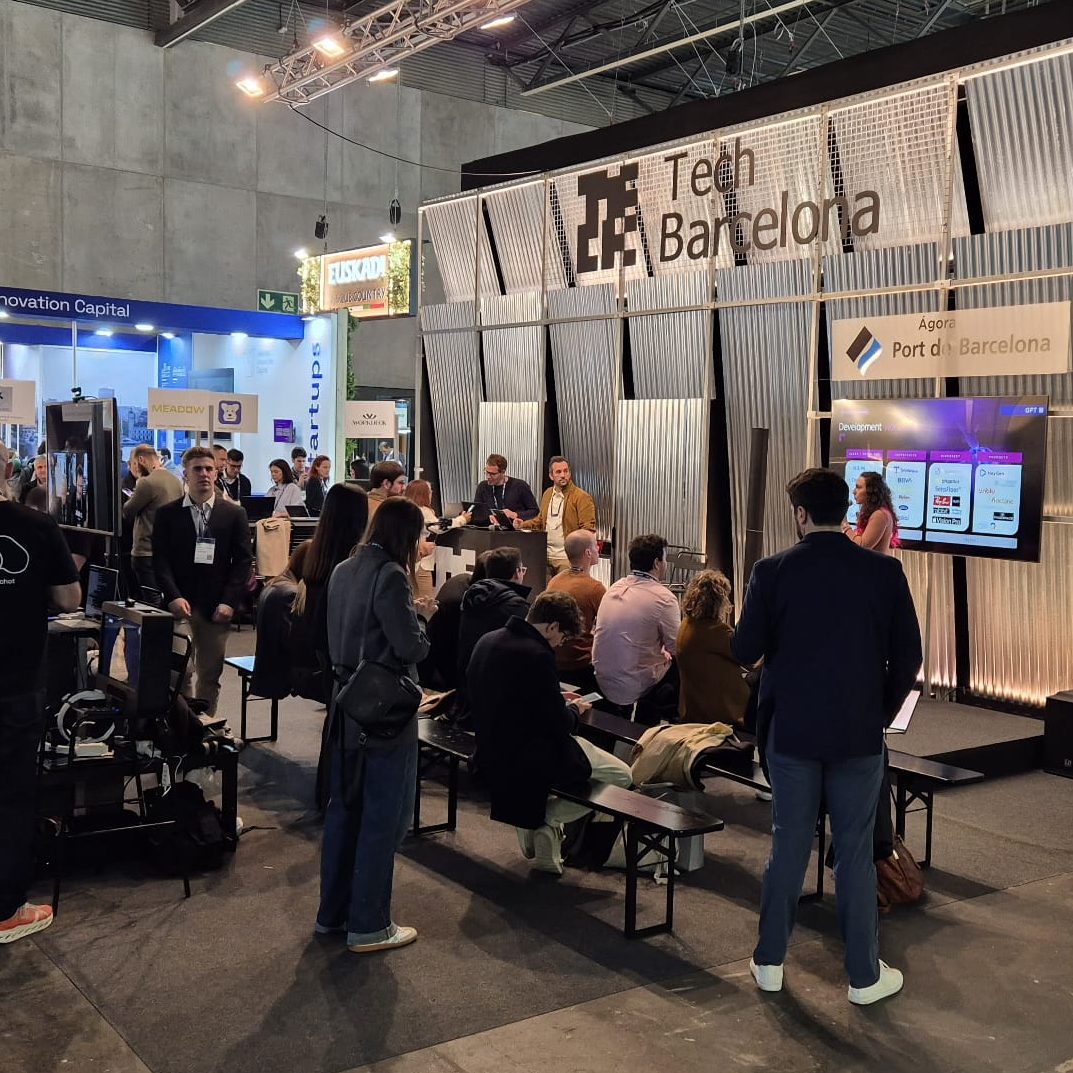
Barcelona, Lyonnes Reach UWCL Quarters With Big Wins
Barcelona and OL Lyonnes secured direct quarter-final places in the UEFA Women's Champions League on Thursday, while Bayern...

World’s Largest AI Breast Cancer Screening Trial Launches in UK with 700,000 Women
NHS England has launched the EDITH trial, the world's largest study of artificial intelligence in breast cancer screening,...
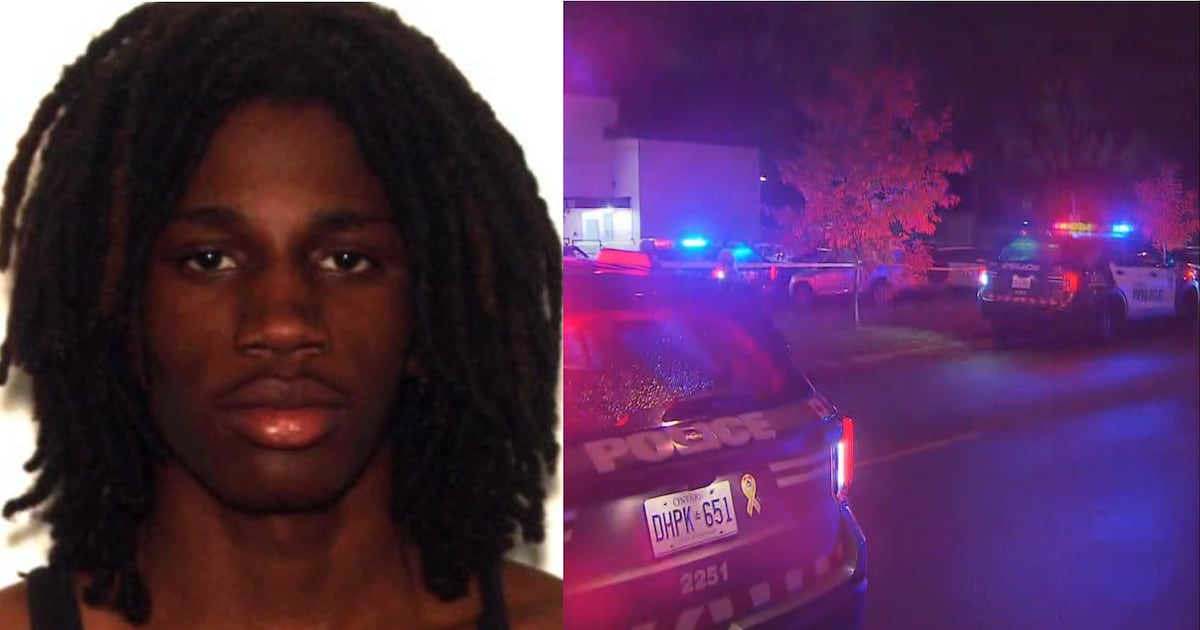
Toronto Police Arrest Man Charged in Malik Abass Murder, Second Suspect at Large
Toronto police have arrested a 19-year-old man in connection with the fatal shooting of 18-year-old Malik Abass, who...