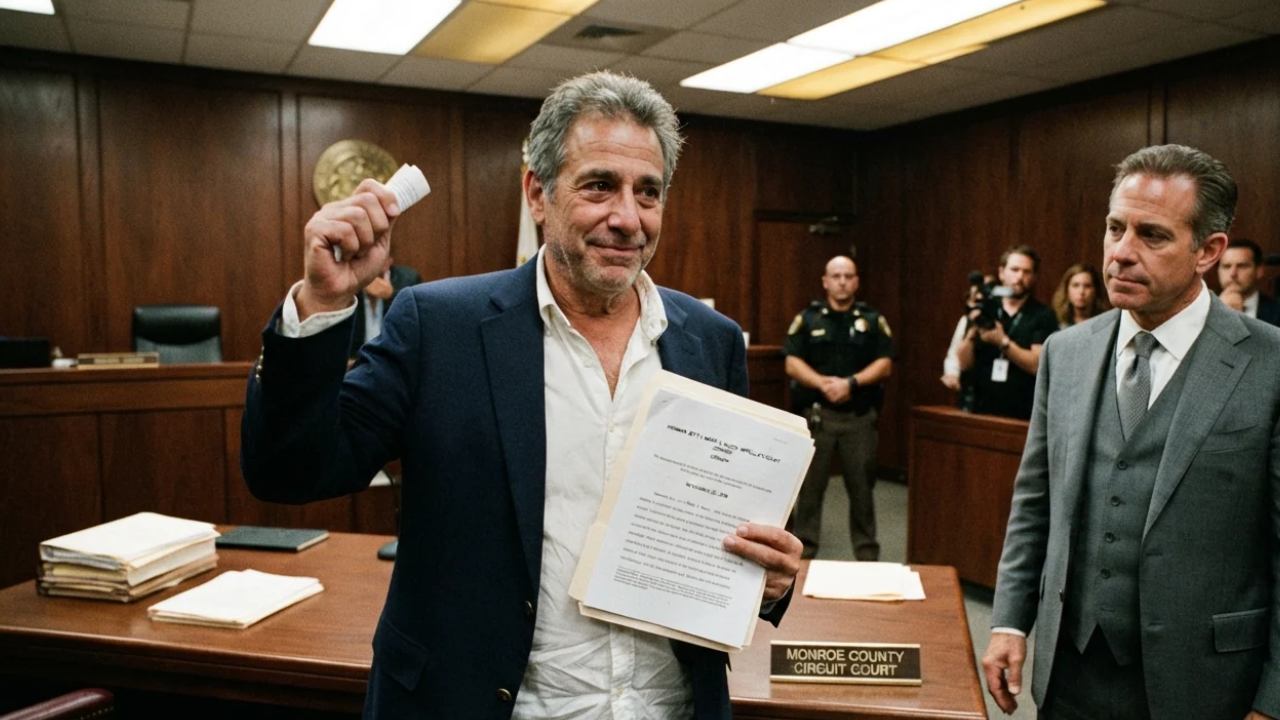
A Florida appeals court gave Herman Levy a second chance to challenge copies of a will after the originals vanished, reversing a lower court that had shut him out.
The Florida Third District Court of Appeal ruled on 25 November 2026 that Levy had shown enough legal interest in Renee Paris’s estate to pursue his petition, The Times of India reported.
Paris died on 28 December 2023.
Her attorney, Mark S. Mucci, petitioned to administer the estate using copies of a will dated 13 February 2014, and a codicil signed 4 June 2019, after “diligent efforts” failed to locate the originals. The person who prepared the documents did not have them either. The Monroe County Circuit Court admitted the copies to probate, naming the Renee Paris Revocable Living Trust as beneficiary and Mucci as personal representative.
Levy filed a petition to revoke the admission of those copies, arguing he is Paris’s sole heir at law. If the will and codicil are invalid, he said, the estate would pass to him under Florida’s intestate succession statute. Mucci moved to strike the petition, contending Levy lacked standing. The circuit court agreed and dismissed it.
The Third District disagreed.
In an opinion by Judge Miller, joined by Judges Lobree and Gooden, the court held that Levy’s allegations — that he is the only legal heir and would inherit if the documents fall — satisfy the threshold under Section 733.109(1) and the definition of an “interested person” in Section 731.201(23).
“At this stage, they were required to accept the properly pleaded factual allegations as true and draw reasonable inferences in Levy’s favour,” the court wrote. The case is Herman Levy v. Mark S. Mucci, No. 3D25-2319.
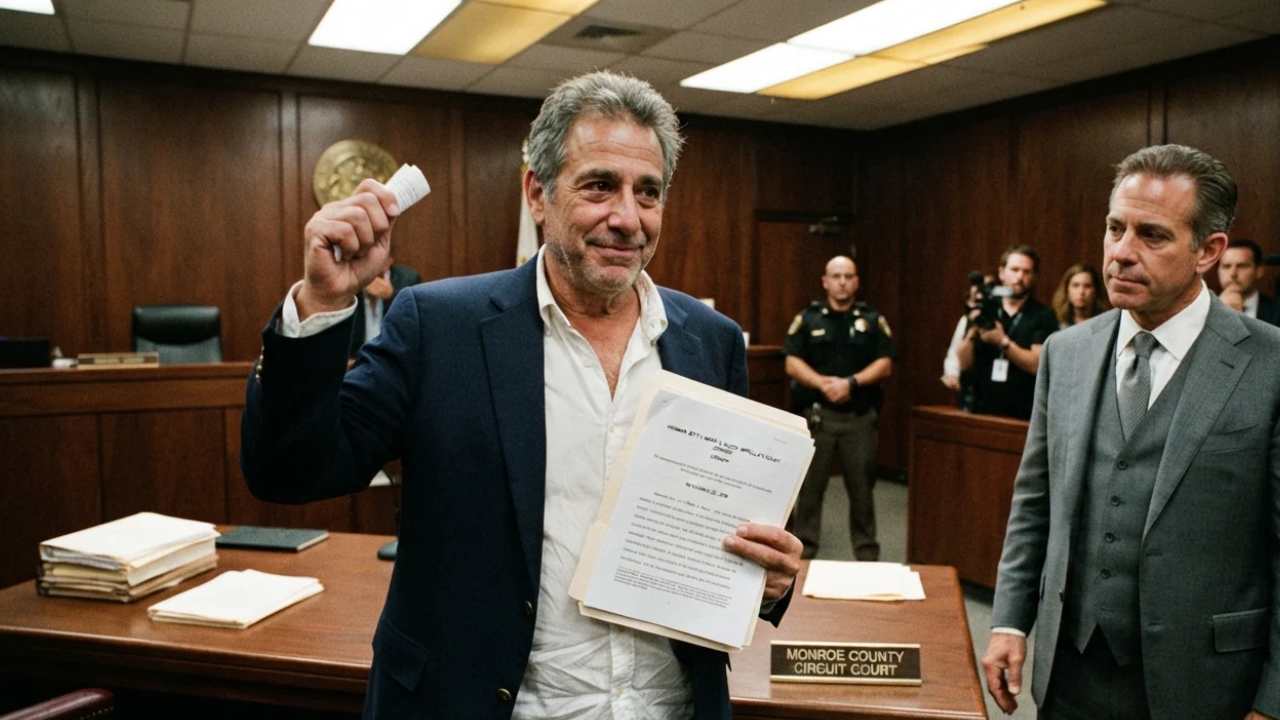
The burden then shifts to the proponent to prove otherwise. The Florida Supreme Court established that presumption in its 1952 decision, and the Third District applied it to the unresolved factual questions in this case.
The panel sent the case back for further proceedings on both issues.
The ruling does not invalidate the will or remove Mucci. It sends the case back for further proceedings on two unresolved issues. First, the record does not show whether formal notice was given to persons who would inherit under intestacy, as Florida Probate Rule 5.270(a) requires when a lost will is established.
Second, the court noted the longstanding presumption from In re Washington’s Estate (1952): when an original will cannot be found after death, the law presumes the testator destroyed it with intent to revoke. The burden shifts to the proponent to prove otherwise.
Those factual questions, the panel said, “had not yet been sufficiently developed for it to reach a final decision.”
Paris’s will and codicil remain admitted to probate while the lower court takes up the petition again.
USDA Designates Three North Dakota Counties as Natural Disaster Areas Due to Drought
The U.S. Department of Agriculture has designated three North Dakota counties as natural disaster areas due to severe...

CF Industries Acquires Faustina Ammonia Plant for $360 Million
Deal structure and production targets ItemFigureSource Cash at closing$360 milliongasworld, Reuters, VCPost Offtake agreement value$240 milliongasworld, Reuters, VCPost...

Concord Medical Gets NYSE Notice Over Delayed 20-F Filings
Concord Medical received a NYSE non-compliance notice on November 23, 2026, for delayed 20-F filings and has six...

Maersk Ship Loses Steering Near Chesapeake Bay Bridge, Anchors Safely
"The ship did not make contact with the bridge or impact bridge operations," the Maryland Transportation Authority said...