
Florida officials are canceling community events and cutting grants to comply with a state law taking effect in January that bans local governments from funding or promoting activities tied to diversity, equity and inclusion.
Delray Beach preemptively canceled its St. Patrick’s Day parade this month after its legal department deemed the event “ethnic” and therefore a violation, Hawaii Tribune-Herald reported. In the Florida Keys, officials cut grants for Pride events, drag shows and an Italian heritage organization.
A decades-old women’s flag football tournament added a men’s division to keep public funding. One commissioner, citing legal advice from the county attorney’s office, said Broward County cannot fund a Greek film festival, a boys’ choir or a women’s tennis tournament.
The law, signed by Gov. Ron DeSantis in the spring, prohibits local governments from directly or indirectly funding, promoting or taking official action related to DEI activities. It defines DEI as anything promoting or providing preferential treatment or special benefits based on “race, color, sex, ethnicity, gender identity, or sexual orientation.”
DeSantis called Delray Beach’s parade cancellation “malicious compliance” aimed at scoring political points. The city’s mayor told the South Florida Sun-Sentinel that its legal department deemed the parade an “ethnic” event that promotes a certain group.
Separately, Procter & Gamble said Thursday it plans to increase the number of factories capable of running shifts without human intervention over the next several years to save up to $10 billion. The Cincinnati-based maker of Gillette razors, Tide Pods and Crest toothpaste currently operates 15 such sites worldwide and plans to add more in 2027.
“We are taking unattended operations to a whole new level,” Luc Reynaert, chief product supply officer, said in a presentation to investors in Cincinnati.
The company said unattended operations will improve manufacturing productivity by up to 20% over the next four years. P&G has also deployed autonomous robots at loading docks and in warehouses and experimented with driverless trucks.
United Auto Workers President Shawn Fain called robots replacing humans in factories a “profound threat” in a June speech at the union’s quadrennial constitutional convention.
Josh Bivens, chief economist at the Economic Policy Institute, said unattended factories were “not the thing that keeps me up at night,” because it is difficult to stop automation once companies begin upgrades. He said the United States should increase its social safety net to better cover displaced workers.
Worth a look

Firefighter Suffers Cardiac Arrest Battling 3-Alarm House Fire in Mansfield Township
A Mansfield Township firefighter collapsed and went into cardiac arrest while battling a three-alarm house fire late Monday...

Manchester City Host Napoli in Champions League; TV and Streaming Providers Listed
Manchester City host Napoli at the Etihad Stadium on Tuesday, 24 November, with kick-off at 20:00 UK time....

Review: The Great Departure Exposes Abuse, Oppression in Varanasi Drama
Pierre Filmon's The Great Departure presents a Varanasi-set drama that strips away romantic convention to expose domestic abuse...
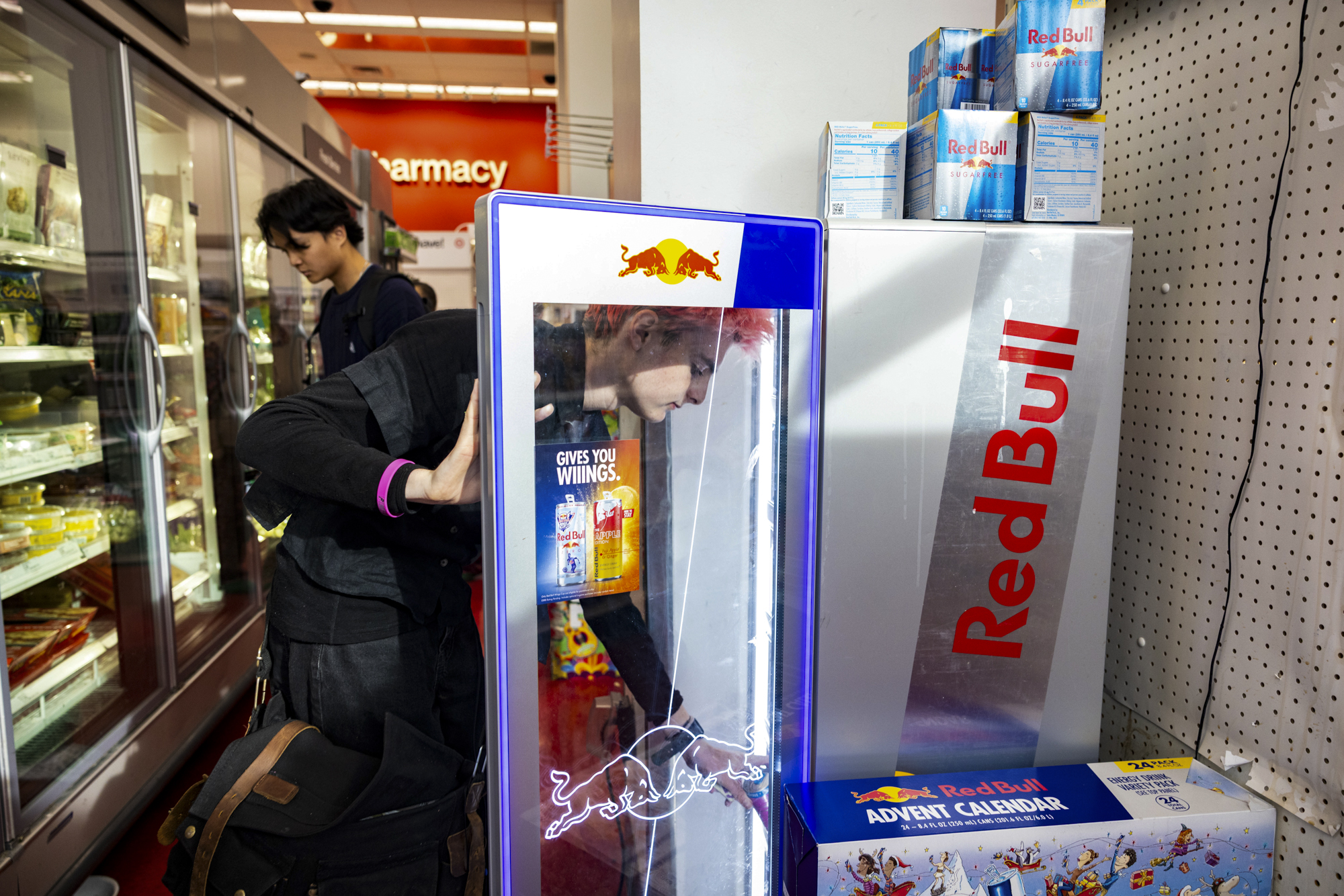
Berkeley Voters Approve Measure AA to Double Soda Tax
Berkeley voters approved Measure AA in the November midterm election, doubling the city's tax on sugar-sweetened beverages from...