A New Era for Pa. Energy Policy, With Data Centers and Fracking in the Crosshairs
For decades, Pennsylvania’s Democratic legislators have been stymied, their environmental and energy-related bills blocked by political gridlock. Now, for the first time since 1993, they control the Senate, the House, and the governorship. With a razor-thin 26-24 majority in the Senate, every vote counts.
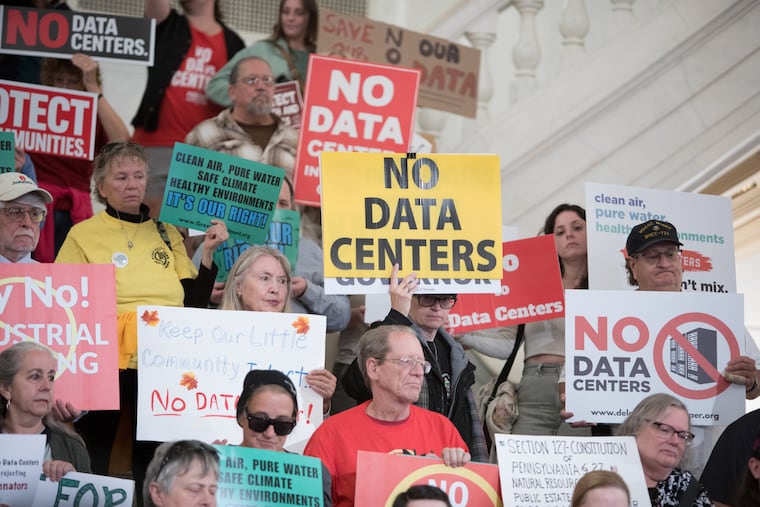
The pressure to act is immediate and immense. Lawmakers are being pushed to confront one of the most pressing issues of our time: the explosive growth of hyperscale data centers. These massive facilities, proposed for Bucks, Chester, and Montgomery Counties, are not just a technological phenomenon; they are a flashpoint for environmental anxiety and a direct challenge to the state’s strained electrical grid and rising consumer energy costs.
The data center issue is the environmental issue of our generation. You cannot talk about the environment without talking about data centers in Pennsylvania right now.
That sentiment, from Ginny Kerslake of the nonprofit advocacy group Food and Water Watch, captures the urgency. With Republicans no longer able to block legislation in Harrisburg, the political excuses have vanished. Kerslake argues the only reason Democrats would fail to act on a statewide moratorium is if they bow to pressure from tech companies, the energy industry, or building trades. The stakes are high: if they fail to act, she believes lawmakers will face backlash from their own party and Republicans, many of whom also support moratoriums.
A Tale of Two Moratoriums
The debate over data centers is already shaping up into a fight over competing approaches. On one side is a bill with strong bipartisan support that has already passed the House. Sponsored by State Rep. Paul Friel, a Democrat from Chester County, the bill would allow municipalities to voluntarily impose a moratorium on data center proposals for up to 180 days. The goal is to give towns breathing room to craft their own local ordinances that could limit how and where these enormous facilities are built.
On the other side are activists like Kerslake, who want a much stronger, statewide action. They support a bill sponsored by State Sen. Katie Muth, also a Democrat from Chester County, that would impose a three-year statewide moratorium on all hyperscale data center development and permitting. While the Friel bill is seen as a more palatable first step, the Muth bill represents a more definitive stance against the rapid, unchecked expansion of the data center industry. This bill has been referred to a committee, leaving its future uncertain.
The situation is complicated by a major political shift at the top. Just this summer, Gov. Josh Shapiro, who initially embraced the data center boom, signed a sweeping executive order that would restrict their development. This marks a significant reversal and puts him in a more cautious camp, aligning him more closely with the concerns of residents and environmental groups.
The Weight of History and Voter Anxiety
The newfound power of Democrats in Harrisburg is historic. David Hess, a former secretary of the Pennsylvania Department of Environmental Protection under Republican governors, called it the biggest change he has seen in state politics in 50 years. Hess, who now runs a popular environmental blog, is clear: “Democrats have to show progress on those issues, or they’ll suffer the same fate the Republicans had in this election. People want results.”
Those results are expected quickly. Hess points to anxiety over utility bills as a primary driver of voter sentiment. He warns that voters’ patience will run out fast if Democrats don’t deliver a highly targeted agenda. Hess argues this means transitioning from a heavy reliance on the state’s vast Marcellus Shale reserves to a more balanced “all of the above” energy policy that incorporates renewables. But he also emphasizes that the state’s environmental regulations for natural gas drilling, which have remained unchanged for 23 years, are badly in need of an update. That includes increasing the distance of gas projects from communities and banning the practice of dumping drilling wastewater on roads.
The legislative math is daunting. As David Masur, executive director of PennEnvironment, points out, lawmakers have to build the ship while they sail it. With a Senate majority so slim that tie votes automatically fail, and a caucus that includes both progressive members and conservative Democrats from fossil-fuel-dependent districts, they cannot lose a single vote.

It’s much different being in charge than being in the minority. They have to build the ship while they sail it. And they can’t lose a single vote.
Focus on Bipartisan Bills
Masur urges party leaders to focus on the popular, bipartisan bills that have already cleared the House. He sees these as the low-hanging fruit, achievable wins that can demonstrate immediate progress to a weary public. His suggested priorities include expanding community solar energy, banning PFAS “forever chemicals” in personal care products, establishing new appliance efficiency standards, and the 180-day local data center moratorium.
“If there’s low-hanging fruit like these bipartisan bills,” Masur said, “why not come out of the gate fast and send them to the governor’s desk?” This strategy allows Democrats to rack up tangible victories while they navigate the more complex and contentious issues like statewide data center moratoriums and comprehensive fracking reform. The clock is ticking, and the public is watching to see if this new era of Democratic control in Pennsylvania will deliver on its promises or fall prey to the same political pressures that have long defined the state.
Worth a look

Cowboys Look to Exploit Colts Turnovers in Week 8 Matchup
Dallas Cowboys Eye Rebound Against Collapsing Indianapolis Colts The Dallas Cowboys, still smarting from a tough overtime loss...

Tahaad Pettiford Leads Auburn to Dominant Win Over SE Louisiana
Buzzer-Beater Ignites Auburn's 68-Game Home Streak Opener Auburn basketball roared to life on Wednesday night, dismantling Southeastern Louisiana...

A Day in the Life of a Kentucky Oncologist
A Kentucky Oncologist’s Day Reveals the Hidden Architecture of Modern Cancer Care The stakes are high. His day...
Three injured in Des Moines post office shooting, suspect detained
Life in Des Moines was interrupted this morning. A routine Thursday morning at the city's main post office...