
Former Police Chief Listyo Sigit Named Suspect in Presidential Wiretapping Probe
“Imagine the president being intercepted and wiretapped, and ministers being wiretapped. We do not even know why this was done. This is not a simple matter; it is a serious issue for a country,” Coordinating Minister Yusril Ihza Mahendra said during a press conference on Tuesday, according to ANTARA News.
⚠️Presidential Wiretapping Scandal Shocks Indonesia: Three people, including the former National Police Chief and current Presidential Chief of Staff, Listyo Sigit Prabowo, have been detained over alleged illegal wiretapping targeting President Prabowo The surveillance took… https://t.co/lcdLlJsUPR
The gravity of the situation in Jakarta became clear as Indonesian police officially named former National Police Chief Listyo Sigit Prabowo as a suspect in an investigation into unauthorized surveillance. The Jakarta Globe reported that the alleged operation targeted President Prabowo Subianto, several senior government officials, political figures, and members of the media. The investigation suggests a massive breach of protocol within the nation’s highest law enforcement ranks, involving the interception of private communications without legal justification.
This isn’t just a matter of procedural errors; it is a systemic allegation of power being used to bypass the very laws meant to protect citizens and leaders alike. The suspects are accused of operating outside the boundaries of Internal Regulation No. 5 of 2010, which strictly governs how interception activities must be conducted. By bypassing these safeguards, the alleged surveillance lacked the formal requests from investigators that are required to make such actions lawful.
Three High-Ranking Officers Face Criminal Charges
The investigation, led by the Criminal Investigation Agency (Bareskrim), has identified three primary suspects. Aside from Listyo Sigit Prabowo—who was replaced as police chief on October 1 and subsequently moved into the role of presidential chief of staff—the other two suspects are National Police Legal Division Chief Ahrie Sonta Nasution and Insp. Gen. Eko Hadi Santoso, according to the Jakarta Globe.
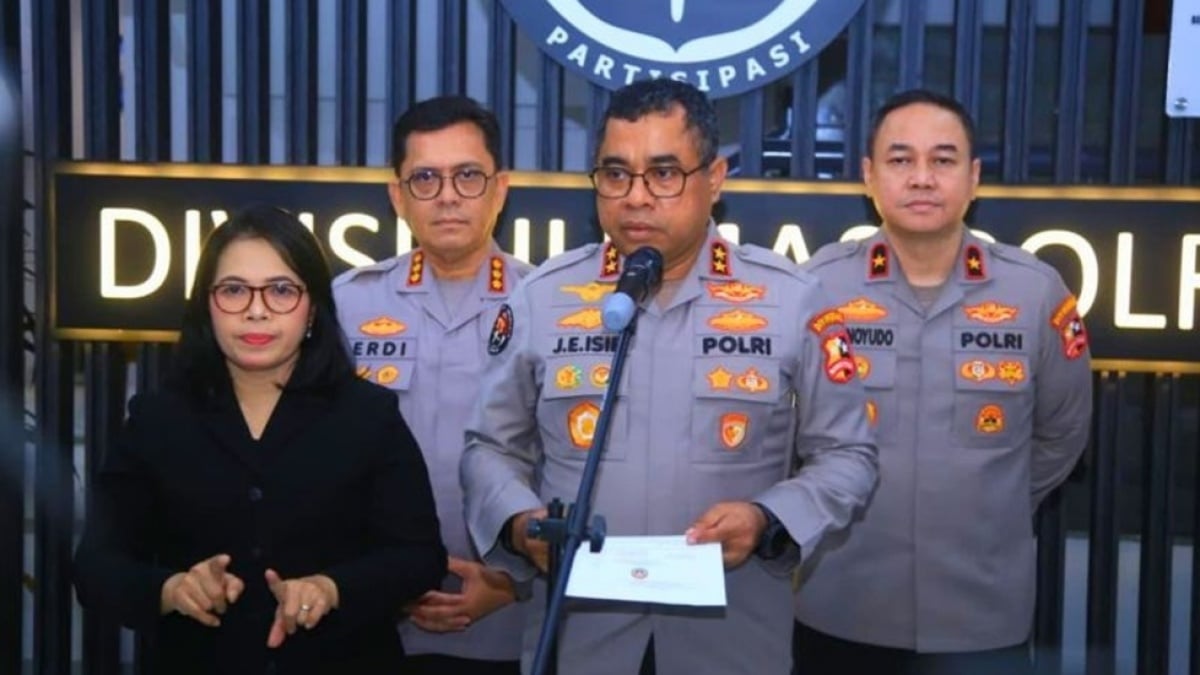
The scope of the alleged misconduct spans a significant period, with investigators stating the unauthorized surveillance took place between 2025 and 2026. Criminal Investigation Agency Chief Asep Safrudin detailed the mechanics of the alleged crime, noting that the suspects reportedly ordered specific telephone numbers to be entered into the Lawful Interception Management System (LIMS). While LIMS is a legitimate platform for authorized interceptions, the suspects allegedly bypassed the verification process, entering numbers without the necessary investigative documentation.
The legal consequences facing these individuals are severe. Based on the reports from ANTARA News, the suspects face a combination of charges under the Criminal Code and the Electronic Information and Transactions (ITE) Law. These include:
- Unlawful Interception: Illegally listening to, recording, or redirecting nonpublic electronic communications, which carries a maximum prison sentence of 10 years.
- Unauthorized Access: Intentionally accessing computer systems or electronic devices without permission, carrying a maximum sentence of six years.
- Destruction of Information: The unauthorized alteration, deletion, or concealment of electronic documents, which carries a maximum sentence of eight years.
The three suspects are currently being held at the National Police headquarters in South Jakarta.
Attempts to Erase the Digital Paper Trail
The investigation has moved beyond the act of wiretapping itself to include allegations of a coordinated cover-up. Investigators believe the suspects attempted to scrub the digital evidence of their activities. The Jakarta Globe reported that one suspect allegedly ordered the deletion of intercepted communication files from a computer in September 2026. Furthermore, ANTARA News stated that suspects allegedly deleted system logs in October 2026 to erase the official records of the interceptions.

The case only came to light because of internal whistleblowing. Asep Safrudin noted that an officer who became aware of the misconduct reported it to the police on October 30, 2026, which provided the necessary foundation for the current probe. As part of the ongoing investigation, police have seized 11 mobile phones, an iPad, and four USB flash drives. A fourth individual, identified by the initials SU, is currently being questioned as a witness.
Confusion and Contradictions in the Police Ranks
As the news broke, a wave of conflicting reports emerged regarding the extent of the arrests. While the official focus remains on the three named suspects, rumors circulated widely on social media regarding the detention of other high-ranking officials. BaliNews.id reported that there were widespread claims that several police generals had been taken into custody by the Police Professional and Security Division (Propam) and moved to the Mobile Brigade (Mako Brimob) Headquarters in Depok.

These reports included claims of a four-star general, identified only by the initial “L,” being taken in for questioning. However, the veracity of these specific arrests remains unconfirmed. National Police Public Relations Division Chief Inspector General Johnny Eddizon Isir confirmed that a press briefing would be held to address the developments, but he did not disclose the specific subject matter or confirm if any other generals were being detained, as reported by BaliNews.id.
Adding to the complexity, the Attorney General’s Office has distanced itself from some of the more sensational rumors. Anang Supriatna, Head of the Legal Information Center of the Attorney General’s Office, denied reports that his institution was involved in the arrest of a police general, according to reports from Aktualita.co. This leaves a significant gap between the official charges and the rumors circulating within the Indonesian capital.
The stakes for the Indonesian public and the international community are high. When the mechanisms designed to protect the state are allegedly turned inward to monitor its own leadership and civil society, it creates a crisis of institutional trust. The investigation must now determine not just who conducted the surveillance, but why the most senior figures in the National Police felt empowered to bypass the law.
Related reading

AP Municipal Elections: Jagan Demands Repoll Amid Allegations of Rigging and Violence
Jagan Mohan Reddy demands repoll in Pulivendula following election violence YSR Congress Party (YSRCP) chief Y.S. Jagan Mohan...

Surgery vs SABR for Early-Stage Lung Cancer Survival Outcomes
Surgery remains the most effective treatment for improving survival rates in patients with early-stage non-small cell lung cancer...

Tipperary Grandmother Murder Trial: Prosecution Claims Victim Caught Her Killer
A final struggle in Nenagh An 89-year-old woman fighting for her life in her own bedroom managed to...

AKI Timing Influences Prognostic Assessment in VA-ECMO Patients
Patients who develop acute kidney injury (AKI) before undergoing veno-arterial extracorporeal membrane oxygenation (VA-ECMO) show an unadjusted intensive...