Former Utah state legislator and prominent business figure Dixie L. Leavitt died on Tuesday at the age of 97.
His passing marks the end of a long career that bridged the worlds of public service and private enterprise in southern Utah.
Utah Senate President-elect Evan Vickers confirmed the news, issuing a statement reflecting on Leavitt’s influence in the region. “I was saddened to learn of the passing of my friend, Senator Dixie Leavitt,” Vickers said. “Dixie cared deeply about Cedar City, southern Utah and the people he served. He was a giant in southern Utah and across our state, and his legacy of service will be felt for generations.”
Leavitt’s legislative career spanned several decades. According to reporting from Gephardt Daily, the Republican served in the Utah House of Representatives during the 1963 and 1964 sessions. He later moved to the Utah Senate, where he held office from 1965 to 1976 and returned for a final stint from 1989 to 1992.

Beyond his work at the Utah State Capitol, Leavitt was a fixture of the Cedar City business community. Alongside his wife, Anne, he founded the Leavitt Group, which grew into a national, privately held insurance brokerage based in the city. The couple had six sons, including former Utah Governor Mike Leavitt.
His connection to the area began long before his legislative career. As detailed by KSL, Leavitt moved to Cedar City from his hometown of Bunkerville, Nevada, in 1947.
He arrived on a football scholarship to attend what was then known as Branch Agricultural College, now Southern Utah University. During his time there, he became the school’s first four-year letterman in football and track and served as student body president during his senior year.
Southern Utah University noted on social media that Leavitt played a central role in the development of the campus infrastructure, specifically the construction of the Centrum Arena, currently known as the America First Event Center. “His fingerprints are all over Thunderbirds athletics, and his support never wavered,” the university said.
For those watching the intersection of local industry and governance, Leavitt’s life represents a specific era of Utah politics where legislative service was deeply entwined with regional economic development. His ability to maintain a private brokerage while working through the state’s political scene provided a template for the business-oriented leadership that has often characterized the region’s approach to state policy.
Vickers emphasized that Leavitt’s impact was defined more by his character than his specific legislative achievements. “Those who knew him will remember the relationships he built and the example he set as much as anything he accomplished,” Vickers said. “Dixie understood that public service is about people. He took that responsibility seriously, and his influence will be felt for years to come.”
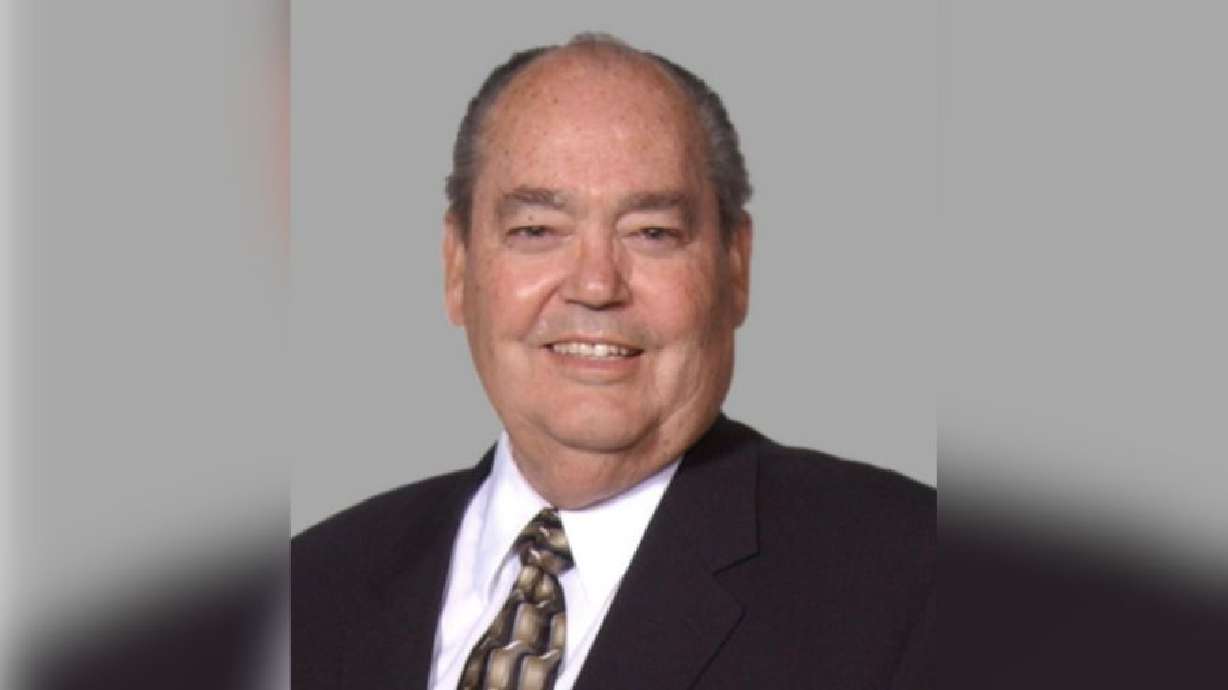
The loss is felt keenly in Cedar City, where the Leavitt family name remains synonymous with the town’s modern economic growth. As the state looks toward the upcoming legislative session under the leadership of the President-elect, the passing of a figure who served in both the House and Senate represents a closing chapter for a generation of Utah lawmakers who helped define the state’s post-war trajectory.
Vickers concluded his statement with a message of support for the family. “My thoughts and prayers are with the Leavitt family during this difficult time. I hope they find comfort in knowing how many lives he touched and how much his service meant to Utah. We will miss Dixie,” Vickers said.
Keep reading

Bridgestone Seeks Lead Technician in Cheyenne; Platforms Report Differing Pay Ranges
Bridgestone Retail Operations is currently seeking a Lead Technician for its Cheyenne location, offering a $2,000 sign-on bonus...
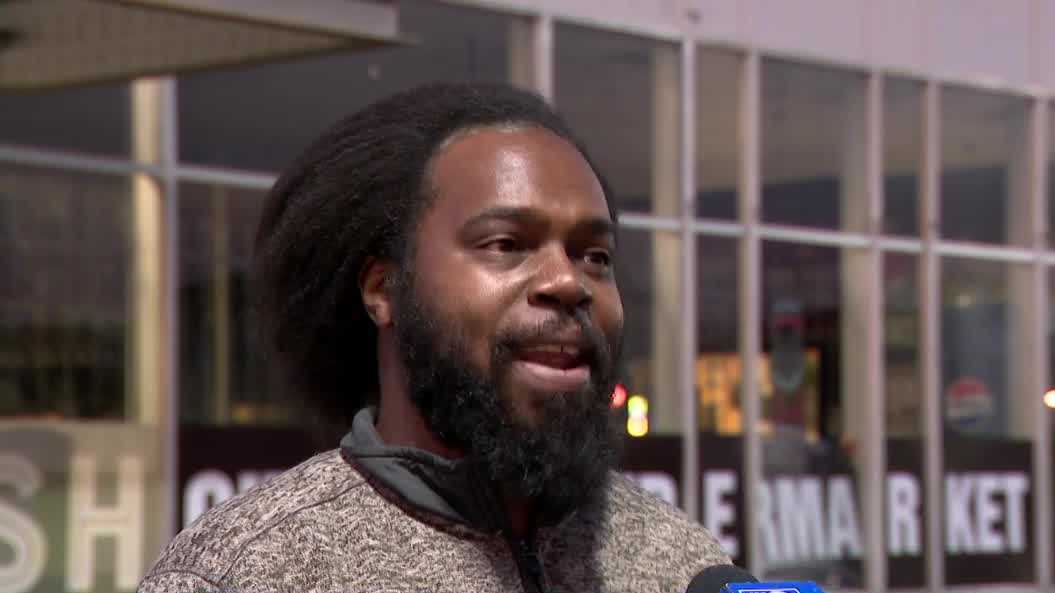
Milwaukee North Side Waits 11 Months for Promised Grocery Store That Never Opened
Residents near 64th and Silver Spring Drive are still waiting for a storefront to open that was promised...

United Airlines Charleston Office: FAQ on Location, Flights, and Lost Luggage
Travelers flying through Charleston International Airport often find themselves managing various airline procedures that require a clear understanding...

CBU Falls 83-54 to Seattle, Drops to 1-4 Before Road Trip
The California Baptist University men’s basketball team faced a difficult reality on Tuesday night, closing out their three-game...