
Prime Minister Anthony Albanese arrived in Shenzhen on Tuesday afternoon ahead of the Asia-Pacific Economic Cooperation summit, where he reiterated Australia’s opposition to Russia’s invasion of Ukraine.
The annual gathering of economies from across the Asia Pacific is taking place while a trilateral summit involving Russian President Vladimir Putin, US President Donald Trump, and China President Xi Jinping is planned in China. Ukrainian President Volodymyr Zelenskyy has warned against world powers deciding his country’s future without Kyiv at the table, comparing the meeting to the 1945 Yalta conference.
Albanese defended international dialogue while stating that any peace settlement must proceed on Ukrainian terms. “This is a big power intervening in an illegal way to try and assert its will and underestimate the will and courage and conviction of the Ukrainian people to fight for their national sovereignty,” Albanese said.
The Australian leader indicated he would likely appear alongside Putin in the traditional APEC group photo out of respect for China as the summit host. That position contrasts with recent pushback from Western delegations, following an October G20 meeting where Australia and Canada avoided a group photo featuring Russian Foreign Minister Sergey Lavrov.
Ukrainian-Australian groups expressed sharp criticism over the approach. Kateryna Argyrou, chair of the Australian Federation of Ukrainian Organisations, said that appearing alongside Russian officials sends an appalling message. “You cannot condemn Russia’s war crimes in one room and normalise its representative in another without raising serious questions about consistency,” Argyrou said.
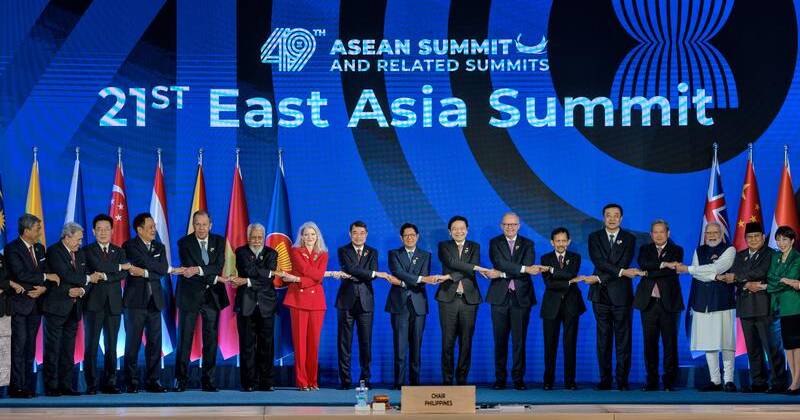
Albanese rejected comparisons to former prime minister Tony Abbott’s 2014 promise to “shirt front” Putin at the G20. Instead, the prime minister maintained that any encounters would include direct condemnation of the conflict.
Beyond the geopolitical friction over Ukraine, Albanese is scheduled to sit down with Xi Jinping on Friday morning. Discussions are expected to cover agricultural export tariffs and the contested lease of the Port of Darwin. Albanese said that while the government’s election commitment to return the port to Australian hands remains unchanged, no timeline is guaranteed due to international legal processes.
Related reading

Aid Denials to Children in War Zones Surge Sixteen-Fold in a Decade, Save the Children Analysis Shows
Deliberate denials of humanitarian aid to children in war zones have surged sixteen-fold in a decade, climbing from...

Putin Says EU Losing Industrial Capacity at APEC CEO Summit Ahead of Trilateral With Xi, Trump
"The EU is now losing its industrial capacity and it's losing in the competition," Russian President Vladimir Putin...
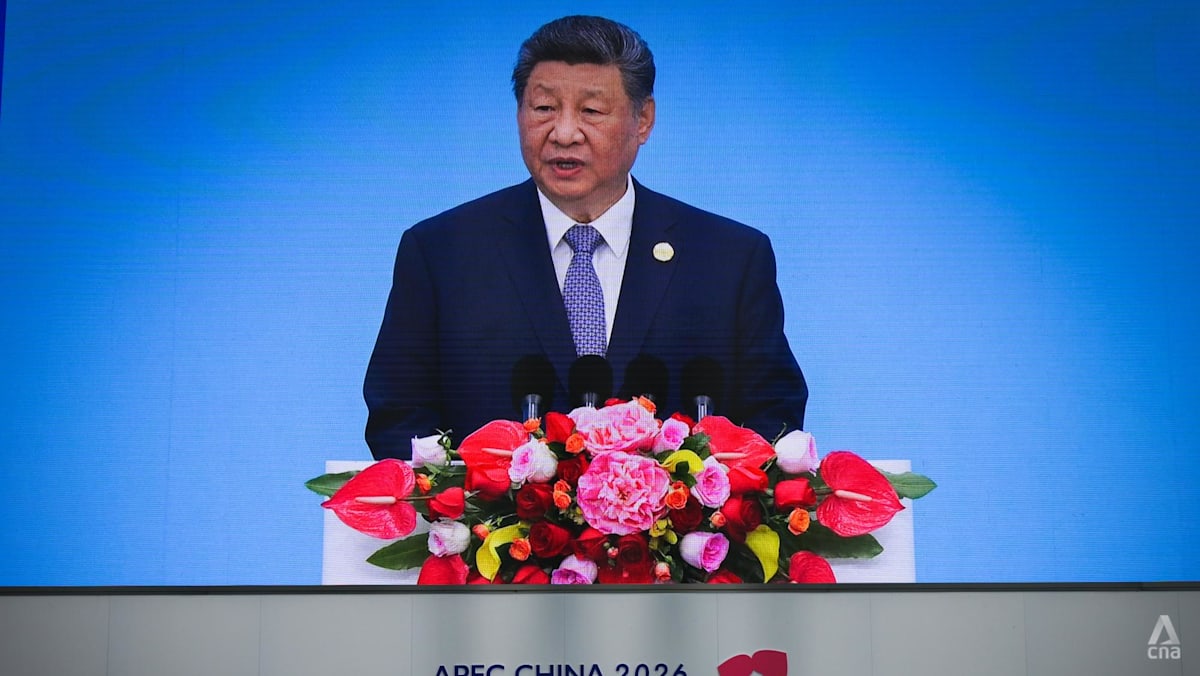
Xi Opens APEC CEO Summit, Urges Removal of Trade Barriers
Xi Jinping opened the APEC CEO Summit in Shenzhen on Wednesday with a call to dismantle trade barriers,...
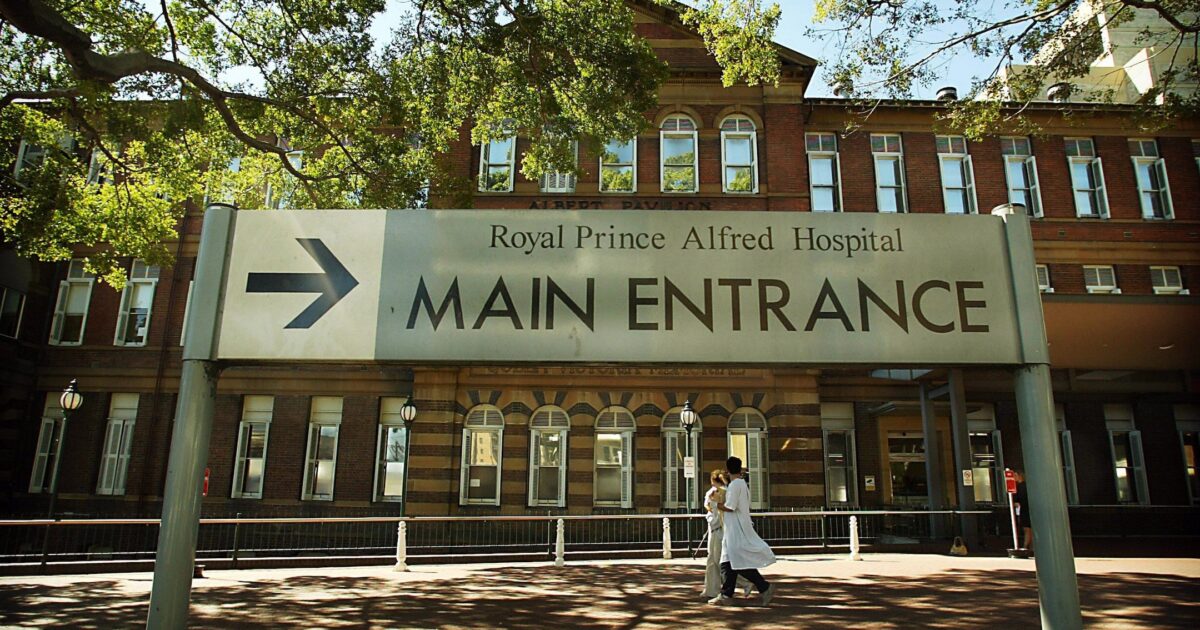
Sydney Doctor Leaves Hospital Role After Antisemitism Investigation
Jennifer Martinez has departed as head of sexual assault services at Royal Prince Alfred Hospital, ending a 15-month...