A four-man canoe team paddled the Mississippi River from Lake Itasca to the Gulf of Mexico in 16 days, 20 hours and 16 minutes in May 2023, setting a Guinness World Record. The team beat the previous mark by 23 hours and 30 minutes with rotating shifts and a 20-person support crew.
The Mississippi River stretches roughly 2,300 to 2,350 miles from its headwaters in Minnesota to the Gulf. A drop of water takes about 90 days to make the trip at 1.09 miles per hour, while most recreational paddlers need three to four months.
How the river changes along the route
The Mississippi acts as three different rivers. Paddlers average 23 miles a day through the narrow, weedy headwaters to Lake Winnibigoshish. Speed rises to 43 miles a day from St. Louis to the Gulf, where the current does much of the work and no locks interrupt the flow. The overall average for a typical solo kayaker comes to about 34 miles a day.
What locks mean for the middle river
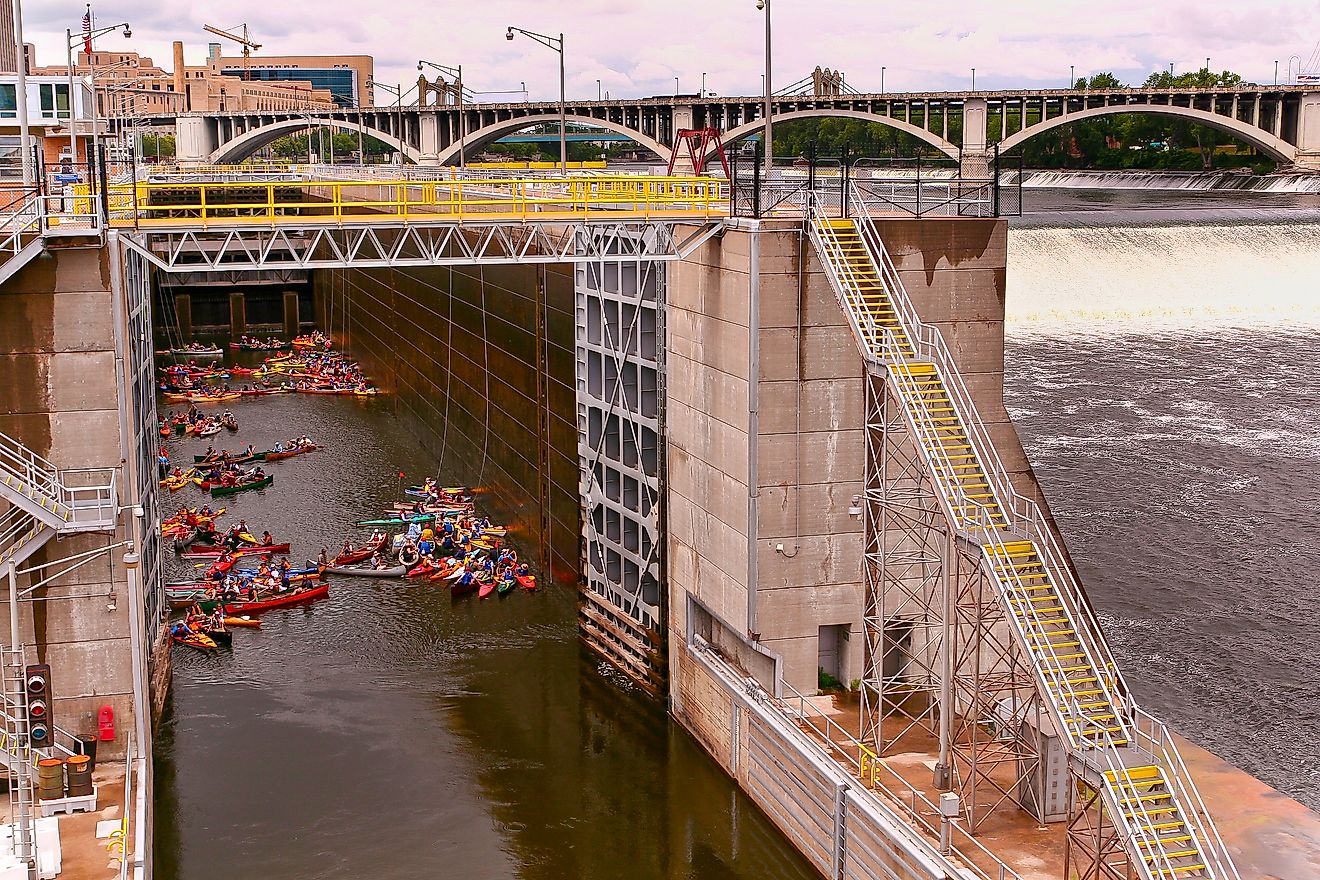
Between Minneapolis and St. Louis, paddlers pass 29 locks and dams. Each one requires approaching a chamber, waiting for a lockage and sharing space with commercial tows. Below St. Louis there are none, which is why daily mileage nearly doubles once the last lock is cleared.
Why the first 482 miles exclude motors
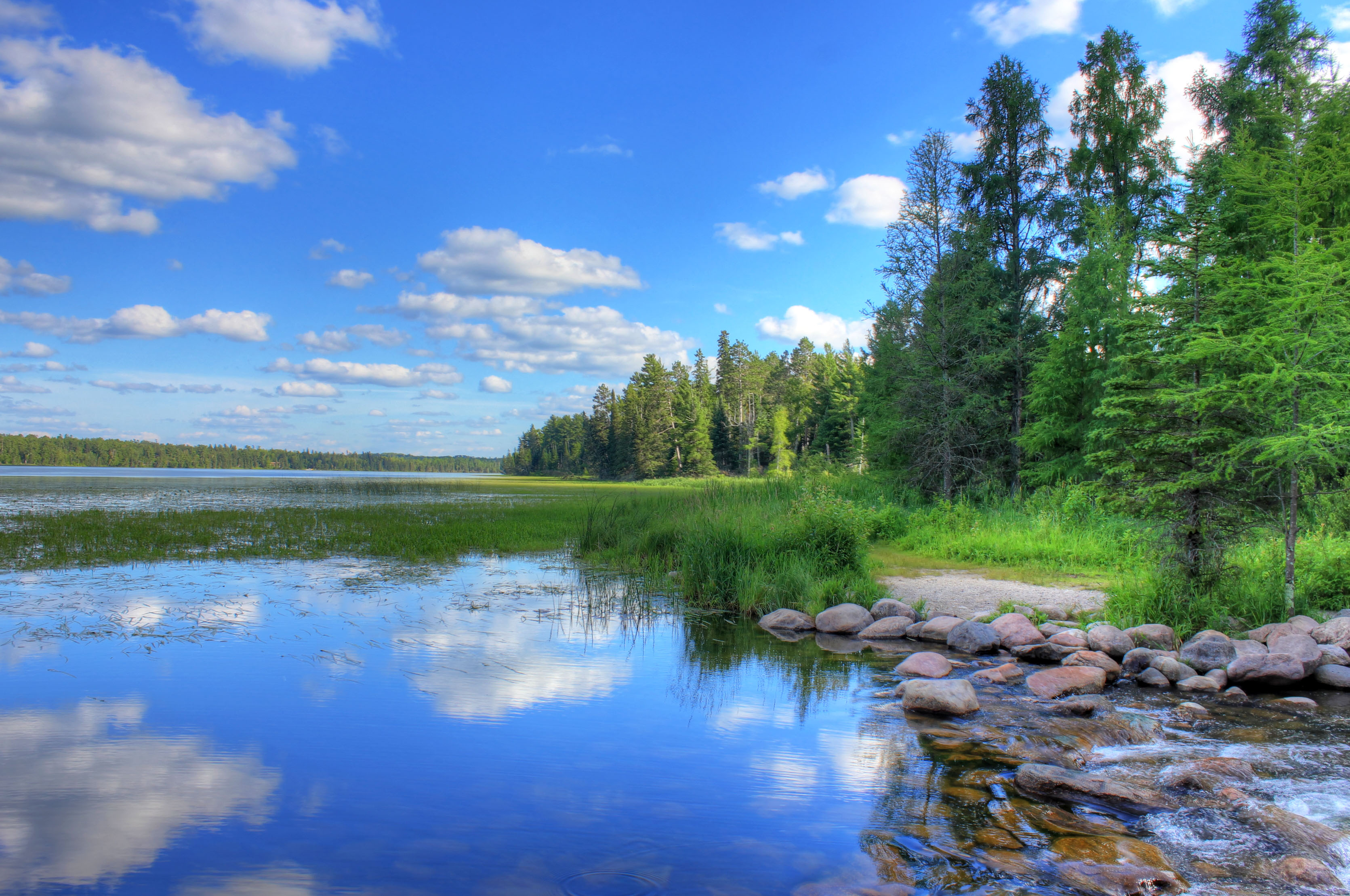
The stretch is too shallow and narrow for anything else, giving paddlers several hundred miles essentially to themselves before commercial traffic becomes a factor.
The solo record fell this year
Ilia Smirnov set a new solo benchmark in 2024, covering the river in 34 days. He left Lake Itasca on May 1 and reached Mile Zero on June 3, paddling 15 hours a day and sleeping four to five hours a night.
How the record has dropped over eight decades
Joe Tagg, Gerald Capers and Charles Saunders set the first recognized mark in 1937 at 56 days. A British Royal Air Force team cut it to 42 days in 1978. Bob Bradford and Clark Eid reached 18 days, 4 hours, 51 minutes in 2003. The 2021 team MMZero logged 17 days, 19 hours, 46 minutes before the 2023 team took it under 17 days.
What the team said about the mission
“Our goal is to set a new record, but our mission is to raise awareness of the need to protect and restore the Mississippi River Basin,” said Scott Miller, Mississippi Speed Record team captain, in a statement to the Mississippi River Network.
“The river is our lifeline; it is a source of drinking water for 18 million people and provides critical habitat to numerous species of plants, birds, fish and other wildlife,” said Kelly McGinnis, Mississippi River Network Executive Director, in the same release.
Why the launch date is constrained
The 2023 team delayed their planned May 7 launch waiting for ice-out on Lake Winnibigoshish. They departed May 10, hoping the ice would break up by the time they reached it 33 hours later. Start too early and the upper lakes are frozen; start too late and paddlers face hurricane season on the lower river.
The route decision at the bottom
Roughly one third of the Mississippi’s water diverts into the Atchafalaya River, which reaches the Gulf about 100 miles west. Some paddlers take that route to avoid the heaviest shipping on the continent, though it means finishing somewhere other than the Mississippi’s mouth.
The Mississippi River acts as three distinct rivers over its 2,340-mile course from Lake Itasca. Paddlers average 23 miles a day through the 493-mile Upper Mississippi headwaters to Saint Anthony Falls in Minneapolis, where the channel is narrow and weedy and motors are excluded.
Speed rises sharply on the 664-mile navigable channel between Minneapolis and St. Louis, Missouri, formed by 29 human-made lakes, locks and dams that require waiting for lockage and sharing chambers with commercial tows.
Below the confluence with the Missouri River at St. Louis, the Middle and Lower Mississippi run open-channel to the Gulf with no locks, letting the current do most of the work.
Where the danger concentrates
Current reaches about 3 miles per hour at New Orleans against 1.2 at the headwaters. The final stretch carries ocean-going ships and opens into the Gulf. A storm near the Gulf ended Miller’s 2021 attempt outright when he lost his canoe.
Related reading
- Vermont Writer Jackson Ellis to Host Book Signing at The Book Nook
- Hayes Throws 4 TDs as NDSU Holds Off NIU 31-25 in Harvest Bowl
- Credit Card Debt Hits Record $1.29 Trillion but Trails 2008 After Inflation (daybreakwire.com)
- England inflict misery on New Zealand with record win over All Blacks (newsarchyuk.com)
Vermont Writer Jackson Ellis to Host Book Signing at The Book Nook
Vermont writer Jackson Ellis will sign copies of “Lords of St. Thomas” and “Black Days” on Saturday, Nov....

Hayes Throws 4 TDs as NDSU Holds Off NIU 31-25 in Harvest Bowl
North Dakota State finished 6-2 in Mountain West play after a 31-25 Harvest Bowl win over Northern Illinois...

Clinic Column: I-69 Best Route for Indianapolis-Elkhart Drive
In a column for Associated Clinic of Psychology, the author argues that the 110-mile drive from Indianapolis to...

Oregon’s Lone Path to Missing Big Ten Title Game With a Win Over Washington
Oregon (8-3, 6-2 Big Ten) needs a win over Washington on Saturday to all but lock up a...