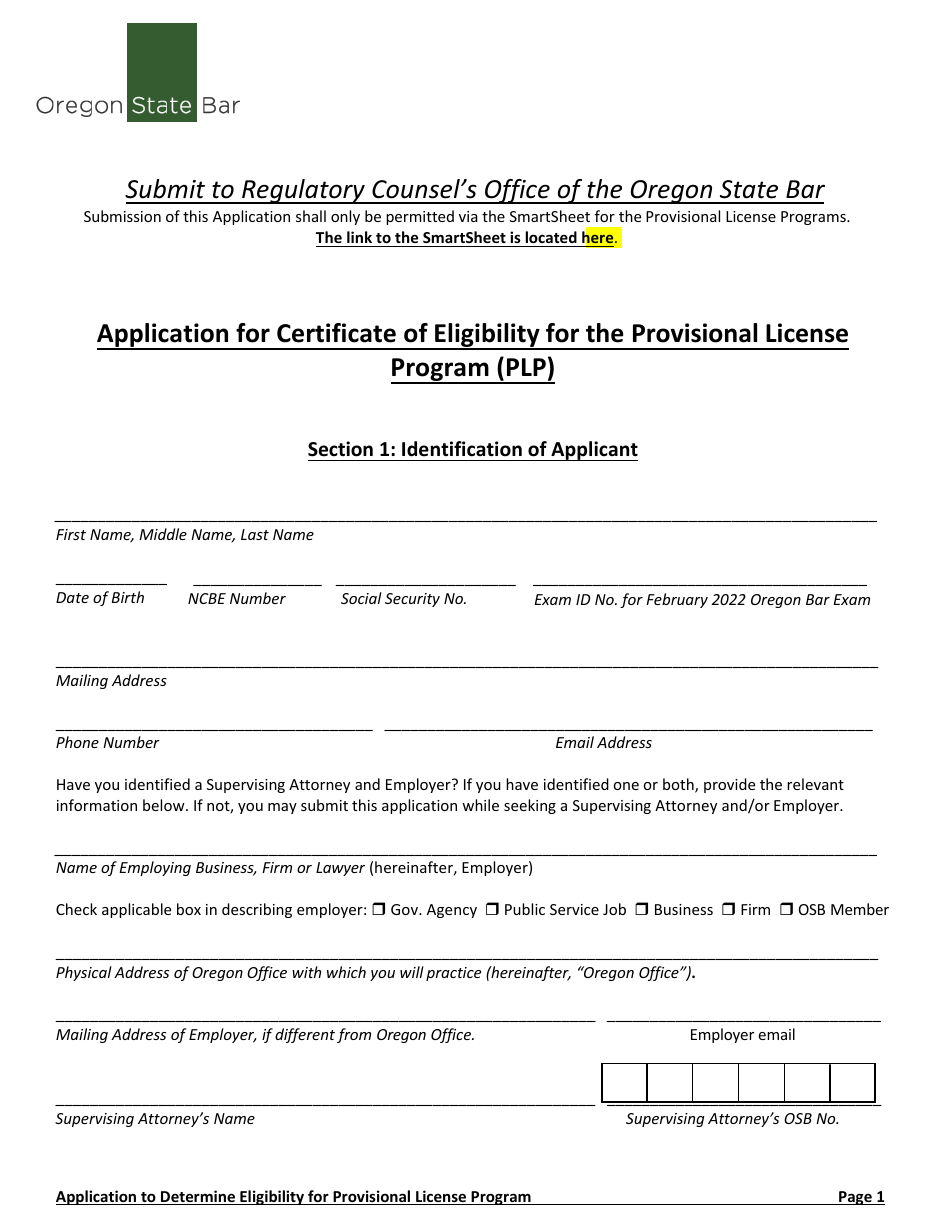
Oregon’s four health licensing boards adopted rules on October 1 that create a provisional license for internationally trained physicians, a pathway that takes effect January 1, 2027.
The Oregon Medical Board, the Oregon State Board of Nursing, the Oregon Board of Pharmacy, and the Oregon Board of Dentistry issued the joint framework to address workforce shortages by allowing qualified doctors educated abroad to practice under supervision. The application portal opens January 4, 2027.
Applicants must hold a medical degree and training substantially similar to U.S. standards, ECFMG certification with passing scores on USMLE Step 1 and Step 2 CK, and at least three years of practice abroad.
They also need good standing in every jurisdiction where they trained or practiced, a passing score on the Board’s Medical Jurisprudence Exam, a written job offer from an Oregon facility, and an Oregon-licensed physician willing to provide supervision and assessment.
The provisional license authorizes four years of supervised practice before the physician may become eligible to apply for a full license. The Board does not maintain a list of prospective employers; applicants must identify their own employment opportunities. Staff anticipate the review process will be onerous.
In a parallel move, the Oregon Health Authority issued a standing order aligning with the West Coast Health Alliance — Washington, California, and Hawaii — that allows vaccine providers statewide to administer updated COVID-19 vaccines.
The order recommends vaccination for children under two, adults 65 and older, people with underlying medical conditions, pregnant individuals, previously unvaccinated children, those in congregate settings, and health care workers, while making vaccines available to all who choose them.
Registration is also open for Winter 2027 ECHO Network programs starting in January, covering childhood obesity, mental health and substance use disorders, advancing dementia care, and autism and ADHD in adults. Continuing education credits are available at no cost to participants or their workplaces.
Worth a look

NYC Braces for Storm Disrupting Thanksgiving Travel: 1-3 Inches of Rain, Gusty Winds Expected Sunday Evening
New York City Emergency Management issued a weather alert Thursday for a storm expected Sunday into Monday, as...

Ophir Elementary ASL Interpreter Competes for Miss Rodeo America Crown
Bentley McCullough left Ophir Elementary on Monday to a gymnasium shaking with handmade posters and students wearing "We...

Disney+ Adds ‘Tim Richmond: To the Limit’ Documentary Chronicling NASCAR Star’s Rise and AIDS Battle
Disney+ has added Tim Richmond: To the Limit to its catalog, giving the streaming service’s subscribers immediate access...

EIU Panthers at No. 10 Illinois: 23.5-Point Underdogs, 9 p.m. ET on Big Ten Network
The Eastern Illinois Panthers walk into State Farm Center on Friday night as 23.5-point underdogs against a No....